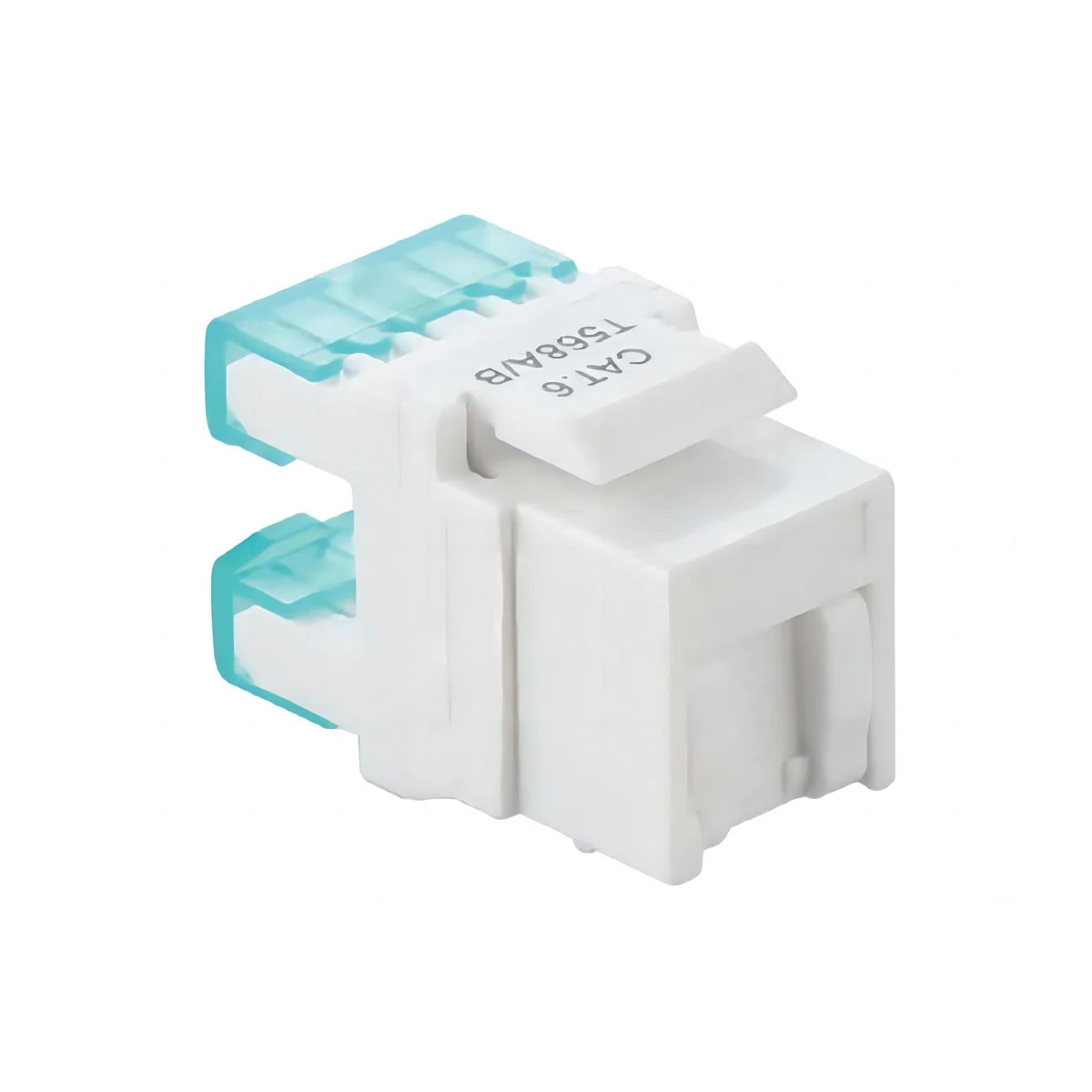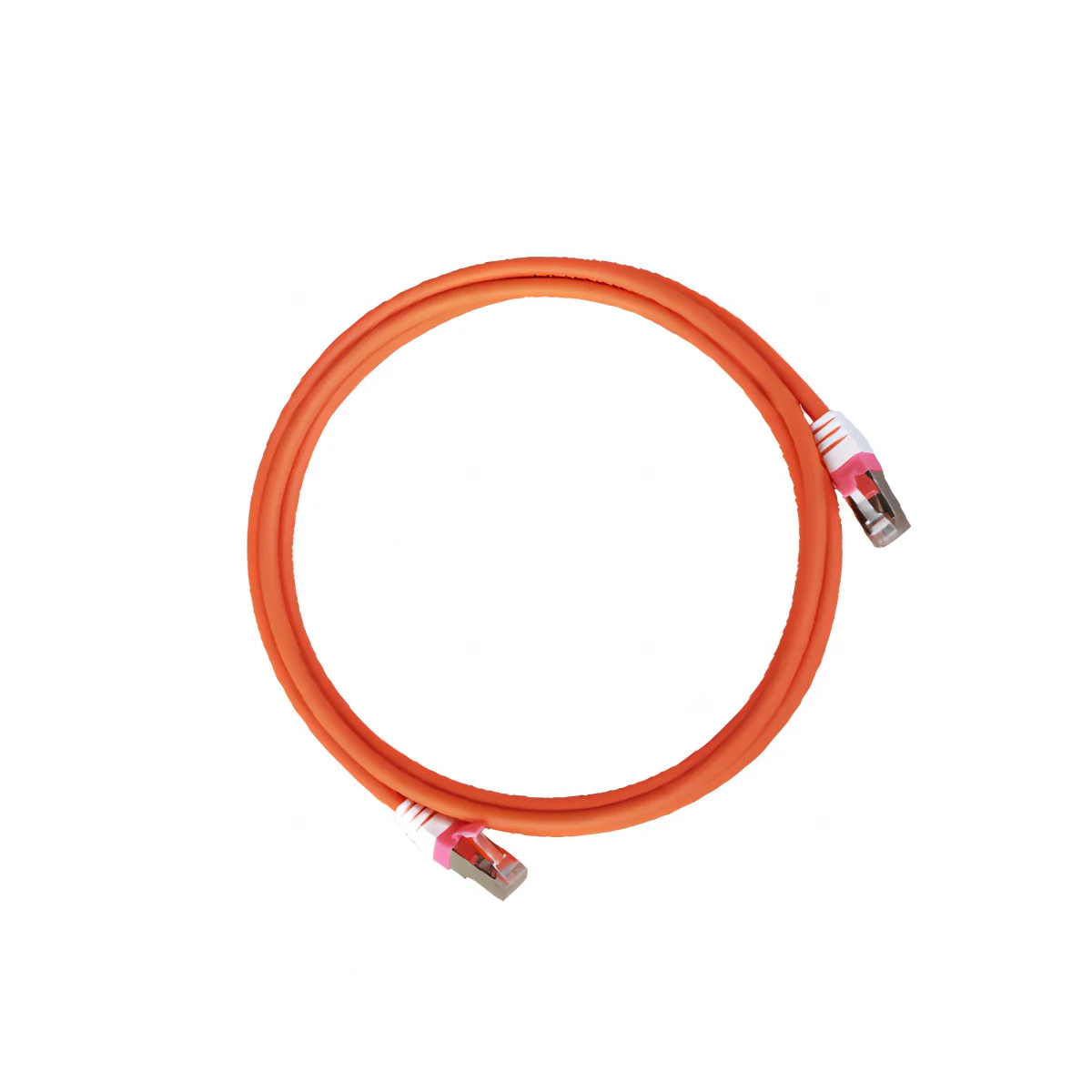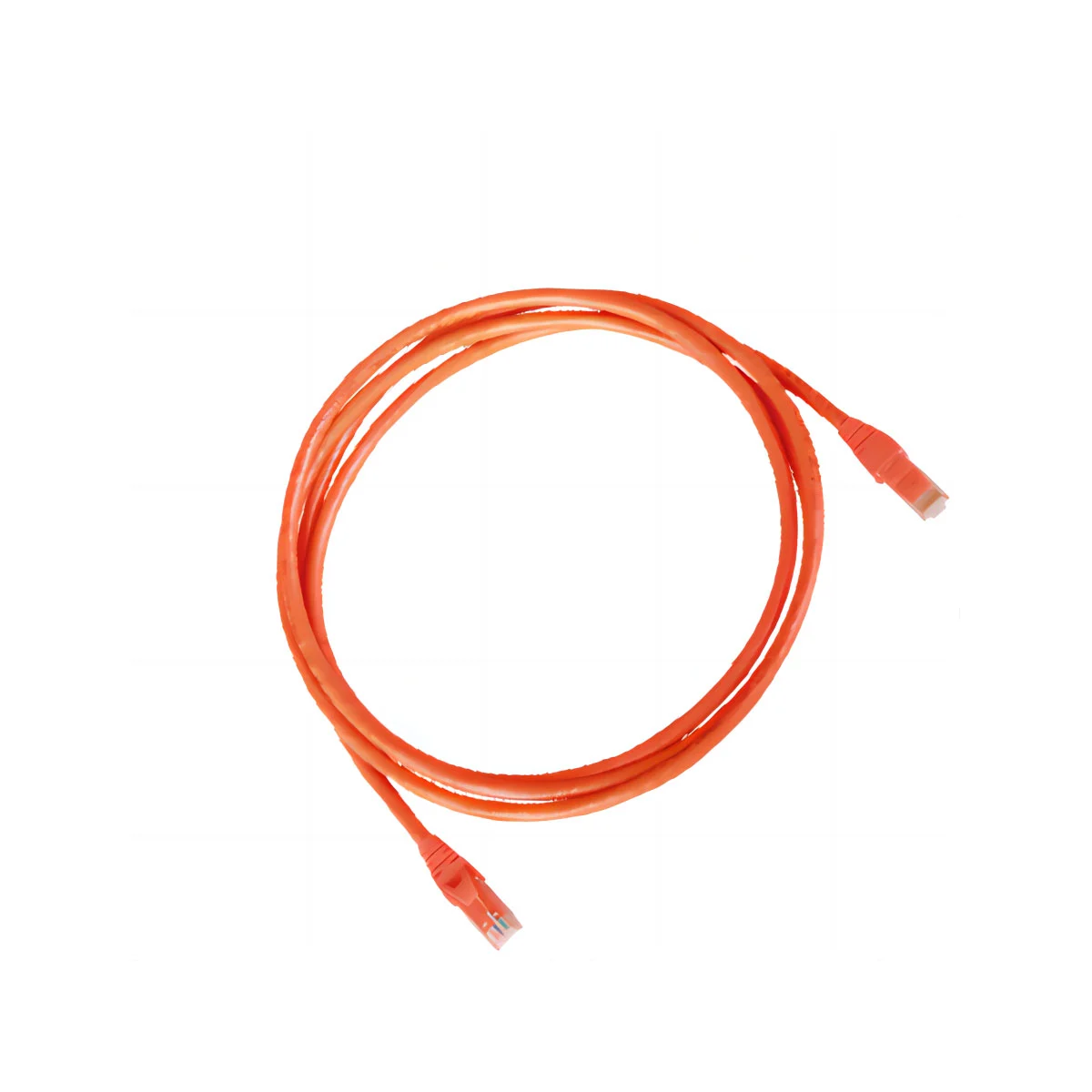
An FTP jack (Foiled Twisted Pair keystone jack) is a shielded Ethernet connector designed to terminate FTP network cables while reducing electromagnetic interference (EMI) and crosstalk in structured cabling systems. It is commonly used in high-performance environments such as data centers, industrial networks, and commercial buildings where stable, noise-resistant signal transmission is required. In simple terms, an FTP keystone jack ensures that shielded cabling systems maintain full shielding continuity from cable to termination point.
An FTP jack is a type of shielded keystone jack designed for FTP (Foiled Twisted Pair) Ethernet cables. Unlike UTP jacks, FTP keystone jacks include a metal shielding layer that connects with the cable’s foil shield to form a continuous grounding path.
This structure helps:
Reduce electromagnetic interference (EMI). Improve signal integrity in high-speed networks. Support Cat5e, Cat6, Cat6A shielded systems. Maintain grounding continuity in structured cabling. FTP keystone jacks are typically used with shielded patch panels and shielded wall outlets in structured cabling systems.
FTP and UTP keystone jacks may look similar, but their performance and construction are significantly different.
Feature | FTP Keystone Jack | UTP Keystone Jack |
Shielding | Metal shield included | No shielding |
EMI resistance | High | Low |
Grounding support | Required | Not required |
Use environment | Industrial, data centers | Office, home |
Cost | Higher | Lower |
Performance stability | Excellent in noisy environments | Standard |
FTP keystone jacks are essential when cables run near power lines, machinery, or dense networking equipment.
Choosing FTP keystone jacks depends on your network environment and performance requirements.
You should use FTP jacks when:
Installing Cat6A or shielded structured cabling systems. Building data centers or server rooms. Running cables near electrical interference sources. Designing industrial automation networks. Requiring IEEE high-speed transmission stability
If your system uses shielded cabling, FTP keystone jacks are not optional—they are part of the grounding design.
When sourcing keystone FTP jacks for B2B projects, evaluate the following:
1. Shielding Performance. Full 360° metal shielding preferred. Ensure contact between cable foil and jack housing.
2. Category Rating. Cat5e FTP jack (basic shielding). Cat6 FTP jack (standard gigabit networks). Cat6A FTP jack (10G+ environments).
3. Termination Type. Tool-less IDC (faster installation). 110 punch-down (more stable for enterprise).
4. Compatibility. Must match FTP cables and shielded patch panels. Works with standardized wall plates. Internal link recommendation:
5. Grounding Design. Ensure compatibility with grounding system. Avoid floating shield designs.
A typical FTP structured cabling system includes:
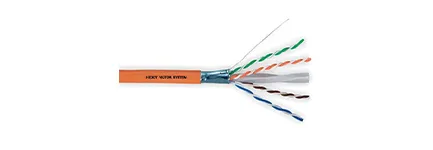
FTP network cable (shielded). FTP keystone jack (termination point). Shielded patch panel. Grounding system. Wall plate or outlet module
This end-to-end shielding design ensures maximum EMI protection and signal stability.
Q1: What does FTP mean in FTP jack?
FTP stands for Foiled Twisted Pair, meaning the cable has a foil shielding layer that reduces electromagnetic interference.
Q2: Is FTP jack better than UTP jack?
FTP jacks are better in environments with high EMI. UTP jacks are sufficient for standard office or home use.
Q3: Can FTP jack work with UTP cable?
Technically yes, but it is not recommended because grounding continuity will not be effective.
Q4: Do FTP keystone jacks need grounding?
Yes. FTP systems require proper grounding through patch panels and cabling infrastructure.
Q5: What keystone jack should I use for Cat6A FTP cable?
A Cat6A shielded FTP keystone jack with full metal shielding and proper grounding support is recommended.
Q6: Where are FTP keystone jacks commonly used?
They are widely used in data centers, industrial networks, smart buildings, and high-speed enterprise LAN systems.
To build a complete FTP network system, FTP keystone jacks are typically paired with: Shielded patch panels for centralized termination. Wall plates for workstation connectivity. FTP Ethernet cables for signal transmission.
FTP keystone jacks are critical components in shielded structured cabling systems, ensuring EMI protection, stable transmission, and long-term network reliability. Choosing the right FTP jack depends on cable category, shielding design, and grounding compatibility.
For enterprise deployments, selecting certified shielded keystone jacks ensures consistent performance across the entire network infrastructure.
Request technical specifications, bulk quotation, or OEM customization support today to build a reliable shielded cabling system for your project.
 Call us on:
  Email Us:
  No.10 Xumutang Road, Lishui Economic Development Zone, Nanjing, China
 EN
EN
 fr
fr  de
de  es
es  ru
ru  pt
pt  ar
ar  vi
vi  th
th  id
id