

 EN
EN
 fr
fr  de
de  es
es  ru
ru  pt
pt  ar
ar  vi
vi  th
th  id
id 
When buyers compare fiber optic standards, two IEC standard series often appear together: IEC 60793 and IEC 60794. They are closely related, but they do not focus on the same thing. In simple terms, IEC 60793 focuses more on the optical fiber itself, while IEC 60794 focuses more on the finished fiber optic cable.
This difference is important for cable buyers, contractors, telecom engineers and network project managers. A fiber may meet certain optical performance requirements, but the finished cable still needs the right sheath, strength member, water-blocking structure, armor or installation design for indoor, outdoor, duct, direct-buried or aerial applications.
For a broader overview of IEC, TIA, ISO/IEC and ITU-T references, read our full fiber optic standards guide for cable selection and network projects.
Quick Answer: IEC 60793 vs IEC 60794
The easiest way to understand the difference is this: IEC 60793 helps evaluate the optical fiber inside the cable, while IEC 60794 helps evaluate the finished fiber optic cable structure and performance.
| Item | IEC 60793 | IEC 60794 |
|---|---|---|
| Main Focus | Optical fibers | Fiber optic cables |
| What It Helps Evaluate | Fiber type, geometry, attenuation, mechanical and optical fiber performance | Cable structure, sheath, strength member, mechanical protection and environmental performance |
| Buyer Question | What kind of fiber is inside the cable? | Is the finished cable suitable for the installation environment? |
| Typical Use | Comparing single-mode, multimode or bend-insensitive fiber performance | Selecting indoor, outdoor, aerial, duct or direct-buried fiber optic cables |
| Procurement Meaning | Helps verify optical fiber performance | Helps verify complete cable reliability and project suitability |
What Is IEC 60793?
IEC 60793 is a standard series related to optical fibers. It helps define uniform requirements and test methods for measuring and evaluating optical fibers used in telecommunications and other optical communication applications.
For buyers, IEC 60793 is useful when checking the fiber inside the cable. It can help them understand whether the fiber type, optical properties and mechanical characteristics are suitable for the intended network design.
You can refer to the official IEC 60793-1-1 optical fibres standard page for more information about its role in measurement and testing guidance.
What Does IEC 60793 Usually Help Buyers Check?
Optical fiber type
Single-mode or multimode fiber category
Attenuation performance
Fiber geometry
Mechanical characteristics of optical fibers
Optical performance consistency
Suitability for long-distance, access network, FTTH or indoor routing applications
For example, if a buyer is selecting single-mode fiber for a telecom backbone, IEC 60793-related requirements can help evaluate the fiber characteristics. If the project involves tight indoor routing or FTTH installation, buyers may also need to confirm bend-insensitive fiber performance together with ITU-T recommendations such as G.657.
What Is IEC 60794?
IEC 60794 is a standard series related to optical fibre cables. It is more useful when buyers need to evaluate the finished cable rather than only the fiber inside. This includes cable construction, mechanical strength, environmental durability, sheath design and application-specific requirements.
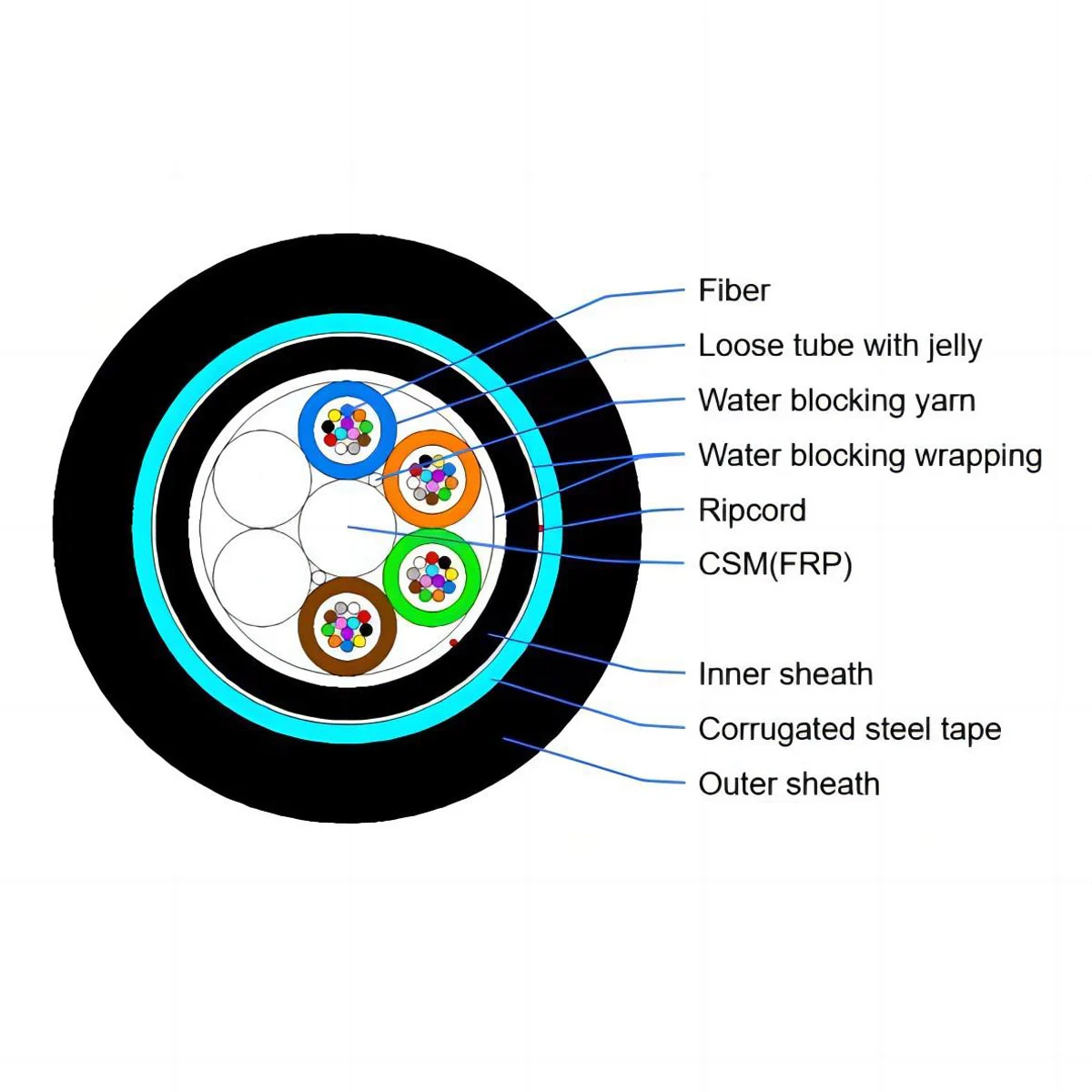
A finished fiber optic cable is not only a fiber core. It may include loose tubes, tight buffers, water-blocking materials, strength members, inner sheath, armor and outer sheath. IEC 60794 helps buyers evaluate whether these structures are suitable for the intended project environment.
For example, the official IEC Webstore describes IEC 60794-1-104 as a test procedure for impact performance of optical fibre cables, while IEC 60794-1-119 applies to aerial optical fibre cables such as ADSS, OPGW and OPPC cables exposed to aeolian vibrations. These examples show why IEC 60794 is especially relevant for finished cable performance and outdoor cable selection.
Buyers can also refer to the official IEC 60794-1-104 optical fibre cable test procedure and IEC 60794-1-119 aerial optical fibre cable test procedure pages for more details.
What Does IEC 60794 Usually Help Buyers Check?
Finished cable construction
Tensile strength
Crush resistance
Bending performance
Impact performance
Water penetration resistance
Temperature performance
Sheath material and cable protection structure
Suitability for indoor, outdoor, aerial, duct or direct-buried installation
Why the Difference Matters in Cable Procurement
Many buyers only ask for fiber count, fiber type and price. However, in real projects, two cables with the same fiber count and fiber type may perform very differently because their cable structures are not the same.
For example, two cables may both use single-mode fiber, but one may be designed for indoor building wiring, while the other may be designed for outdoor duct installation. They may differ in sheath material, water-blocking structure, tensile strength, cable diameter, bending radius and mechanical protection.
| Buyer Requirement | Which Standard Series Is More Relevant? | Why |
|---|---|---|
| Confirm optical fiber type and performance | IEC 60793 | It focuses on optical fiber characteristics and test methods. |
| Choose a cable for outdoor installation | IEC 60794 | It helps evaluate finished cable structure, mechanical performance and environmental protection. |
| Compare indoor and outdoor cable structures | IEC 60794 | The difference is mainly in cable construction, sheath, strength member and protection design. |
| Check fiber attenuation or geometry | IEC 60793 | These are optical fiber-level characteristics. |
| Evaluate duct, aerial or direct-buried cable suitability | IEC 60794 | These applications depend on finished cable mechanical and environmental performance. |
Example 1: Indoor Fiber Optic Cable Selection
For indoor network projects, buyers may need to consider fiber performance, flame-retardant requirements, jacket material, flexibility and building safety requirements. IEC 60793 can help evaluate the optical fiber inside the cable, while IEC 60794 can help evaluate the finished indoor cable structure.
Indoor cables may be used in offices, telecom rooms, equipment rooms, data centers and FTTH building routes. For these applications, buyers should pay attention to:
Fiber type and attenuation
Jacket material such as PVC or LSZH
Flame-retardant or low-smoke requirements
Bending performance
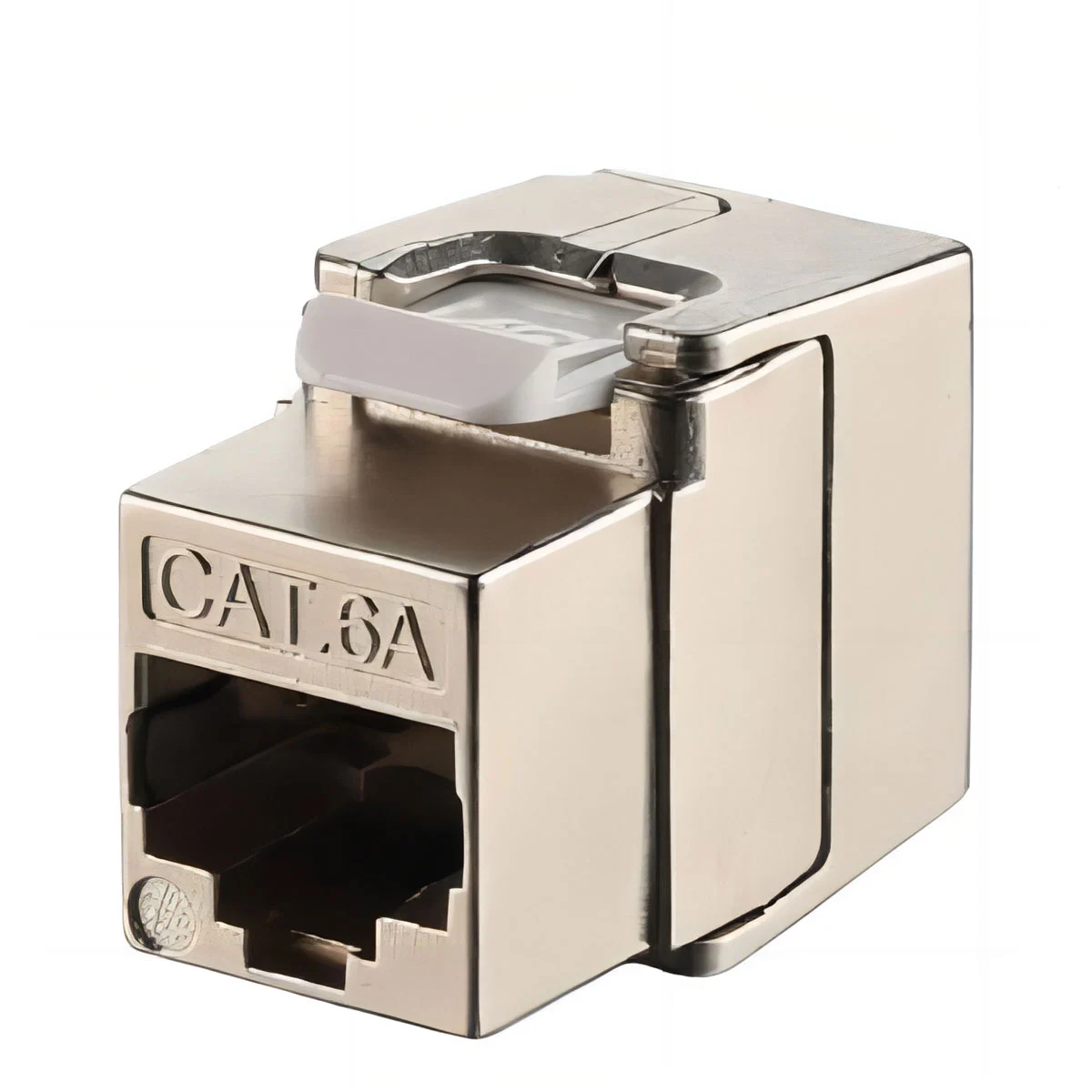
Compatibility with patch panels, connectors and cable management systems
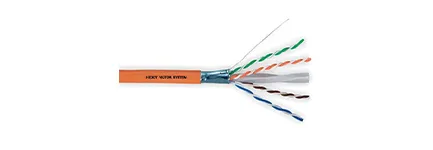
For indoor network routing and building cabling projects, buyers can review HDC indoor fiber optic cables according to project environment, routing method and safety requirements.
Example 2: Outdoor Fiber Optic Cable Selection
For outdoor cable projects, IEC 60794 becomes especially important because the finished cable structure must handle more severe environmental and mechanical conditions. Outdoor cables may be installed aerially, in ducts, directly underground or across long telecom routes.
In these cases, buyers should not only ask whether the fiber is single-mode or multimode. They should also check the cable construction, sheath, water-blocking structure, strength member and mechanical protection.
| Outdoor Application | Key Cable Structure Concern | Standard Focus | Suggested HDC Product Direction |
|---|---|---|---|
| Aerial installation | Tensile strength, span distance, wind vibration and outdoor sheath durability | IEC 60794 cable-level mechanical performance | Outdoor fiber optic cables |
| Duct installation | Pulling tension, bending radius, sheath friction and water-blocking structure | IEC 60794 cable construction and environmental testing | Outdoor duct fiber optic cables |
| Direct-buried installation | Crush resistance, water penetration, armor and reinforced sheath structure | IEC 60794 finished cable protection performance | GYFTA53 inner sheath cable |
| Indoor-outdoor transition | Outdoor durability plus indoor routing or safety requirements | IEC 60794 cable application requirements | Indoor-outdoor fiber optic cable solutions |
If you are selecting outdoor cables specifically, you can also read our IEC 60794 guide for outdoor fiber optic cables.
IEC 60793 and IEC 60794 Work Together
Although IEC 60793 and IEC 60794 focus on different levels, they should not be treated as unrelated standards. In a real cable project, both the fiber and the finished cable structure matter.
A good fiber optic cable must use suitable optical fiber inside and suitable cable construction outside. If the fiber performance is good but the cable structure is not suitable for outdoor conditions, the network may still face installation damage or long-term reliability problems. If the cable structure is strong but the fiber type does not match the transmission requirement, the project may still fail to meet performance expectations.
| Layer | What to Check | Relevant Standard Direction |
|---|---|---|
| Optical fiber | Fiber type, attenuation, geometry and optical performance | IEC 60793 |
| Cable core and protection | Loose tube, buffer, water-blocking material, strength member and sheath structure | IEC 60794 |
| Installation environment | Indoor, outdoor, aerial, duct, direct-buried or data center route | IEC 60794 plus project requirements |
| Complete cabling system | Patch panel, connector, patch cord, testing and compatibility | TIA, ISO/IEC and project specifications |
How Buyers Should Use IEC 60793 and IEC 60794 in an Inquiry
When sending an inquiry to a cable supplier, buyers should avoid asking only for a general quotation. A clearer inquiry helps the supplier recommend the correct cable type and reduces the risk of product mismatch.
| Inquiry Item | Why It Matters | Related Standard Direction |
|---|---|---|
| Fiber type | Determines transmission distance and optical performance. | IEC 60793 |
| Fiber count | Determines network capacity and cable structure. | Project specification |
| Installation environment | Indoor, outdoor, aerial, duct and direct-buried routes require different cable structures. | IEC 60794 |
| Mechanical requirements | Tensile strength, crush resistance and bending radius affect installation reliability. | IEC 60794 |
| Moisture protection | Outdoor, duct and underground cables may need water-blocking structure. | IEC 60794 |
| Jacket and sheath material | PE, PVC or LSZH materials should match outdoor exposure or indoor safety requirements. | IEC 60794 and project safety requirements |
| Accessories and testing | Connectors, patch panels and test requirements should match the complete cabling system. | TIA, ISO/IEC and project specifications |
Common Mistakes When Comparing IEC 60793 and IEC 60794
Because the two standard series are closely related, buyers sometimes confuse their roles. The following mistakes are common in fiber optic cable procurement.
| Common Mistake | Why It Is a Problem | Better Understanding |
|---|---|---|
| Thinking IEC 60793 alone is enough for cable selection | It focuses on optical fiber, not the full cable structure. | Use IEC 60794 when evaluating finished fiber optic cables. |
| Choosing outdoor cables only by fiber type | The cable may not have enough mechanical or moisture protection. | Check sheath, strength member, water-blocking and installation requirements. |
| Assuming all outdoor cables are the same | Aerial, duct and direct-buried cables face different risks. | Select cable structure according to application scenario. |
| Ignoring indoor safety requirements | Indoor routes may require flame-retardant or low-smoke materials. | Confirm jacket material and building safety requirements. |
| Not planning accessories with the cable | Patch panels, connectors and testing may not match the cable system. | Plan cable and cabling components as a complete system. |
Recommended HDC Product Directions Based on the Difference
Once buyers understand the difference between IEC 60793 and IEC 60794, they can choose fiber optic cables more accurately. The fiber standard direction helps confirm the optical fiber inside, while the cable standard direction helps confirm whether the finished cable is suitable for the installation environment.
| Project Need | What to Focus On | Recommended HDC Product Direction |
|---|---|---|
| Indoor building network | Fiber type, jacket material, bending performance and fire safety requirements | Indoor fiber optic cables |
| Outdoor telecom route | Cable construction, PE sheath, strength member, water-blocking and mechanical performance | Outdoor fiber optic cables |
| Direct-buried project | Crush resistance, armor, inner sheath, moisture protection and underground durability | GYFTA53 inner sheath cable |
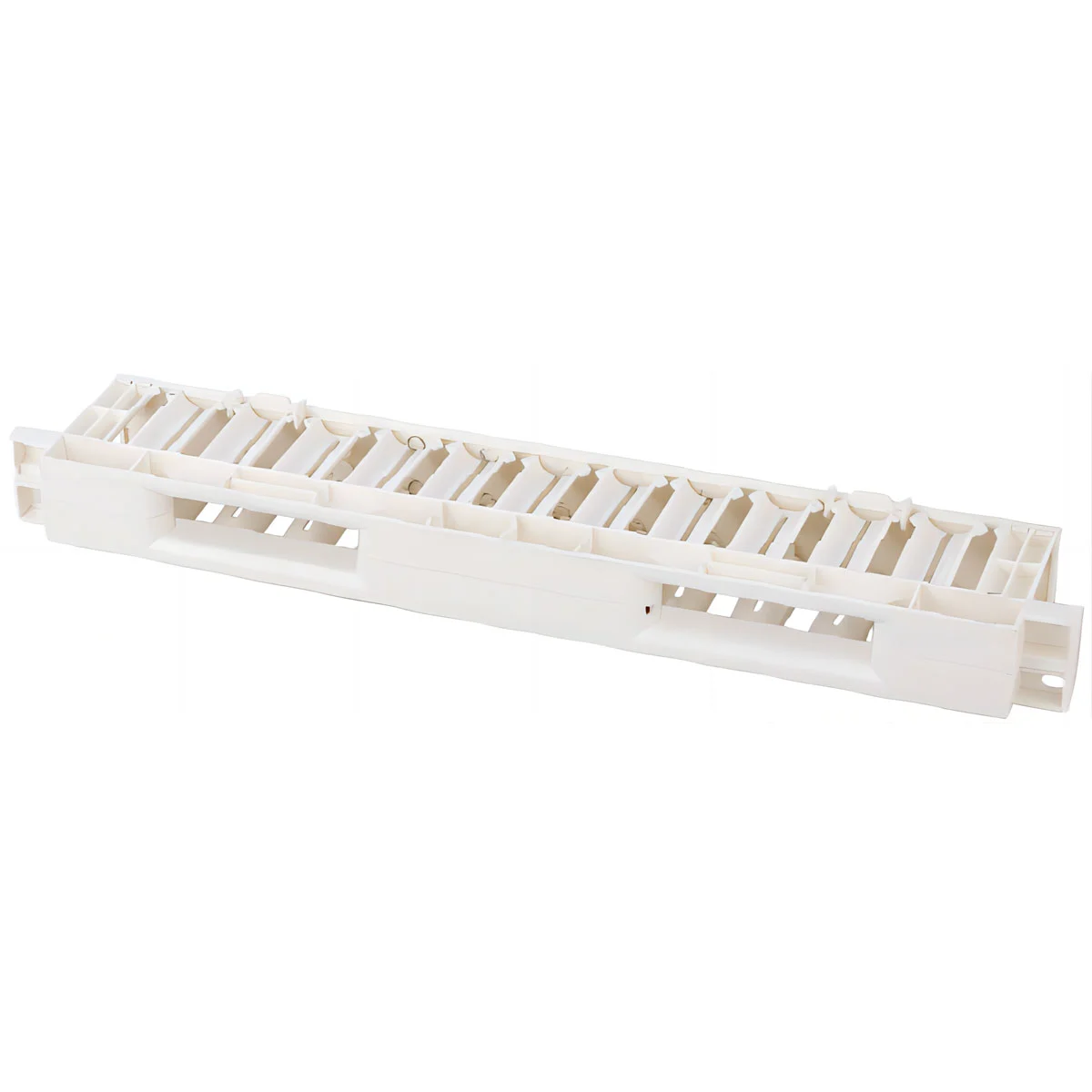
| Fiber distribution and management | Patch panel compatibility, termination, connector type and rack management | Fiber optic patch panel |
Need Help Choosing Fiber Optic Cables?
If you are not sure whether your project should focus more on fiber performance, cable structure or complete cabling system requirements, share your installation environment, fiber type, fiber count, route length and project standard requirements with HDC.
HDC can help buyers select suitable fiber optic cables for indoor, outdoor, duct, direct-buried, aerial and data center applications based on project conditions and cable performance requirements.
Contact HDC for fiber optic cable selection support
FAQ About IEC 60793 vs IEC 60794
What is the main difference between IEC 60793 and IEC 60794?
IEC 60793 focuses on optical fibers, while IEC 60794 focuses on fiber optic cables. IEC 60793 helps evaluate the fiber inside the cable, and IEC 60794 helps evaluate the finished cable structure and performance.
Is IEC 60793 enough for outdoor fiber optic cable selection?
No. IEC 60793 is useful for understanding optical fiber characteristics, but outdoor cable selection also requires finished cable evaluation, including sheath, strength member, water-blocking, tensile strength, crush resistance and environmental performance. IEC 60794 is more relevant for these cable-level requirements.
Which standard is more important for fiber attenuation?
Fiber attenuation is more closely related to the optical fiber itself, so IEC 60793 is more relevant when checking fiber-level optical performance. However, cable design and installation quality can also affect final link performance.
Which standard is more important for duct or direct-buried cables?
IEC 60794 is more important for duct or direct-buried cables because these applications depend heavily on cable construction, sheath design, mechanical strength, water protection and environmental durability.
Can a fiber optic cable relate to both IEC 60793 and IEC 60794?
Yes. A finished fiber optic cable can relate to both standard directions. IEC 60793 helps evaluate the optical fiber inside, while IEC 60794 helps evaluate the finished cable structure and application suitability.
How should buyers use IEC standards when asking for a quotation?
Buyers should provide fiber type, fiber count, installation environment, route conditions, mechanical requirements, moisture exposure, jacket material and testing requirements. This helps the supplier recommend a cable structure that matches the project instead of offering a generic product.


 Call us on:
  Email Us:
  No.10 Xumutang Road, Lishui Economic Development Zone, Nanjing, China