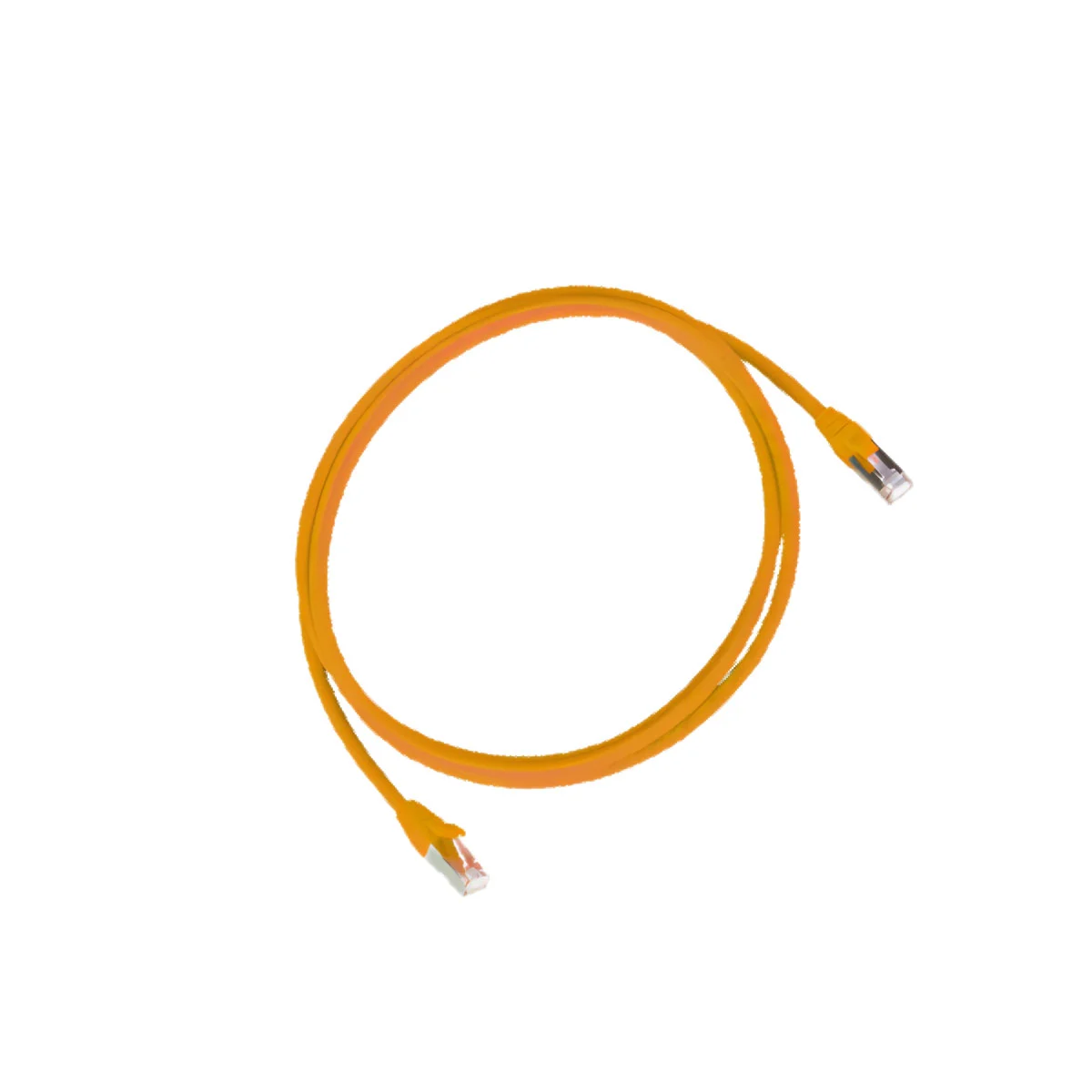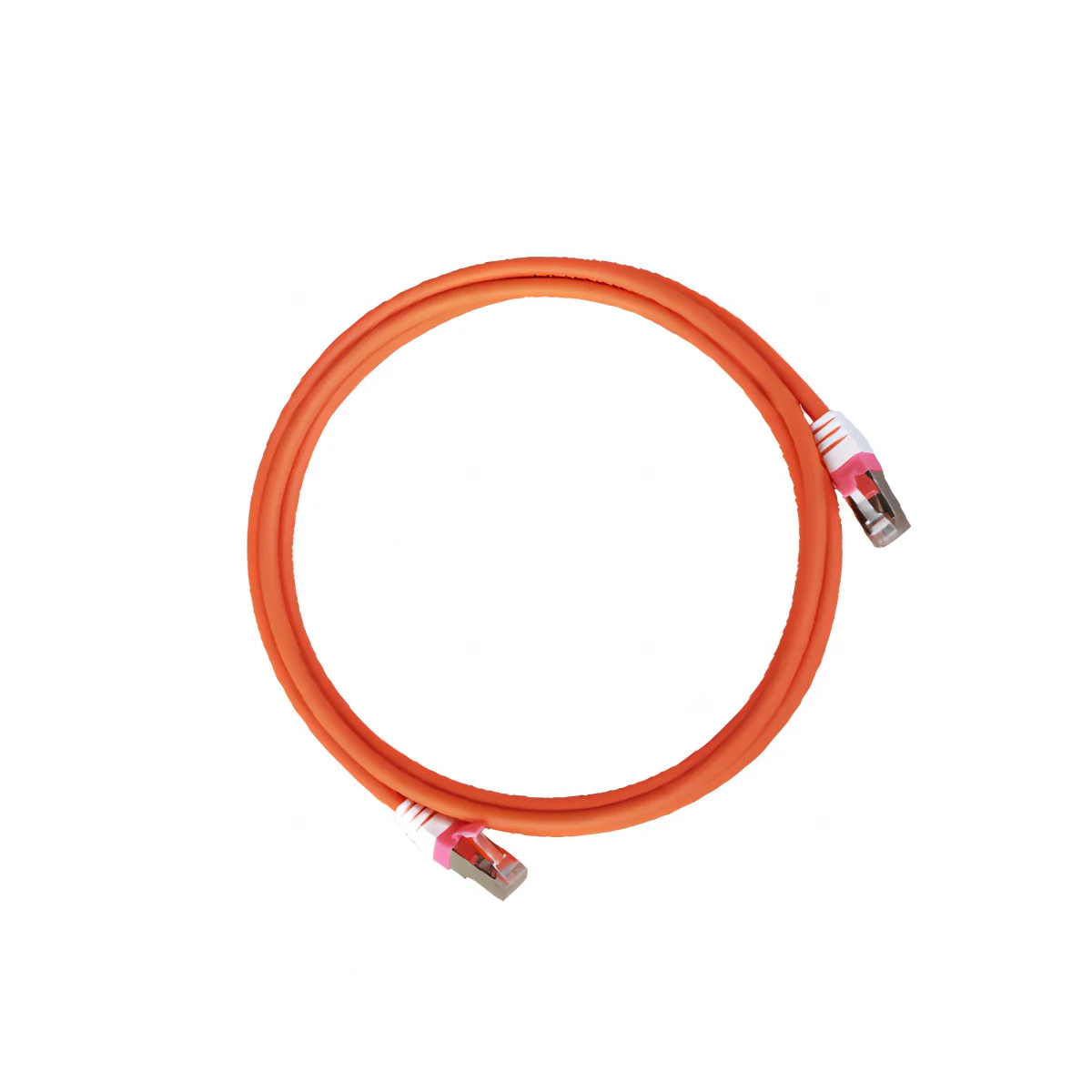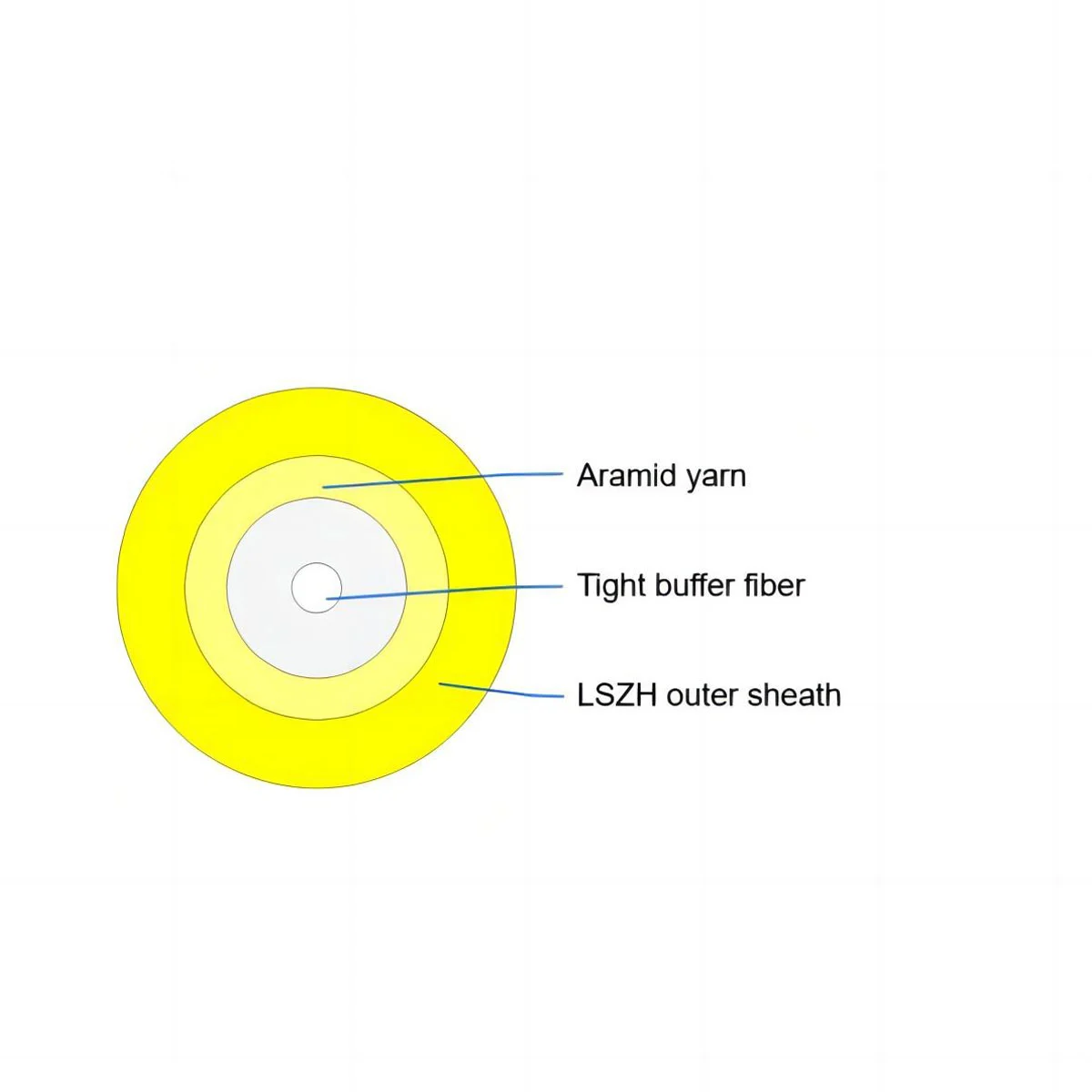
Choosing between air blown micro cables and traditional outdoor fiber cables depends on several practical factors, including network growth expectations, installation environment, available infrastructure, and long-term maintenance plans.
As fiber networks continue to expand for broadband access, data centers, and telecom infrastructure, operators are paying more attention to solutions that can support future capacity upgrades without repeated construction work. Air blown micro cables are designed for flexible fiber deployment through pre-installed microduct systems, while traditional outdoor fiber cables remain a reliable option for fixed routes where simplicity and durability are the main priorities. As noted in the Wikipedia overview of optical fiber technology, the fundamental advantage of fiber optics lies in its high bandwidth and low signal loss over long distances — characteristics that make scalable deployment methods like air blowing increasingly relevant for future-proof networks.
Fiber network construction is changing as telecom operators, data centers, and infrastructure providers demand faster deployment and easier upgrades. Traditional fiber optic cable for outdoor use has been widely used for decades because of its proven reliability. However, increasing bandwidth requirements have created demand for more flexible solutions.
Air blown microcables are lightweight fiber cables installed through microduct networks using compressed air. Instead of replacing entire cable routes during expansion, operators can add new fiber capacity by blowing additional cables into existing ducts. For large-scale telecom deployments, selecting a reliable air blown micro cable solution can improve installation efficiency and provide better long-term scalability.
Bulk blown cables are especially valuable for large-scale projects where network owners need efficient fiber installation while reducing labor costs and minimizing disruption.
Comparison Factor | Air Blown Micro Cable | Traditional Outdoor Fiber Cable |
Installation method | Installed by air blowing through microducts | Pulled or laid directly into ducts |
Expansion flexibility | High, new cables can be added later | Limited, often requires new cable installation |
Cable size | Smaller and lightweight | Larger and heavier |
Initial infrastructure | Requires microduct system | Standard duct or direct installation |
Long-term scalability | Excellent for growing networks | Better for fixed capacity requirements |
Maintenance impact | Easier upgrades with less excavation | More disruptive during expansion |
The right cable choice is not determined only by installation speed or initial cost. Network planners should evaluate several factors before selecting a fiber deployment method:
Future expansion requirements
Networks expected to grow over time may benefit from air blown solutions because additional cables can be installed through existing microduct pathways.
Project environment
Traditional outdoor fiber cables may be more suitable for projects requiring direct burial, fixed routes, or simpler installation methods.
Total lifecycle cost
A lower initial installation cost does not always mean lower long-term expenses. Future upgrades, maintenance access, and network expansion should also be considered.
Air blown micro cables are increasingly used in projects where flexibility and future scalability are important considerations. Their advantages mainly come from the way they are installed and expanded over time.
First, they maximize duct utilization. A single microduct pathway can support multiple fiber installations over time, helping operators delay costly civil engineering work.
Second, installation speed is improved. Because these cables are lightweight and designed for pneumatic installation, deployment teams can complete long-distance routes more efficiently.
Third, maintenance and upgrades become easier. When additional bandwidth is required, network owners can install new micro cables instead of replacing existing fiber systems. This approach is especially valuable when combined with a well-planned fiber structured cabling architecture that supports future network expansion.
For companies managing large fiber networks, solutions such as fiber optic cable manufacturing and customized micro cable solutions can help optimize project performance.
Although air blown technology offers strong advantages, traditional outdoor fiber cable remains suitable for many applications.
Projects with predictable capacity requirements may prefer conventional fiber cables because they do not require specialized microduct infrastructure. Rural deployments, fixed enterprise connections, and smaller projects often benefit from the simplicity of standard outdoor fiber installation.
Traditional cables are also commonly selected when construction conditions make future upgrades unlikely or unnecessary.
However, organizations should consider total lifecycle costs rather than only initial installation expenses. A lower upfront cost may lead to higher future expenses if network expansion requires additional excavation and cable replacement.
Before selecting between air blown microcables and traditional outdoor fiber cables, B2B buyers should evaluate:
- Network growth expectations over the next 5–10 years
- Required fiber count and cable density
- Existing duct and infrastructure compatibility
- Installation environment, including underground and outdoor conditions
- Required mechanical strength and environmental protection
- Supplier manufacturing capability and customization options
- Compliance with international fiber cable standards
- Availability of technical support and OEM services
Working with an experienced manufacturer helps ensure cable specifications match project requirements. Buyers should request detailed product data, installation guidelines, and testing documentation before making purchasing decisions.
The best solution depends on project objectives.
Choose air blown microcables when:
- You need scalable network expansion.
- Fiber demand is expected to increase significantly.
- Reducing installation time and labor costs is important.
- Existing microduct infrastructure is available.
Choose traditional outdoor fiber cable when:
- Capacity requirements are stable.
- Installation conditions favor conventional methods.
- The project requires direct burial or standard duct deployment.
For telecom operators, contractors, and infrastructure developers, selecting the correct cable technology can improve network reliability while controlling long-term operational costs. Partnering with experienced fiber optic accessories suppliers also ensures that connectors, patching components, and supporting products meet project requirements.
Air blown microcables are used for telecom networks, FTTH deployments, data center connections, and other fiber infrastructure projects requiring flexible expansion capabilities.
Yes. Bulk blown cables are commonly used in large-scale deployments because they allow operators to install high fiber capacity efficiently while keeping future upgrades simple.
They can replace traditional cables in many applications, but the decision depends on existing infrastructure, project requirements, and installation conditions.
The main advantage is scalability. Network operators can add new fiber capacity through existing microduct systems without major construction work.
Buyers should review manufacturing experience, product certifications, customization capability, testing standards, and technical support services.
Air blown microcables and traditional outdoor fiber cables both serve important roles in fiber infrastructure. Traditional cables remain reliable for fixed installations, while air blown solutions provide greater flexibility for networks that require continuous growth.
For organizations planning scalable telecom infrastructure, selecting high-quality micro cable products and a reliable manufacturing partner can improve deployment efficiency and reduce future upgrade costs. Following structured cabling guidelines such as those published by the Telecommunications Industry Association (TIA) helps ensure that both air blown and traditional outdoor cable systems meet long-term performance and safety requirements.
For fiber network projects, working with a manufacturer that understands0020cable design, customization requirements, and installation conditions can reduce project risks. HEDOT provides fiber cable solutions including air blown micro cables, outdoor fiber cables, and related connectivity products for telecom operators, contractors, and infrastructure projects. You can contact us to get more information.
Wikipedia. Optical Fiber Technology Overview.
Available at: https://en.wikipedia.org/wiki/Optical_fiber
Telecommunications Industry Association (TIA). Telecommunications Cabling Standards and Industry Resources.
Available at: https://www.tiaonline.org/
 Call us on:
  Email Us:
  No.10 Xumutang Road, Lishui Economic Development Zone, Nanjing, China
 EN
EN
 fr
fr  de
de  es
es  ru
ru  pt
pt  ar
ar  vi
vi  th
th  id
id