

 EN
EN
 fr
fr  de
de  es
es  ru
ru  pt
pt  ar
ar  vi
vi  th
th  id
id 
Fiber optic standards help buyers evaluate optical fibers, fiber optic cables, connectors, patch cords and cabling systems with clearer technical criteria. For B2B projects, these standards are useful because they help confirm whether a cable is suitable for indoor wiring, outdoor installation, duct routes, direct burial, FTTH, data centers or structured cabling systems.
This guide explains the key fiber optic cable standards and recommendations commonly used in optical network projects, including IEC 60793, IEC 60794, ANSI/TIA-568.3, ISO/IEC 11801, ITU-T G.652 and ITU-T G.657. It also explains how buyers can use these standards to choose the right cable type for different applications.
What Are Fiber Optic Standards?
Fiber optic standards are technical documents that define the performance, structure, testing, installation and compatibility requirements for optical fibers, fiber optic cables, connectors, patch cords and cabling systems. They help manufacturers produce consistent products and help buyers compare cables based on measurable requirements instead of general marketing claims.
Some standards focus on the optical fiber itself, such as fiber type, attenuation, geometry and bending performance. Some focus on finished fiber optic cables, including tensile strength, crush resistance, water penetration and sheath structure. Others focus on cabling systems, connectors, patch cords, patch panels and field testing requirements.
| Standard Area | Main Focus | Common References |
|---|---|---|
| Optical fiber | Fiber type, attenuation, geometry, bending and optical performance | IEC 60793, ITU-T G.652, ITU-T G.657 |
| Fiber optic cable | Cable construction, mechanical strength, sheath, water penetration and environmental testing | IEC 60794 |
| Fiber cabling system | Premises cabling, structured cabling, connectors, patch cords and testing | ANSI/TIA-568.3, ISO/IEC 11801 |
| Project selection | Matching cable type with indoor, outdoor, duct, direct-buried and data center environments | Project specifications and buyer requirements |
Why Fiber Optic Standards Matter for Cable Buyers
For cable buyers, standards are not only technical references. They help reduce project risks, compare supplier capabilities and avoid installation problems caused by unsuitable cable structure, poor material selection or incompatible components.
Standards Help Buyers Compare Cable Performance
Different suppliers may use similar descriptions such as “high performance,” “outdoor grade” or “low loss.” Fiber optic cable standards provide more objective comparison points, such as attenuation, tensile strength, crush resistance, bending performance, temperature range, water penetration and connector performance.
Standards Reduce Installation and Compatibility Risks
A fiber optic network is not built with cable alone. It may include fiber optic cables, patch panels, adapters, connectors, patch cords and testing procedures. Standards help ensure these components can work together in a stable cabling system, especially in multi-vendor projects, data centers, telecom rooms and campus networks.
Standards Support Long-Term Network Reliability
Outdoor cables may face pulling tension, moisture, soil pressure, UV exposure and temperature changes. Indoor cables may need flame-retardant or low-smoke jacket materials. By selecting cables according to the right standards, buyers can reduce failure risks and improve long-term transmission reliability.
Key Fiber Optic Standards at a Glance
The table below summarizes several important standards and recommendations that buyers may see when selecting optical fibers, fiber optic cables and structured cabling components.
| Standard / Recommendation | Main Scope | What Buyers Should Check | Related HDC Products |
|---|---|---|---|
| IEC 60793 | Optical fiber specifications and test methods | Fiber type, attenuation, geometry, mechanical and optical performance | Indoor fiber optic cables, outdoor fiber optic cables |
| IEC 60794 | Fiber optic cable construction, performance and test methods | Tensile strength, crush resistance, bending, temperature, water penetration and cable structure | Outdoor fiber optic cables, aerial cables, duct cables, direct-buried cables and ADSS cables |
| ANSI/TIA-568.3 | Optical fiber cabling and components for premises cabling | Optical fiber cable, connectors, patch cords, connecting hardware and testing requirements | Fiber optic patch panel, fiber optic jumpers and data center cabling |
| ISO/IEC 11801 | Generic cabling systems for customer premises | Cabling structure, channel performance, fiber categories and multi-vendor compatibility | Structured cabling systems and data center cabling |
| ITU-T G.652 | Characteristics of standard single-mode optical fiber and cable | Single-mode fiber performance for backbone, metro and access networks | Single-mode indoor and outdoor fiber optic cables |
| ITU-T G.657 | Bend-insensitive single-mode fiber characteristics | Bending performance for FTTH, indoor routing and tight installation spaces | Indoor fiber optic cables and FTTH drop cables |
IEC Standards for Optical Fibers and Fiber Optic Cables
The IEC standard family is commonly referenced when buyers evaluate optical fibers and finished fiber optic cables. In simple terms, IEC 60793 is more related to optical fiber specifications, while IEC 60794 is more related to finished optical cable construction and test requirements.
IEC 60793 for Optical Fibers
IEC 60793 helps define optical fiber characteristics and test methods. Buyers may use it to understand fiber categories, attenuation, geometry, mechanical performance and optical performance. This is important when comparing single-mode fiber, multimode fiber and application-specific fiber types.
For example, if a project requires long-distance transmission, buyers may need to pay attention to attenuation and dispersion. If a project involves indoor routing or FTTH installation, bending performance may become more important.
IEC 60794 for Fiber Optic Cables
IEC 60794 is especially important when selecting finished fiber optic cables. It focuses on cable construction, performance requirements and test methods. Buyers can use it to evaluate whether a cable structure is suitable for aerial installation, duct installation, direct burial or other outdoor environments.
For outdoor projects, buyers should pay attention to tensile strength, crush resistance, bending performance, temperature range, water penetration and sheath structure. These factors are especially important for outdoor fiber optic cables, ADSS cables, duct cables and direct-buried cables.
In practice, IEC 60793 helps evaluate the optical fiber inside the cable, while IEC 60794 helps evaluate the finished cable structure and environmental performance.
TIA and ISO/IEC Standards for Fiber Optic Cabling Systems
While IEC standards are often used for optical fiber and cable performance, TIA and ISO/IEC standards are more closely related to cabling systems. These standards are important for buildings, data centers, campuses and enterprise network projects.
ANSI/TIA-568.3 for Optical Fiber Cabling and Components
ANSI/TIA-568.3 is commonly referenced for optical fiber cabling and components in premises cabling. It covers optical fiber cables, connectors, connecting hardware, patch cords and testing requirements.
For buyers, this standard is useful when selecting fiber optic patch cords, fiber optic patch panels, adapters and other components used in structured cabling systems. For example, a data center project may need to check whether patch cords, connectors and patch panels can support the required cabling channel performance.
You can learn more from the official ANSI/TIA-568.3-E optical fiber cabling standard.
ISO/IEC 11801 for Generic Cabling Systems
ISO/IEC 11801 is used for generic cabling systems in customer premises. It helps define cabling structure and performance for multi-vendor cabling systems.
This standard is especially relevant when a project includes multiple product categories, such as backbone cabling, horizontal cabling, telecom rooms, work areas, data centers and campus networks. It helps buyers evaluate whether different components can work together in a structured and scalable cabling system.
For more details, buyers can refer to the official ISO/IEC 11801 generic cabling system information.
ITU-T Fiber Recommendations for Single-Mode Fiber Selection
ITU-T recommendations are commonly used when selecting single-mode optical fibers for telecom, FTTH, access network and long-distance transmission projects. Two common references are ITU-T G.652 and ITU-T G.657.
| ITU-T Recommendation | Common Meaning | Typical Use | Buyer Consideration |
|---|---|---|---|
| G.652 | Standard single-mode optical fiber and cable | Backbone networks, metro networks, access networks and general single-mode links | Suitable for many standard single-mode applications; check attenuation, dispersion and link design requirements |
| G.657 | Bend-insensitive single-mode optical fiber and cable | FTTH, indoor routing, building wiring and tight bend installation spaces | Useful where small bend radius and easier indoor routing are required |
| G.655 | Non-zero dispersion-shifted single-mode fiber | Long-distance and wavelength-division transmission systems | Used for specific transmission network designs; confirm system requirements before selection |
ITU-T G.652 describes characteristics of single-mode optical fiber and cable, while ITU-T G.657 focuses on bending-loss-insensitive single-mode optical fiber and cable. For indoor routing or FTTH projects, G.657 fiber is often considered when bend performance is a key requirement.
How to Choose Fiber Optic Cables Based on Standards
Different fiber optic projects require different standards and cable structures. Buyers should first confirm the installation environment, then match the standards and cable type. The table below provides a practical selection framework.
| Project Need | Standards to Check | Recommended Cable Type | Suggested HDC Product Direction |
|---|---|---|---|
| Indoor building wiring | IEC 60794, ANSI/TIA-568.3, ISO/IEC 11801, fire safety requirements | Indoor fiber optic cable, LSZH cable or FTTH indoor cable | Indoor fiber optic cables |
| Outdoor aerial installation | IEC 60794 mechanical performance, tensile strength and environmental testing | ADSS cable or outdoor aerial fiber optic cable | Outdoor fiber optic cables |
| Duct installation | IEC 60794 water penetration, crush resistance and bending requirements | Outdoor duct fiber optic cable | Outdoor duct cables |
| Direct burial | IEC 60794 mechanical strength, water-blocking and sheath structure | Armored or reinforced direct-buried fiber optic cable | GYFTA53 inner sheath cable |
| Data center cabling | ANSI/TIA-568.3, ISO/IEC 11801, connector and channel testing requirements | Fiber patch cords, patch panels and high-density optical cabling solutions | Fiber optic patch panel |
| FTTH or tight bend routing | ITU-T G.657 and indoor routing requirements | Bow-type cable or bend-insensitive indoor fiber cable | Indoor fiber optic cables |
Recommended HDC Fiber Optic Cable Solutions
HDC supplies fiber optic cables and cabling products for different network environments. When comparing fiber optic standards, buyers can use standard requirements to narrow down the suitable product family.
| Application | Recommended Product Family | Why It Fits |
|---|---|---|
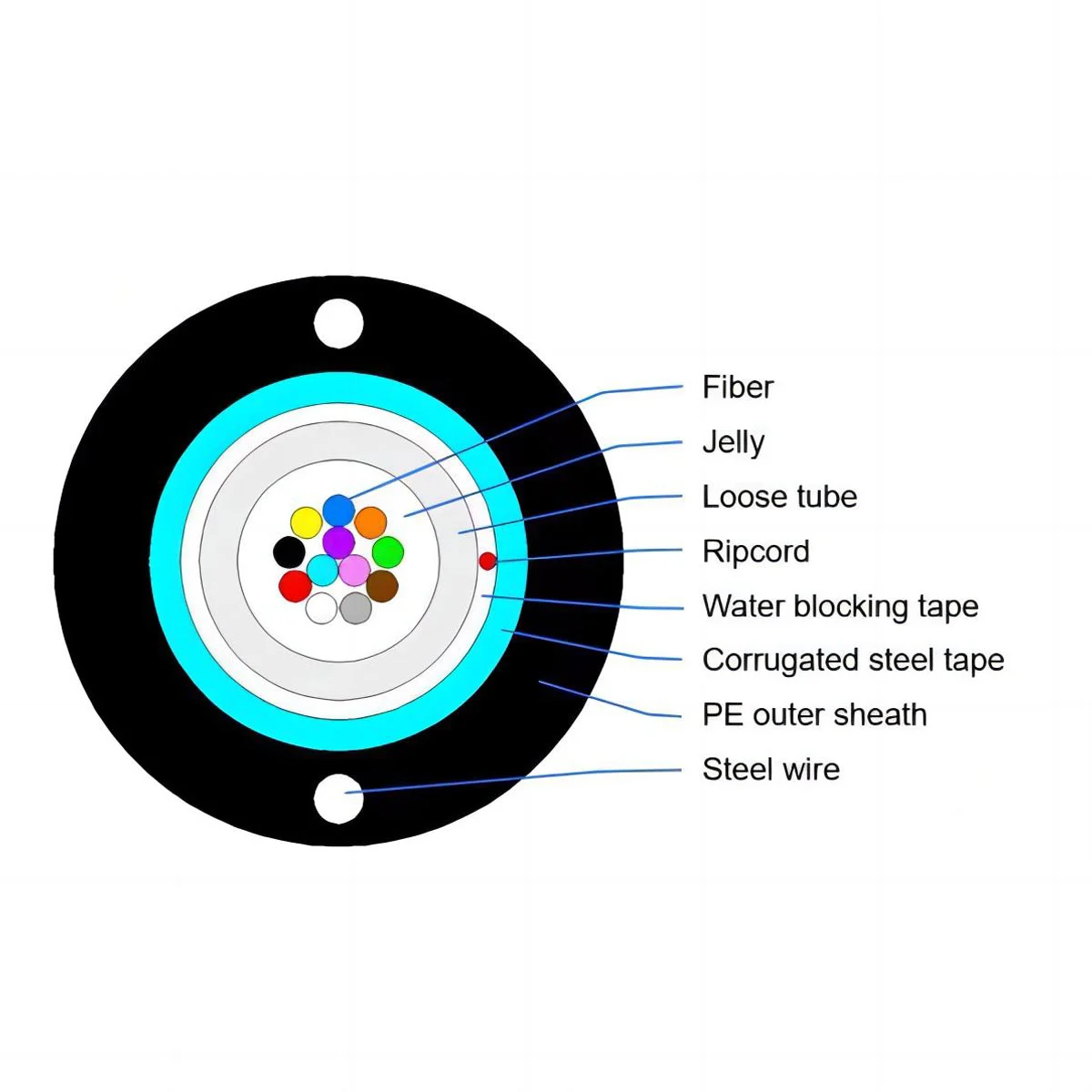
| Outdoor telecom network | Outdoor fiber optic cables | Designed for environmental exposure, long-distance communication and outdoor installation conditions. |
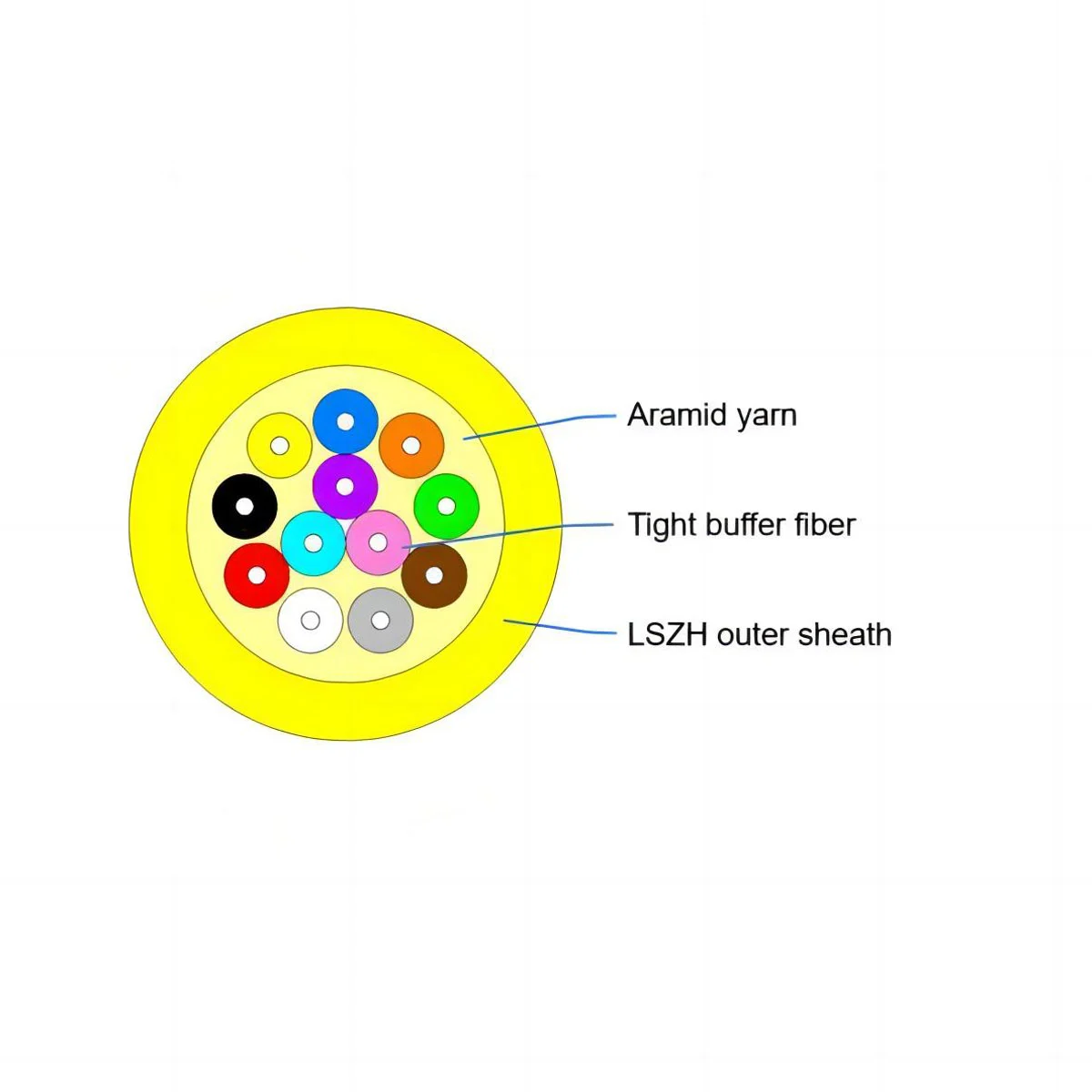
| Building and indoor network | Indoor fiber optic cables | Suitable for wiring in buildings, telecom rooms, offices and controlled indoor environments. |
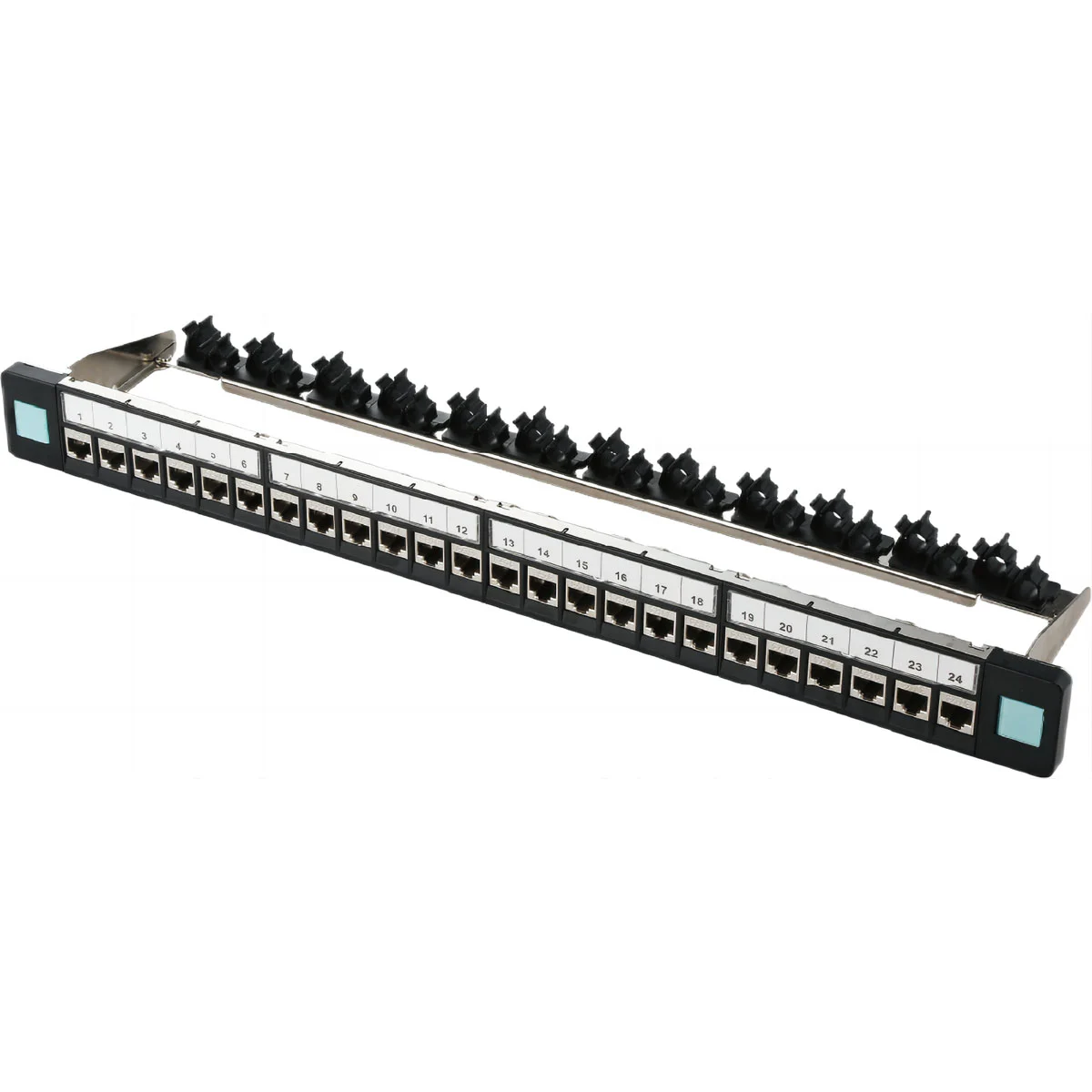
| Fiber distribution and management | Fiber optic patch panel | Helps organize, terminate and manage fiber connections in racks, cabinets and network rooms. |
| Direct-buried or reinforced outdoor cable | GYFTA53 inner sheath cable | Uses reinforced cable structure for demanding outdoor and underground fiber optic projects. |
Buyer Checklist: What to Confirm Before Ordering Fiber Optic Cables
Before placing a bulk order, buyers should not only ask for a price list. They should confirm the installation environment, cable route, fiber type, jacket material, testing requirements and matching accessories.
| Checklist Item | Why It Matters |
|---|---|
| Installation environment | Indoor, outdoor, aerial, duct and direct-buried projects require different cable structures. |
| Fiber type | Single-mode, multimode, G.652 or G.657 fiber should match the transmission distance and routing conditions. |
| Mechanical performance | Tensile strength, crush resistance and bending performance affect installation reliability. |
| Moisture protection | Outdoor, duct and direct-buried cables may require water-blocking structure and stronger sheath materials. |
| Fire safety requirement | Indoor public buildings, data centers and telecom rooms may require LSZH or flame-retardant materials. |
| Accessories and testing | Patch panels, connectors, patch cords and testing requirements should match the complete cabling system. |
Need Help Matching Standards with Fiber Optic Cable Products?
If you are selecting fiber optic cables for a network project, share your project environment, cable route, fiber type, installation method and testing requirements with HDC. Our team can help you select suitable fiber optic cables, patch panels and cabling components for indoor, outdoor, duct, direct-buried and data center applications.
Contact HDC for fiber optic cable selection support
FAQ About Fiber Optic Standards
What are the main fiber optic standards?
The main fiber optic standards include IEC standards for optical fibers and fiber optic cables, ANSI/TIA standards for premises optical fiber cabling and components, ISO/IEC standards for generic cabling systems, and ITU-T recommendations for optical fiber characteristics.
What is the difference between IEC 60793 and IEC 60794?
IEC 60793 mainly focuses on optical fibers and their performance requirements, while IEC 60794 focuses on fiber optic cables, including cable construction, mechanical performance and test methods.
Which standard applies to fiber optic patch cords and connectors?
ANSI/TIA-568.3 is commonly referenced for premises optical fiber cabling and components, including optical fiber cables, connectors, connecting hardware and patch cords.
Which standards should buyers check for outdoor fiber optic cables?
For outdoor fiber optic cables, buyers should check standards related to cable construction, tensile performance, crush resistance, bending, temperature resistance and water penetration. IEC 60794 is commonly used as a reference for fiber optic cable performance and testing.
What is ISO/IEC 11801 used for?
ISO/IEC 11801 is used for generic cabling systems in customer premises. It helps define cabling structure and performance for multi-vendor cabling systems.
How do fiber optic standards help cable buyers?
Fiber optic standards help buyers compare cable performance, verify product suitability, reduce installation risks and ensure that cables, connectors and cabling components can work together in a reliable network system.

 Call us on:
  Email Us:
  No.10 Xumutang Road, Lishui Economic Development Zone, Nanjing, China