A structured cabling design provides the foundation for reliable communication between network devices, servers, and end-user systems. Whether the project involves a data center, office building, or enterprise campus, effective cabling planning requires more than selecting cables. Engineers need to consider network capacity, installation environment, standards compliance, cable pathways, and future expansion requirements before deployment begins.
A properly designed cabling system reduces unnecessary complexity during installation and maintenance while creating a flexible infrastructure that can support future technology upgrades.
Before installation begins, engineers and network planners should understand how the facility will be used, not only how much bandwidth is required today. A structured cabling system is typically expected to remain in service for many years, so design decisions should consider equipment upgrades, additional users, and changing application requirements.
Key assessment areas include:
- Building layout and floor plans
- Number of users, devices, and network endpoints
- Current bandwidth requirements and future upgrades
- Data center rack arrangement and equipment density
- Environmental conditions such as temperature and electromagnetic interference
- Industry standards including ANSI/TIA-568 and ISO/IEC 11801 requirements
For enterprise deployments, early planning helps avoid expensive redesigns and ensures the cabling infrastructure can support cloud services, IoT devices, high-speed networking, and business-critical applications.
A complete design checklist helps engineers verify every important element before deployment.
Design Area | Key Design Considerations | Why It Matters |
Backbone Cabling | Fiber routes between equipment rooms, telecom rooms, and data center areas | Supports high-speed transmission and future network upgrades |
Horizontal Cabling | Cable distance, outlet planning, and user workspace requirements | Maintains consistent connectivity across work areas |
Rack and Patch Panel Planning | Port density, labeling, cable routing, and accessibility | Simplifies troubleshooting and future maintenance |
Pathway Planning | Cable trays, conduits, and reserved capacity | Prevents limitations during future expansion |
For high-density environments, selecting suitable infrastructure components from a reliable China fiber patch panel factory can improve cable organization, ensure product consistency, and simplify future network expansion.
Understanding how to design a structured cabling system requires a systematic approach. Organizations planning complex network infrastructure projects can refer to a structured cabling design guide to better understand key considerations, including cable planning, component selection, installation standards, and future scalability requirements.
Step 1: Define Network Requirements
Determine required bandwidth, transmission speeds, application types, and expected growth. A data center supporting large amounts of traffic may require extensive fiber infrastructure, while office environments may combine copper and fiber solutions.
Step 2: Create a Logical and Physical Layout
Develop detailed diagrams showing equipment rooms, racks, cable pathways, and connection points. Proper documentation allows installation teams to follow the design accurately.
Step 3: Select Appropriate Cabling Components
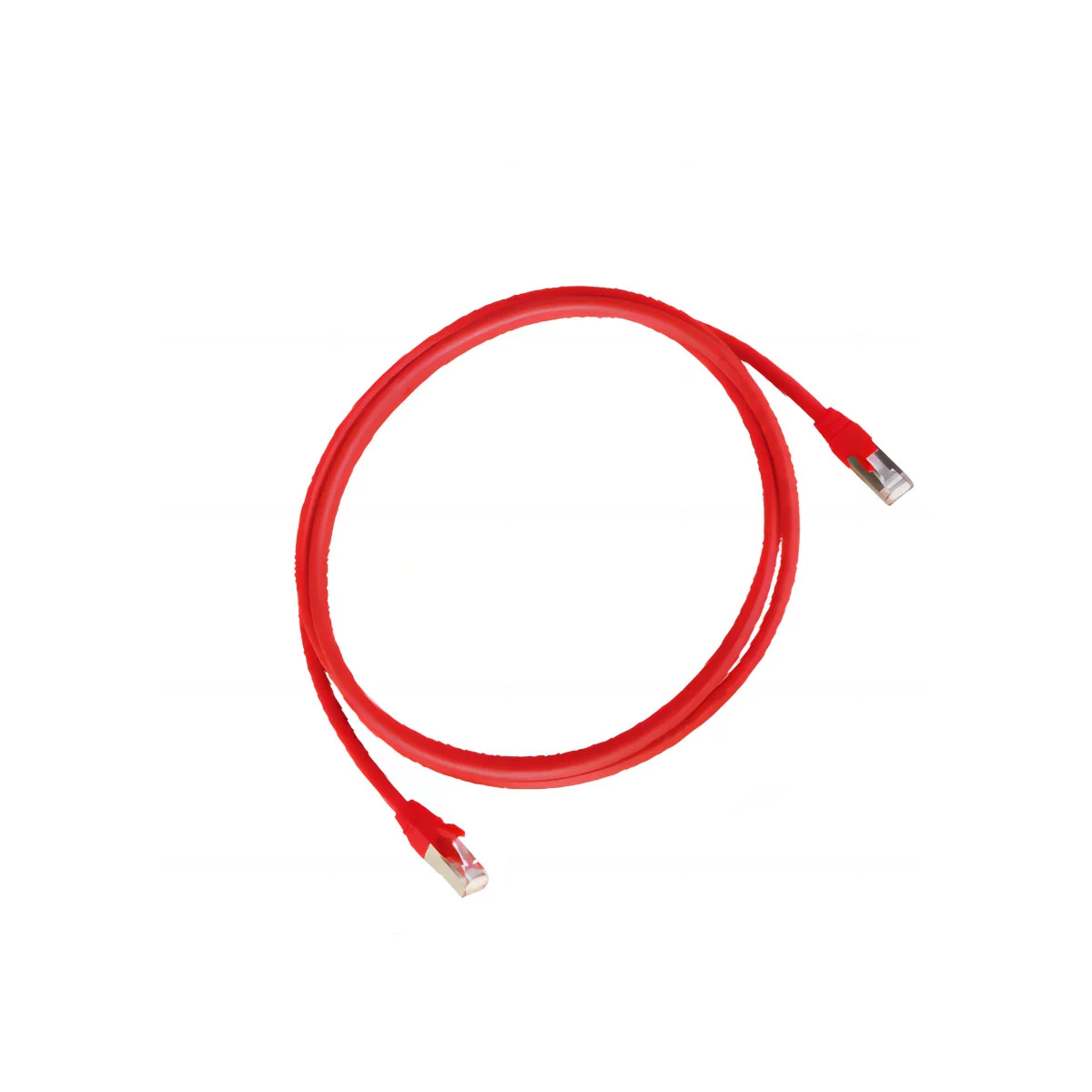
Choose cables, patch cords, connectors, and termination solutions according to performance requirements. For copper-based enterprise networks, components such as a cat6 ftp patch panel can help improve signal stability and simplify structured cabling management.Reliable communications cables help maintain stable signal transmission across enterprise environments.
Step 4: Plan Cable Management
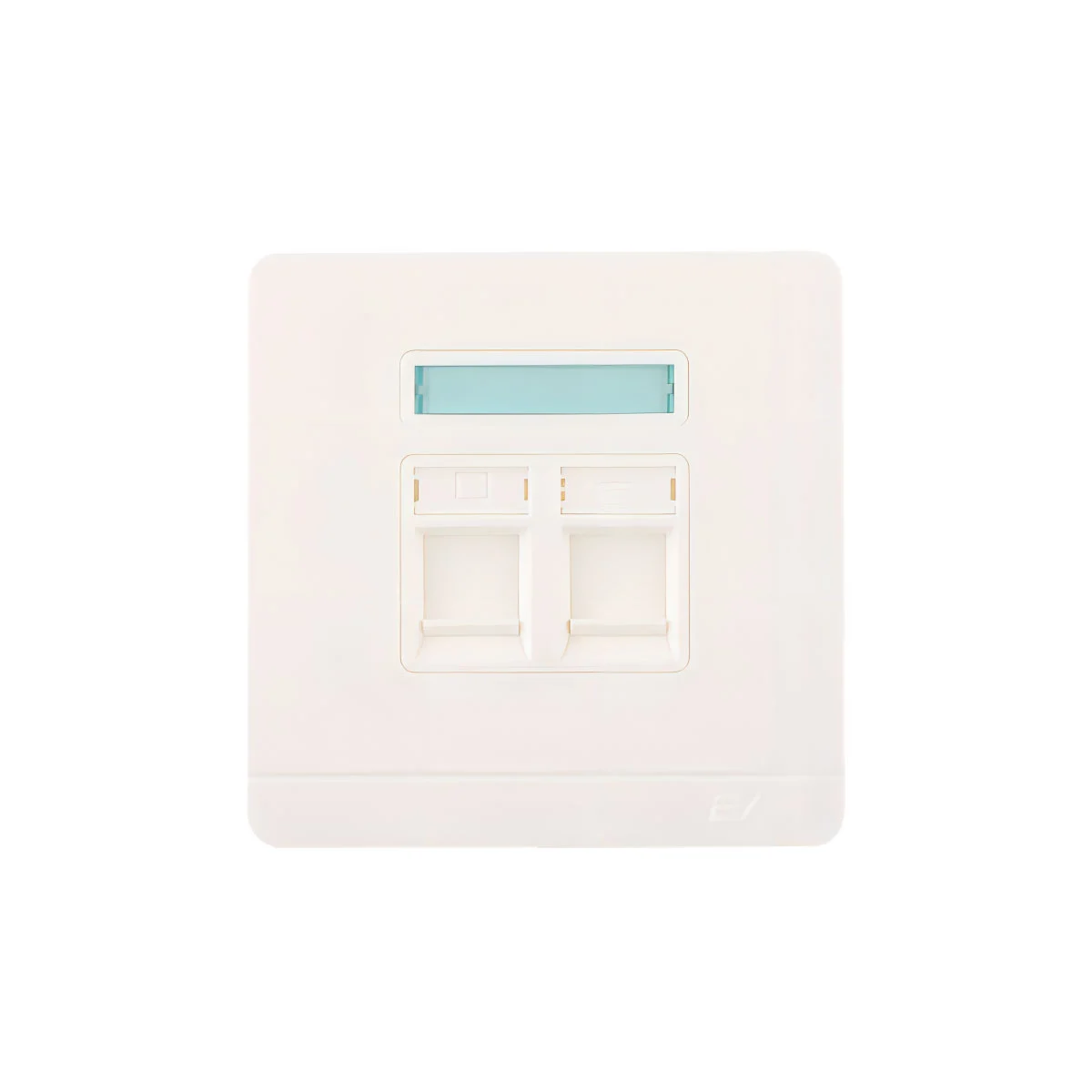
Good cable management reduces congestion and improves troubleshooting efficiency. Solutions such as wall plate cable management help maintain organized connections in office environments, while labeling, rack organization, and pathway separation should be included in the initial design.
Step 5: Test and Document the System
After installation, testing verifies performance and compliance. Documentation should include cable routes, port assignments, test results, and future modification records.
Choosing the correct cabling method depends on network scale, performance needs, and expansion plans.
Cabling Approach | Advantages | Suitable Applications |
Copper Cabling | Cost-effective and easy to deploy | Enterprise offices and standard networks |
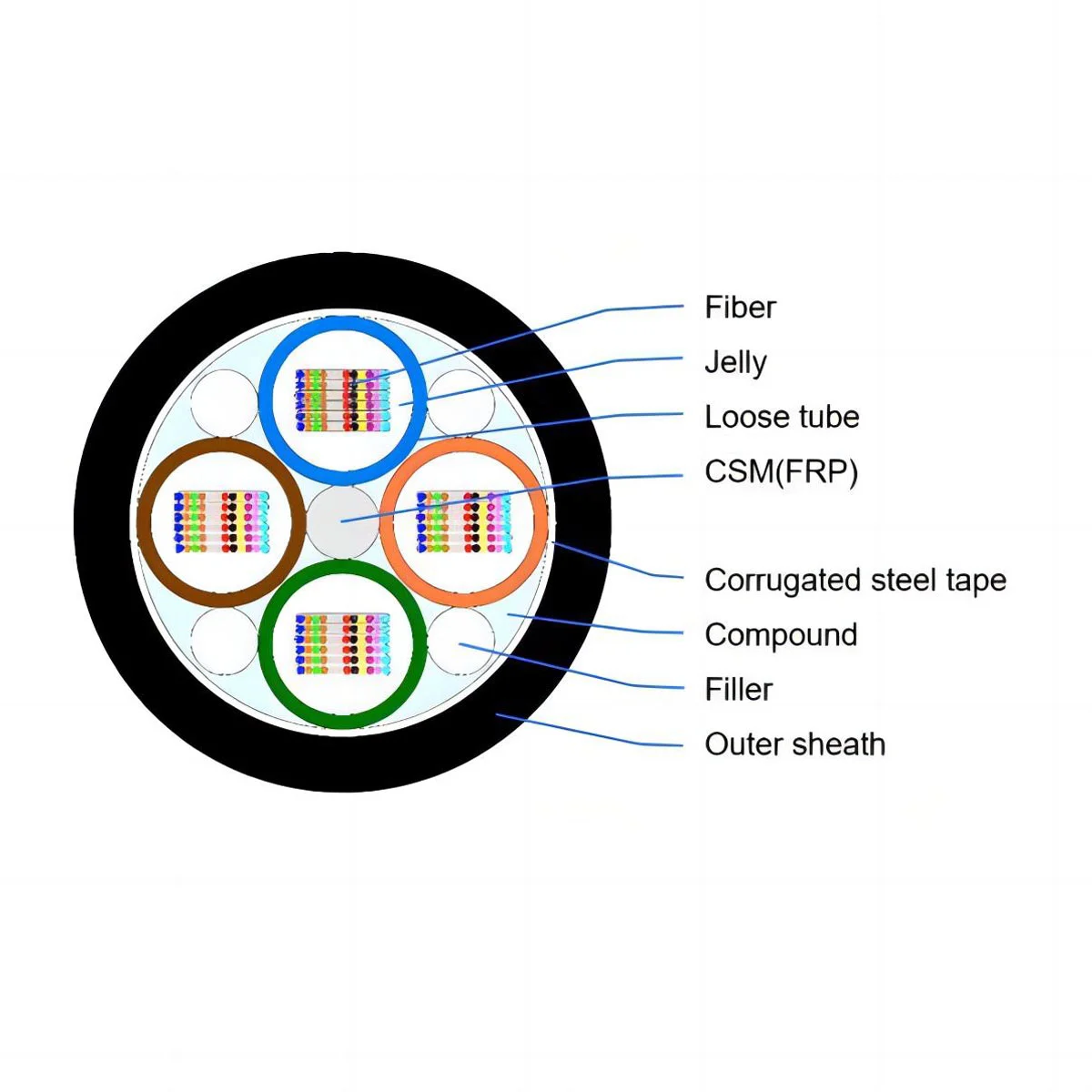
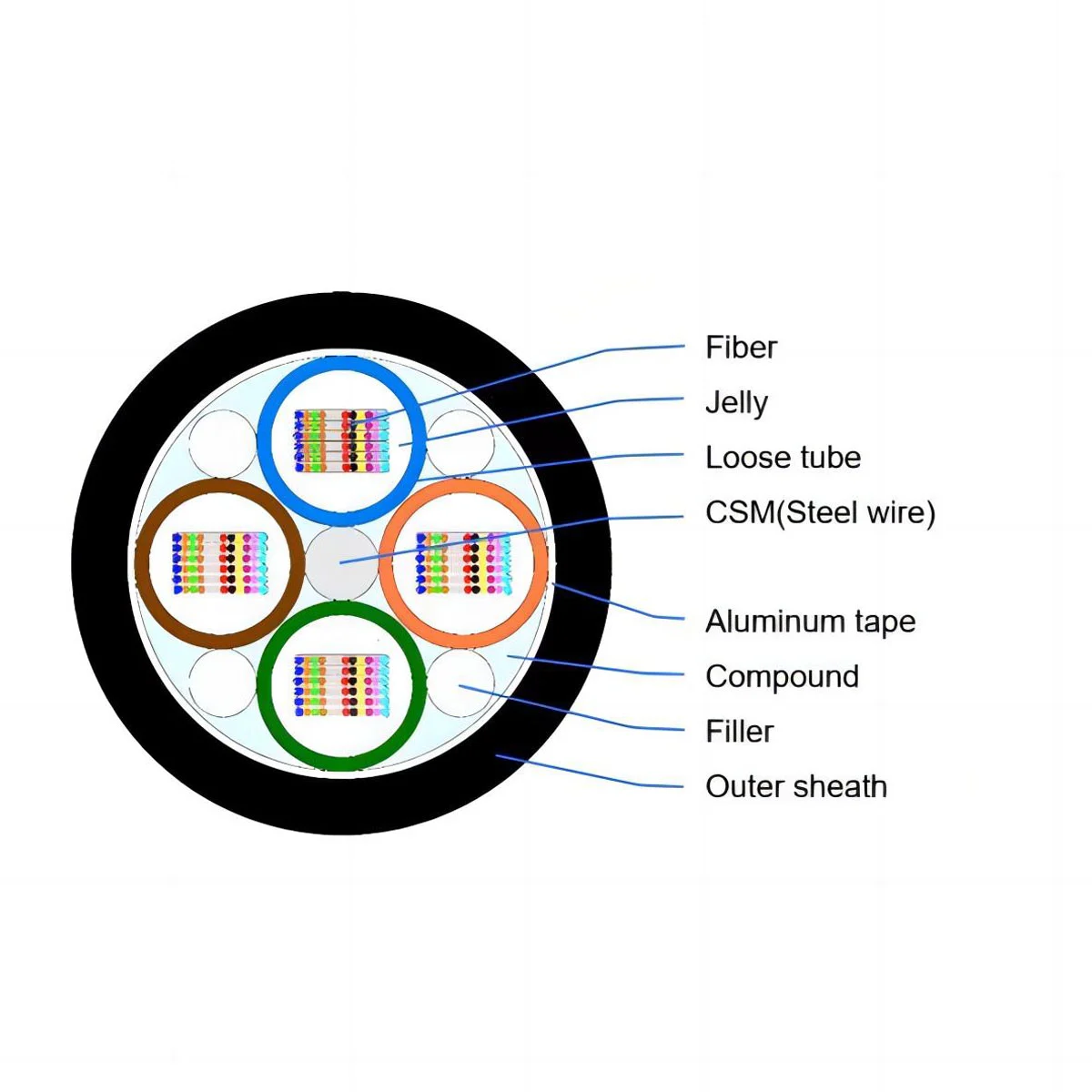
Fiber Optic Cabling | Higher bandwidth and longer transmission distance | Data centers and backbone connections |
Hybrid Cabling | Balances cost and performance | Large commercial facilities |
A carefully designed system often combines multiple technologies to achieve the best balance between performance, reliability, and investment.
Key Factors When Designing Structured Cabling Systems
Factor | Recommended Approach |
Network Growth | Reserve additional rack space, pathways, and cable capacity |
Performance Requirements | Select copper or fiber solutions based on transmission needs |
Reliability | Follow recognized standards and conduct proper testing |
Maintenance | Use clear labeling and structured documentation |
Future Upgrades | Consider emerging technologies during initial planning |
Many network problems result from poor planning rather than poor-quality materials.
Common mistakes include:
- Designing only for current requirements without reserving capacity for future bandwidth growth
- Ignoring cable pathway limitations during building planning
- Failing to maintain accurate documentation
- Choosing components without considering compatibility
- Overlooking airflow and rack organization in data centers
Avoiding these issues improves network reliability and reduces long-term operating costs.
Before purchasing structured cabling materials, buyers should confirm cable category, connector compatibility, and products such as an ftp cat6 patch cord that meet performance requirements for enterprise deployments.
- Required cable category and performance rating
- Fiber type and connector compatibility
- Quantity requirements including spare materials
- Compliance certifications and testing standards
- Supplier manufacturing capability and technical support
- Customization requirements for large-scale projects
For B2B buyers, working with an experienced supplier helps ensure consistent product quality, delivery reliability, and technical assistance throughout deployment. HEDOT supports enterprise network and data center cabling projects by providing structured cabling components, customization services, and OEM solutions based on different deployment requirements.
Structured cabling design creates an organized infrastructure for transmitting data between network equipment, servers, and connected devices. It defines how cables, pathways, racks, and connection points are planned so the network can operate reliably and be expanded when requirements change.
Designing a data center structured cabling system usually involves several steps: evaluating capacity requirements, planning equipment room layouts, selecting appropriate fiber or copper solutions, organizing cable pathways, testing installed connections, and documenting the final configuration.
Most professional installations follow recognized standards such as ANSI/TIA-568 and ISO/IEC 11801. These standards provide guidelines for structured cabling architecture, component performance, and installation practices, helping ensure compatibility and consistent network performance.
The choice depends on application requirements. Copper is suitable for many access connections, while fiber is preferred for high-speed backbone and data center environments.
Effective cable management improves airflow, reduces troubleshooting time, prevents connection errors, and makes future network changes easier.
Companies should evaluate product quality, compatibility, supplier experience, customization options, and long-term technical support before purchasing.
A structured cabling design should be viewed as a long-term infrastructure decision rather than a simple installation task. Careful planning, suitable components, proper documentation, and compliance with recognized standards help organizations build networks that remain easier to manage as technology requirements evolve.
For companies planning enterprise network or data center projects, evaluating design requirements early and working with experienced suppliers can reduce implementation challenges and support customized deployment needs. You can contatct us to get more informations.
ISO/IEC 11801 – Information Technology: Generic Cabling for Customer Premises
https://en.wikipedia.org/wiki/ISO/IEC_11801
Telecommunications Industry Association (TIA) – Cabling Standards Overview
https://tiaonline.org/standard/tia-568/


 Call us on:
  Email Us:
  No.10 Xumutang Road, Lishui Economic Development Zone, Nanjing, China
 EN
EN
 fr
fr  de
de  es
es  ru
ru  pt
pt  ar
ar  vi
vi  th
th  id
id