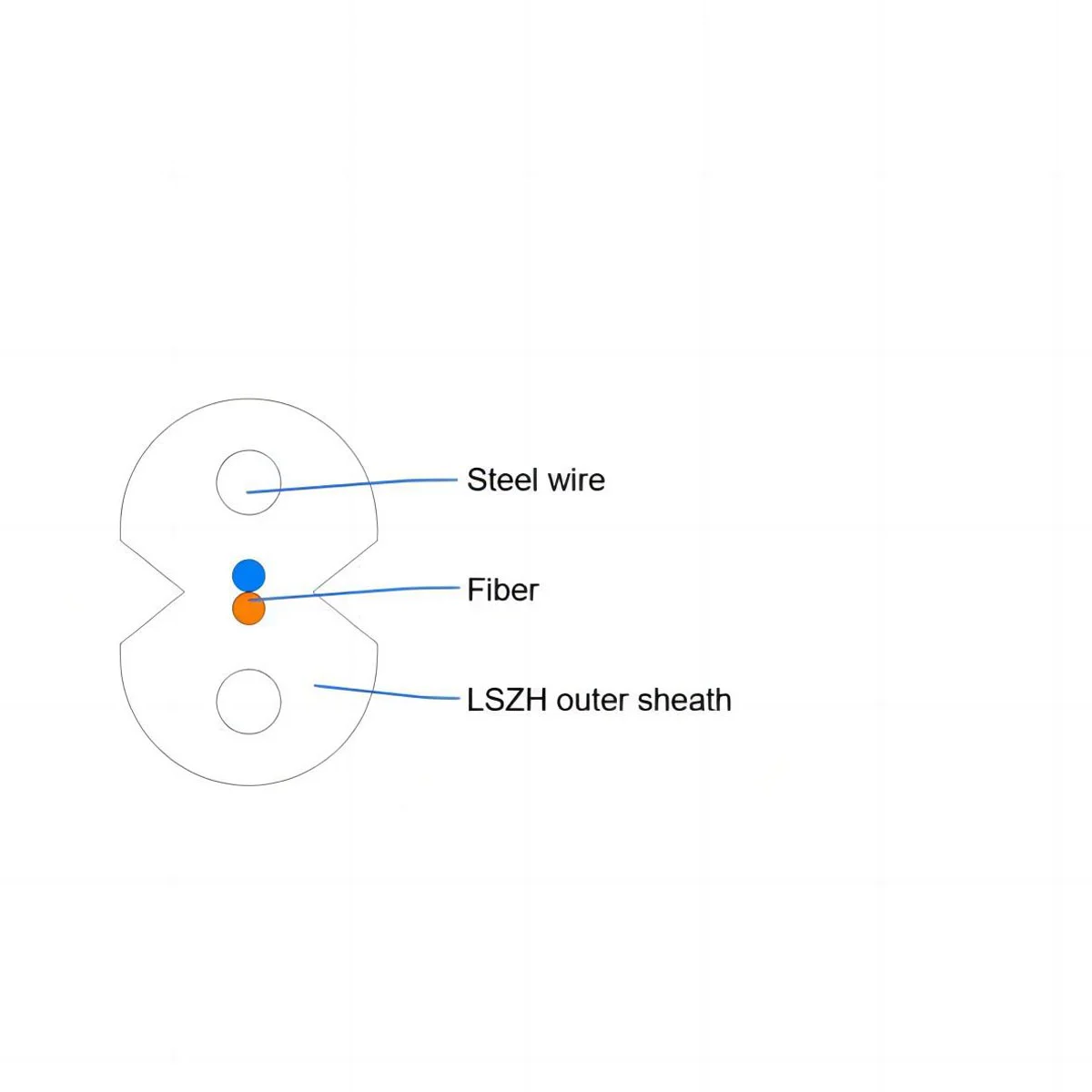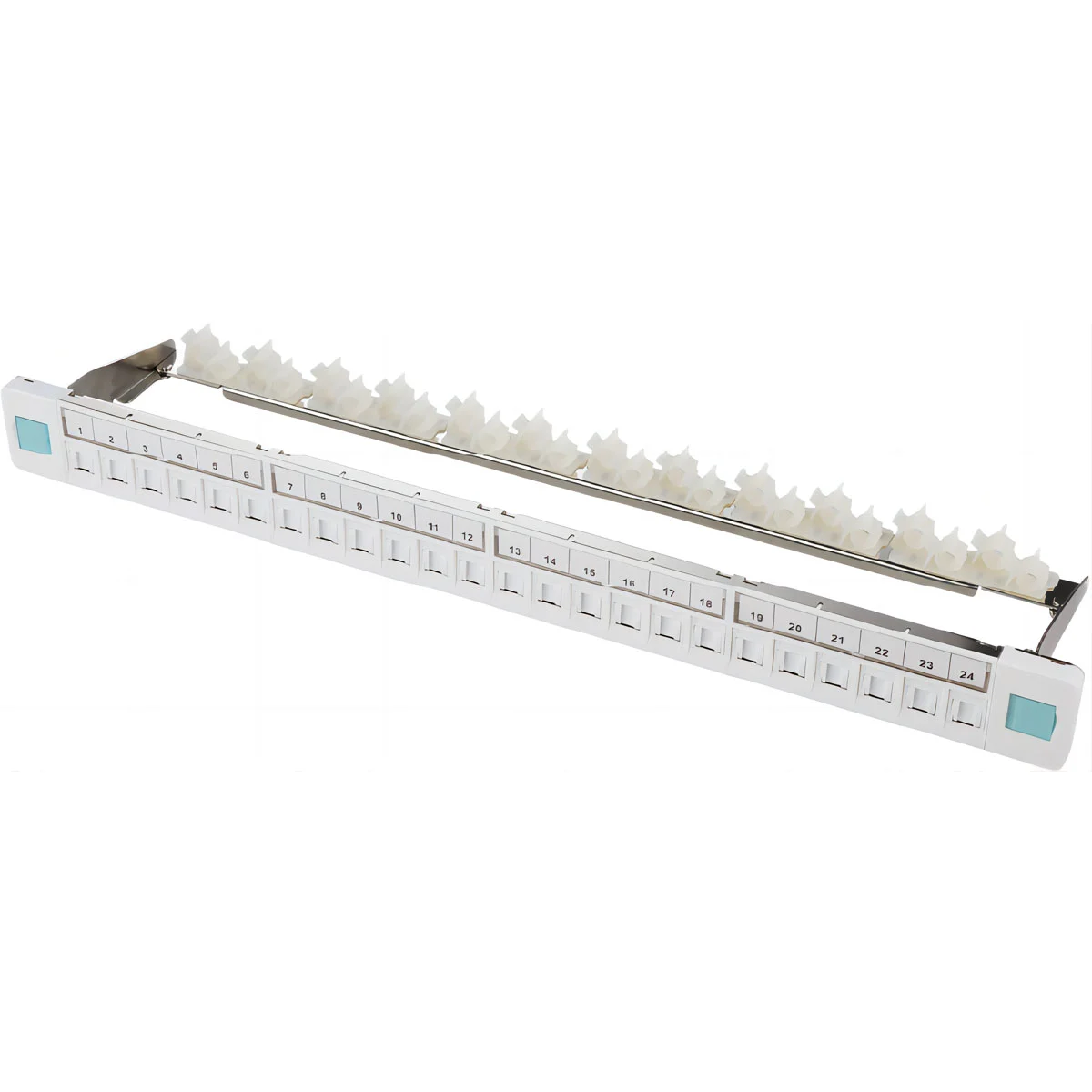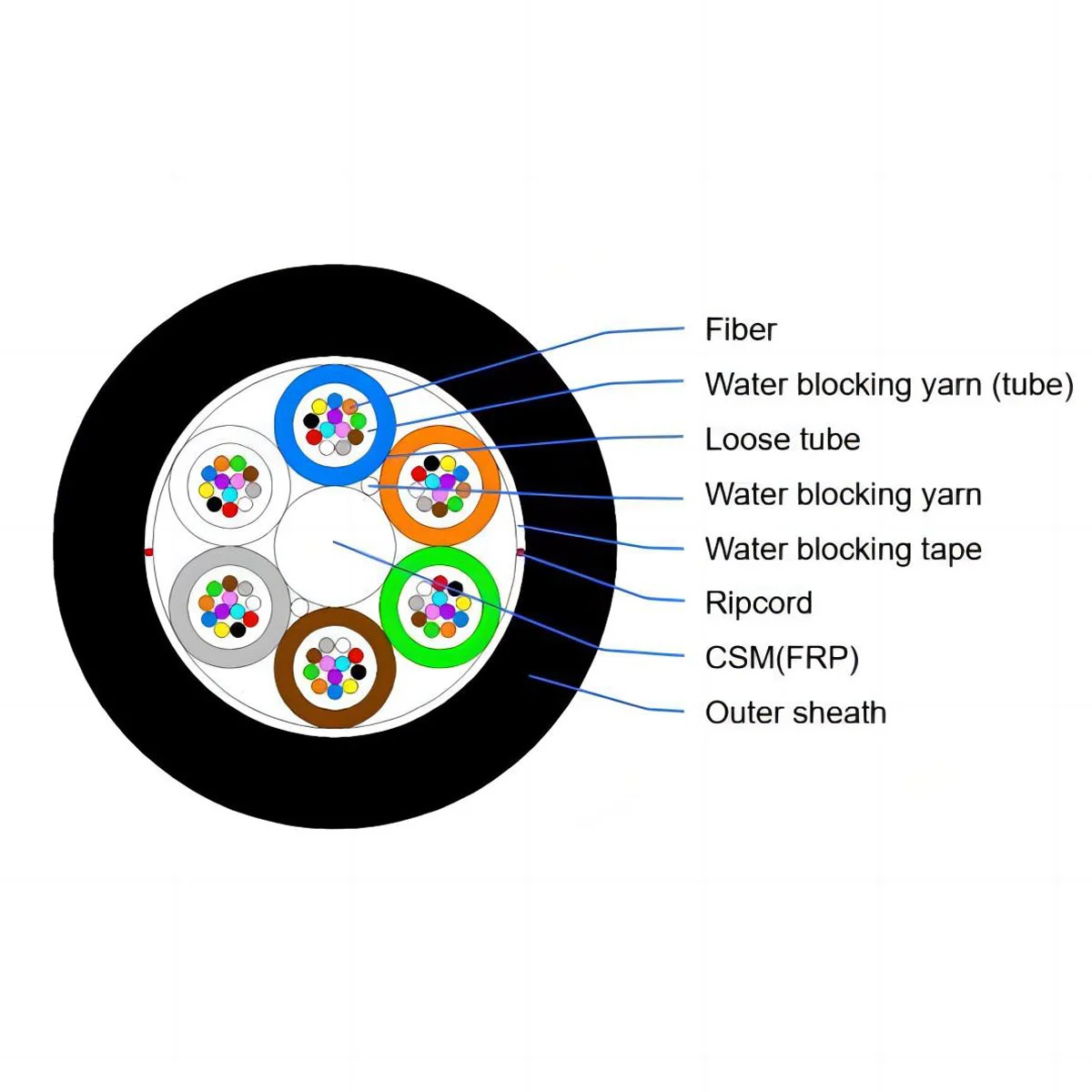
In today's rapidly evolving communication landscape, the fiber optic signal and fiber optic route form the foundational core of global high-speed information transmission. A fiber optic signal is the information carrier transmitted through optical fiber, where electrical signals are converted into light signals using laser or LED sources. The fiber optic route refers to the path that the optical signal follows within the transmission network—serving as both a logical and physical conduit essential to the overall fiber optic communication system.
Compared to traditional electrical signals, the fiber optic signal offers unmatched transmission advantages.
Ultra-High Speed
Light travels at near light speed within the fiber, and a single fiber can easily achieve data transmission rates exceeding terabits per second (Tbps), perfectly meeting the demands of high-definition video, big data, and cloud computing.
Extremely Low Attenuation
In standard communication fibers, the fiber optic signal experiences signal loss of only around 0.2 dB per kilometer, far outperforming traditional media like copper cables, greatly enhancing long-distance transmission stability and cost-efficiency.
Strong Resistance to Interference
Unaffected by electromagnetic interference, the fiber optic signal ensures high-fidelity data transmission even in harsh electromagnetic environments—ideal for industrial, medical, and military precision applications.
The fiber optic route is more than a physical connection—it embodies the logical framework of network routing and transmission.
Dynamic, Adaptive Path Selection
With technologies like SDN (Software-Defined Networking) and WDM (Wavelength Division Multiplexing), the fiber optic route can automatically optimize itself based on real-time network loads, improving communication efficiency and redundancy.
Support for Large-Scale Deployment
Fiber networks are highly scalable—from local area networks to transcontinental backbones, the fiber optic route offers stable support and is poised to meet the concurrent needs of trillions of IoT devices in the near future.
Excellent Environmental Adaptability
With corrosion resistance and high tensile strength, fiber optic materials can withstand underwater, mountainous, and high-temperature environments, making"one line connecting thousands of miles"a practical reality.
Today, over 90% of international internet traffic is transmitted through submarine fiber optic cables. The fiber optic signal and fiber optic route have become the lifelines of global information exchange. As technologies like 5G, industrial internet, and AI data centers continue to develop, the demand for fiber optic communication will keep rising—evolving toward greater speeds, higher intelligence, and improved energy efficiency.
The fiber optic signal and fiber optic route are core enablers of the modern information society. They not only break through the speed and capacity limits of traditional communication but also set new standards for network security and architectural flexibility. In the age of data explosion, only by harnessing the power of light can we truly achieve seamless global connectivity and intelligent transmission. The road of fiber optics is the highway to our information-driven future.
 Call us on:
  Email Us:
  No.10 Xumutang Road, Lishui Economic Development Zone, Nanjing, China
 EN
EN
 fr
fr  de
de  es
es  ru
ru  pt
pt  ar
ar  vi
vi  th
th  id
id