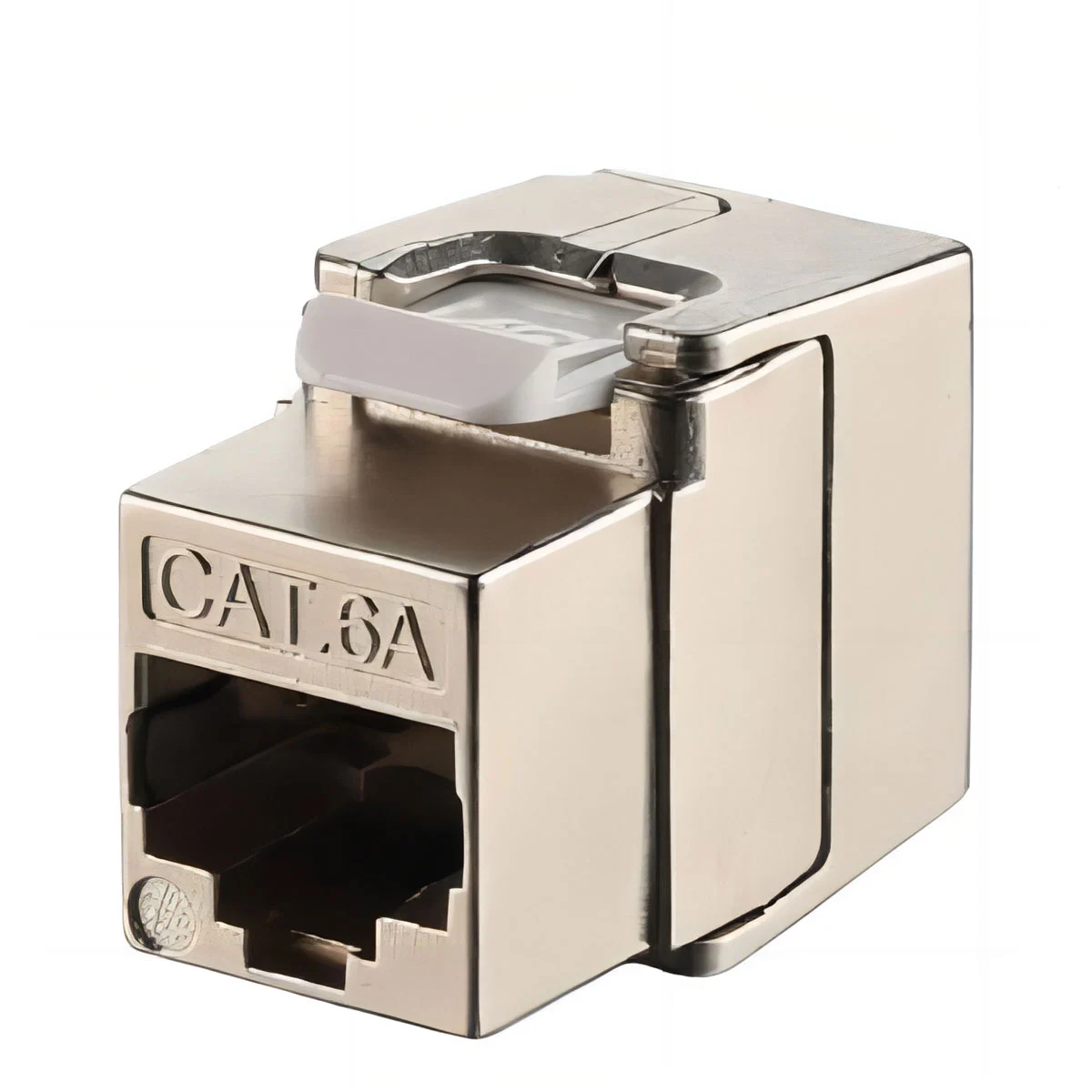
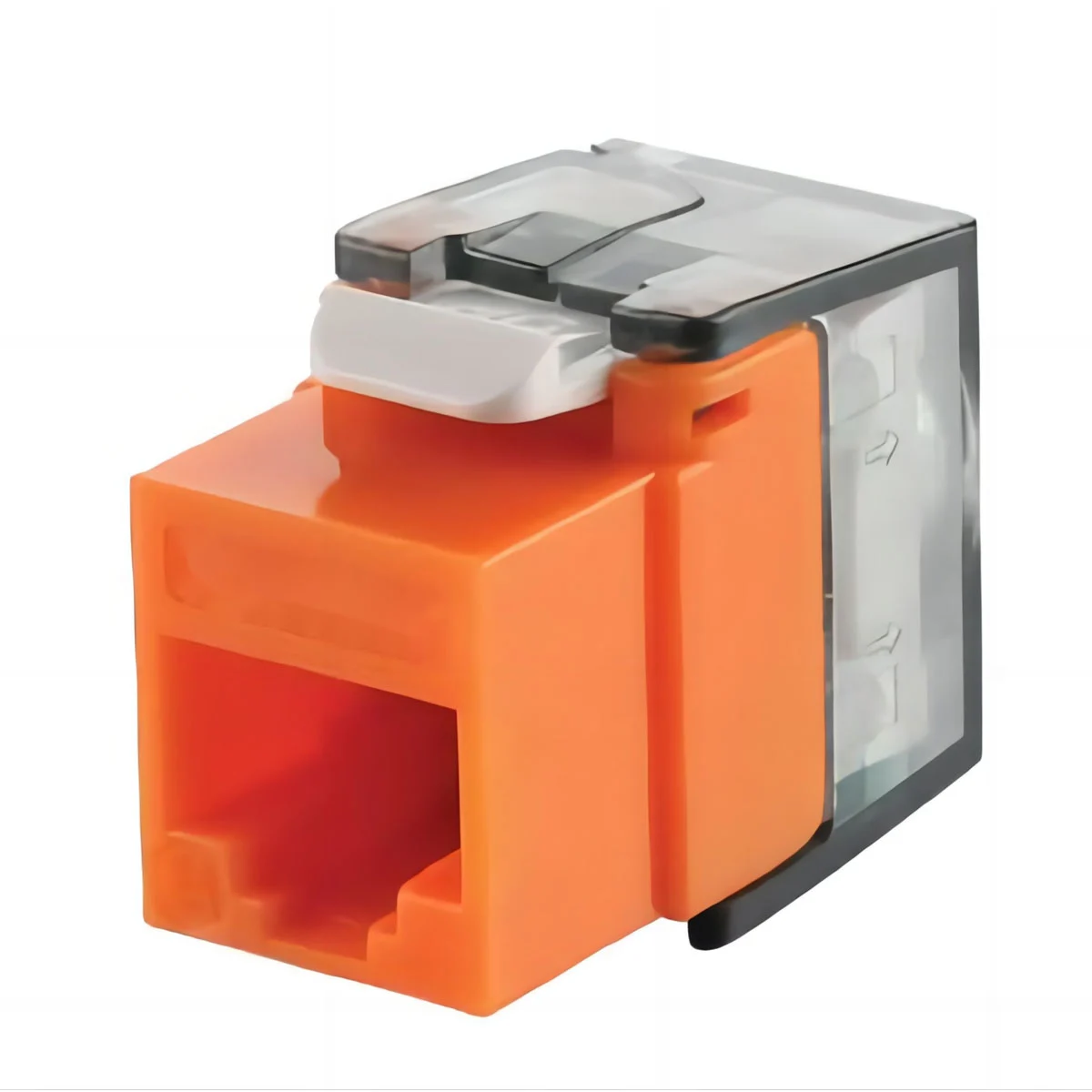
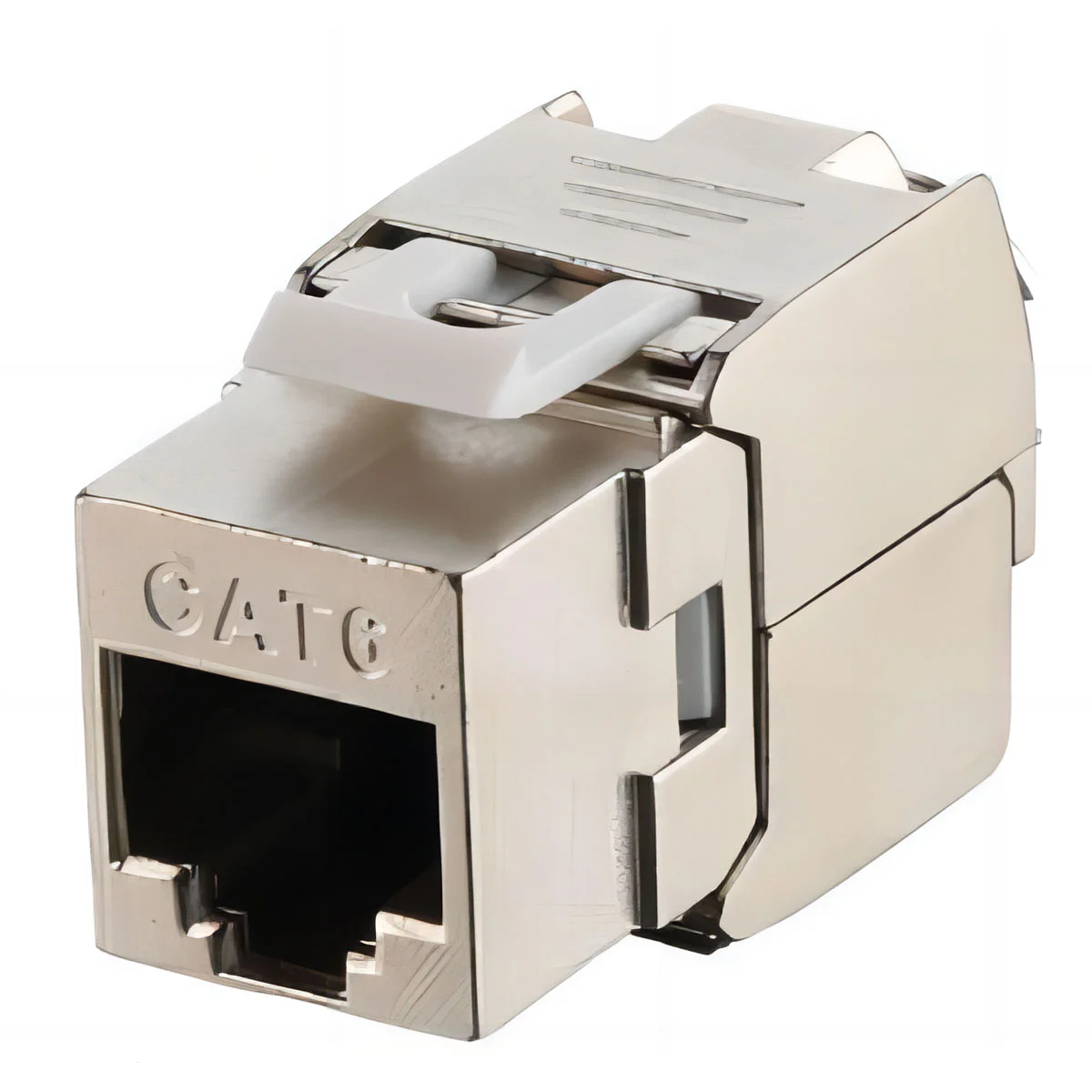
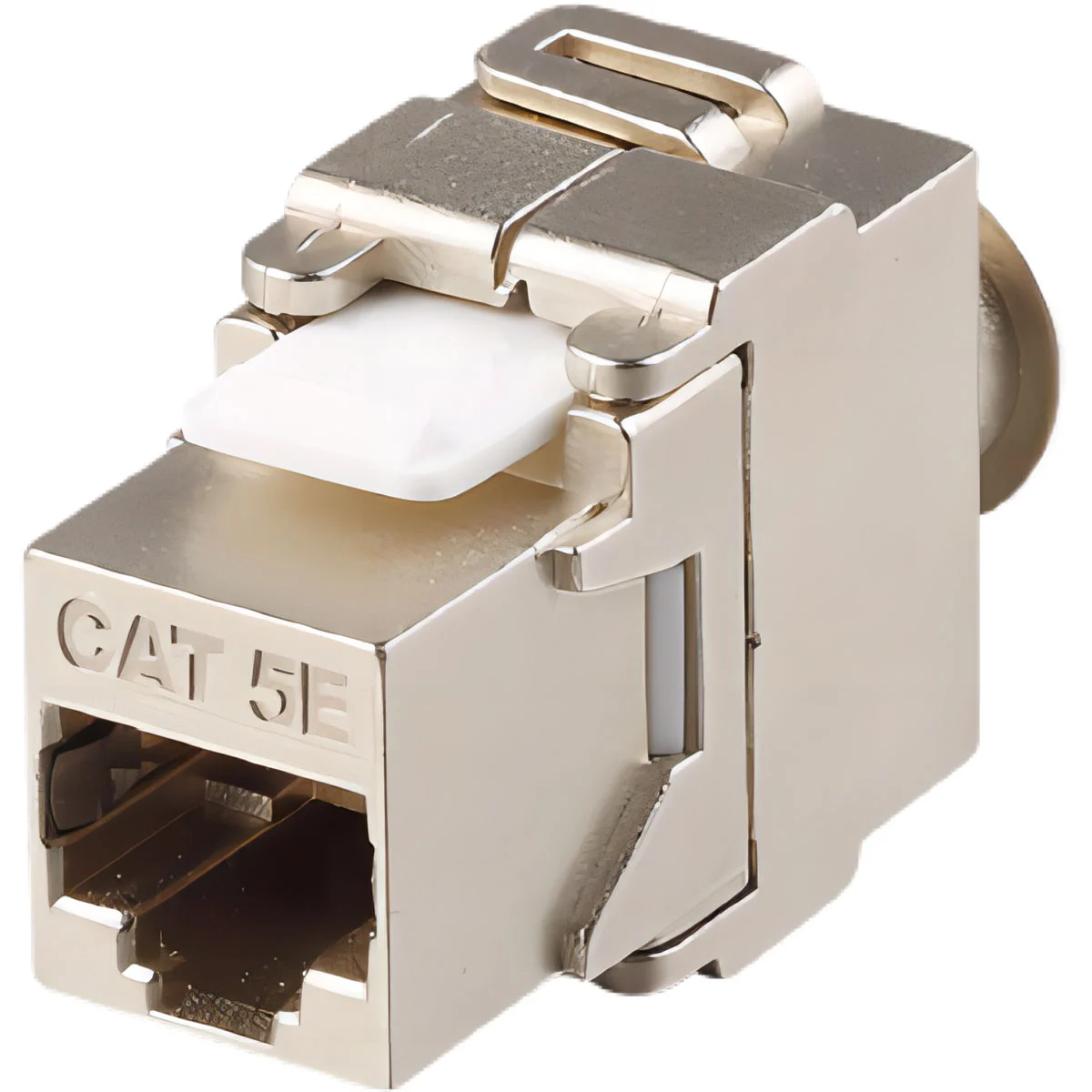
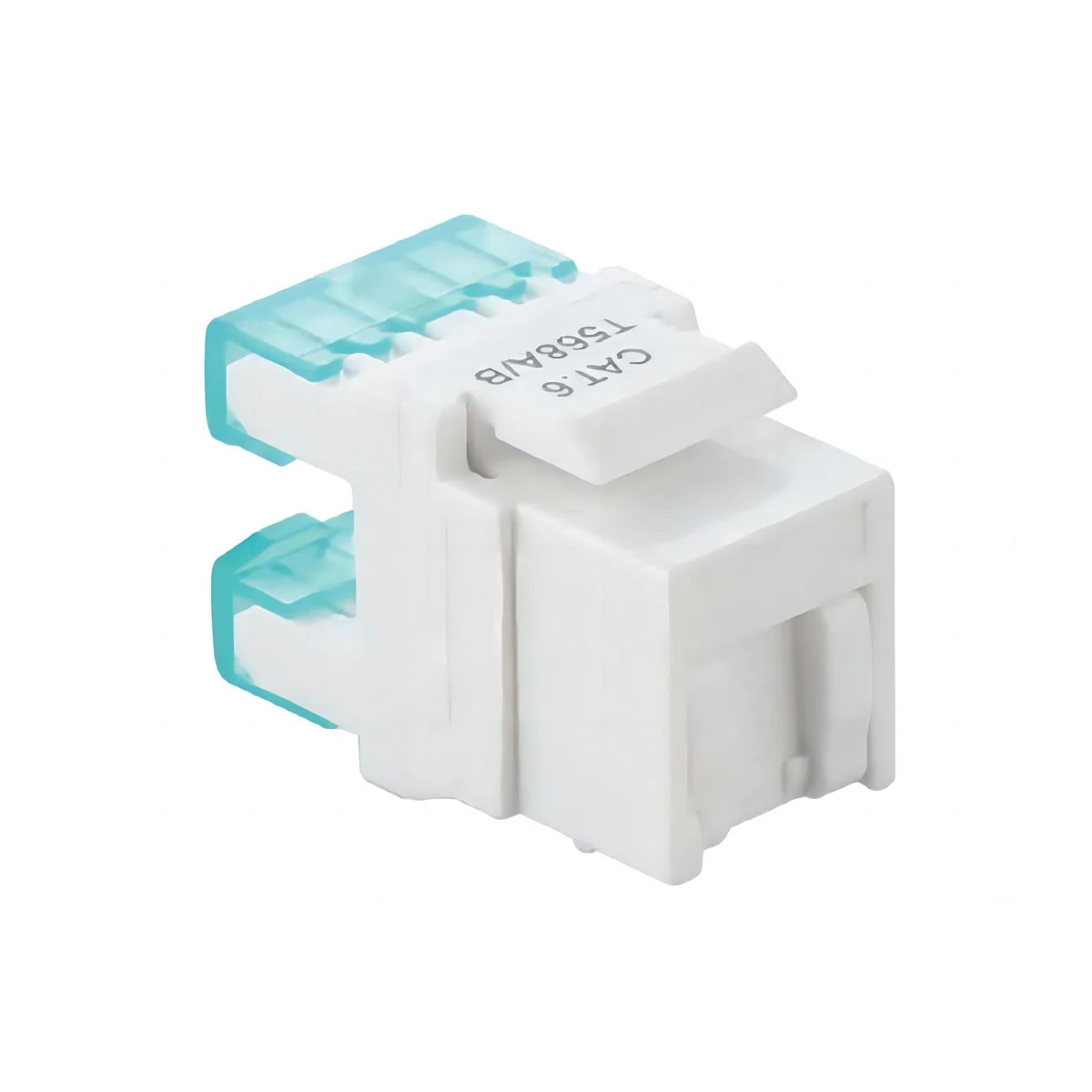
A keystone jack is a standardized,modular,snap-in package for mounting a variety of low-voltage electrical connectors into a keystone wall plate,surface-mount box,or patch panel. Keystone jacks are commonly used in networking and telecommunications to provide a clean and organized way to connect cables to devices and infrastructure—a functionality that relies on consistent quality standards upheld by leading keystone jack manufacturers.
Common Types of Keystone Jack
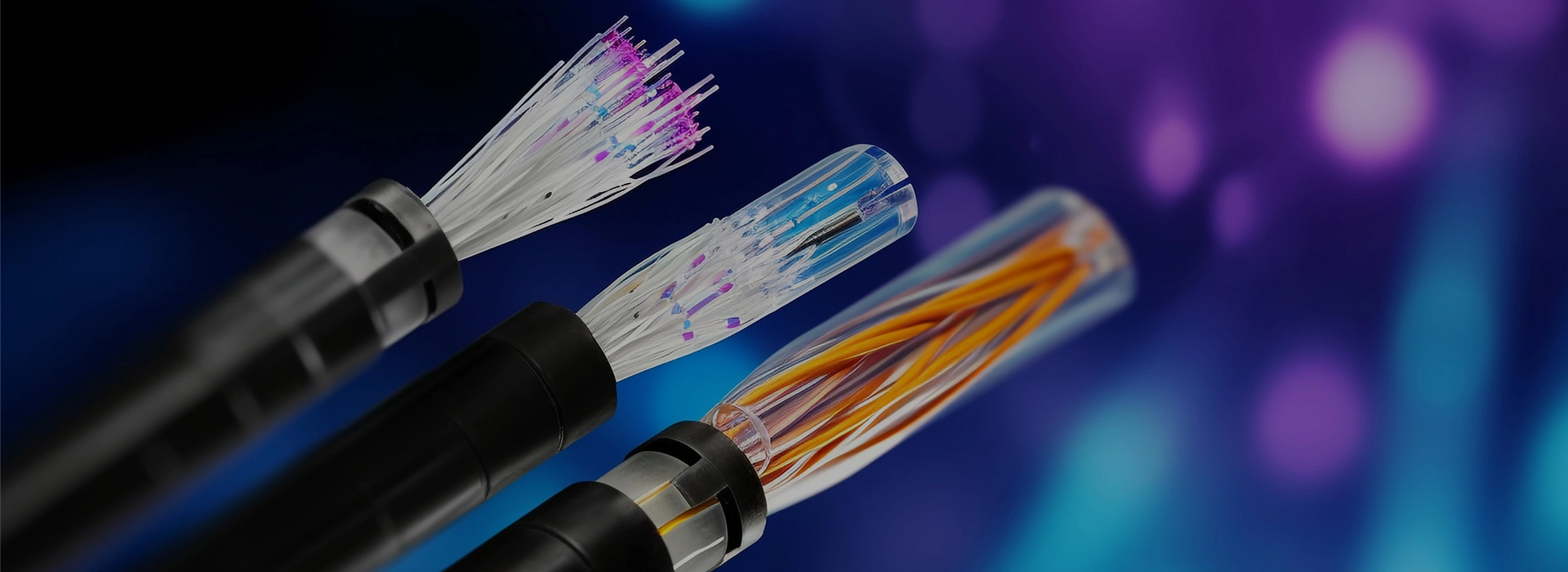
The most common type of keystone jack is the RJ45 keystone jack, including FTP jack variants, primarily used for Ethernet networking. It accommodates CAT5e, CAT6, and CAT6a cables, enabling fast data transmission. These jacks fit into standard wall plates or patch panels, allowing for easy connections in residential and commercial settings, promoting organized and efficient wiring solutions in network installations, including those that utilize a fiber optic keystone jack for high-speed fiber connectivity.
Applications of Keystone Jack
A keystone jack is an essential component in modern networking and telecommunications, serving as an interface for connecting various cabling systems, such as Ethernet or audio/video lines, including fibre keystone jack variants for high-bandwidth fiber optic connections. A shielded keystone jack provides enhanced protection against electromagnetic interference, ensuring more stable signal transmission in demanding environments. Its versatility allows for the seamless integration of different media types, and when installed in a network wall plate, it facilitates efficient organization and clean deployment of structured cabling systems. By enabling a tidy and organized cabling infrastructure, keystone jacks enhance signal integrity and simplify troubleshooting, making them an invaluable asset in data centers, offices, and home entertainment systems alike—a versatility that extends to the fiber keystone jack for high-speed optical networks.

 EN
EN
 fr
fr  de
de  es
es  ru
ru  pt
pt  ar
ar  vi
vi  th
th  id
id 




 Call us on:
  Email Us:
  No.10 Xumutang Road, Lishui Economic Development Zone, Nanjing, China