FTP patch panel vs UTP patch panel is mainly a decision about EMI protection, grounding requirements, and total system cost. If your network environment has high electromagnetic interference (EMI) or you are deploying shielded cabling (FTP/STP), you should choose an FTP patch panel with proper grounding support. If the environment is clean and cost-sensitive, a UTP patch panel is sufficient and more economical. The key is not just the panel itself, but whether your entire structured cabling system is designed for shielding continuity and grounding integrity.
A UTP patch panel (Unshielded Twisted Pair) is designed for standard Ethernet cabling without shielding. It does not require grounding and is typically used in office environments with low EMI.
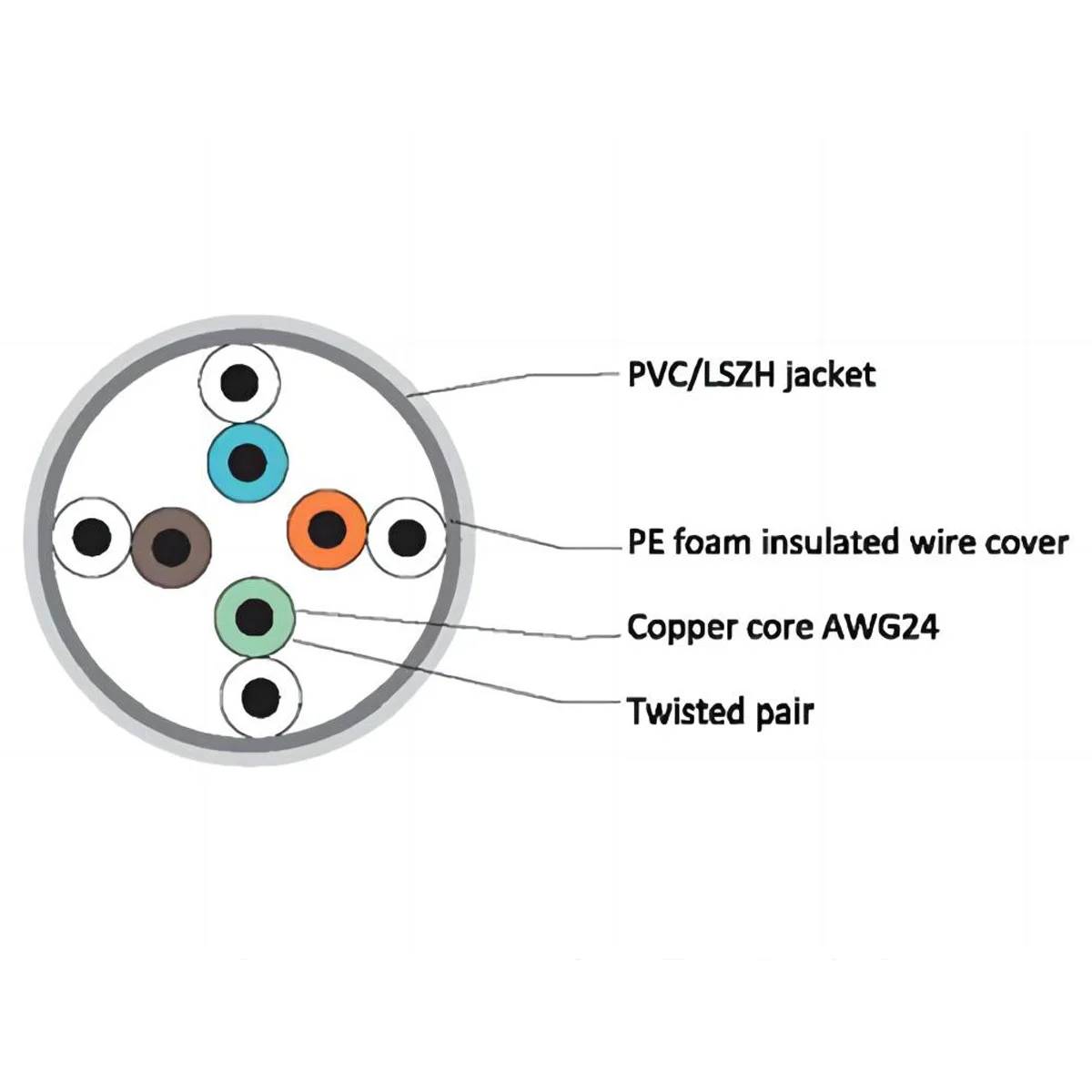
A FTP patch panel (Foiled Twisted Pair) is designed for shielded cabling systems. It includes grounding points to ensure the cable shield is continuously connected to the rack/earthing system, reducing EMI and crosstalk.
In structured cabling systems like those offered by HEDOT, FTP patch panels are typically used in data centers, industrial environments, and high-density switching rooms.
The differences are not only structural but also system-level. The performance depends on whether shielding continuity is maintained across the entire link (cable → jack → panel → rack → ground).
Feature | FTP Patch Panel | UTP Patch Panel |
Cable Type Supported | Shielded (FTP/STP) | Unshielded (UTP) |
EMI Protection | High | Low |
Grounding Requirement | Required | Not required |
Installation Complexity | Higher | Lower |
Cost | Higher | Lower |
Typical Use Case | Data centers, industrial networks | Offices, SMB networks |
Signal Stability in EMI | Strong | Moderate |
A common mistake is mixing FTP cables with UTP patch panels, which breaks shielding continuity and reduces EMI performance significantly.
The most important reason to choose an FTP patch panel is electromagnetic interference (EMI) control.
Industrial automation floors (motors, VFDs). Elevator shafts and mechanical rooms. High-density server racks. Power distribution proximity. 10G/25G/40G+ high-speed networks.
In these environments, shielding only works if: FTP cable is used. Shielded keystone jacks are used. FTP patch panel provides grounding contact. Rack is properly bonded to earth. Without grounding, FTP becomes “floating shield” and may even worsen noise.
For high-speed deployments like 10G/40G structured cabling, FTP patch panels are strongly recommended to maintain signal integrity and reduce retransmission rates.
Choosing between FTP and UTP is often a trade-off between CAPEX (initial cost) and network stability.
Shielded cable (higher cost than UTP). Shielded keystone jacks. FTP patch panel with grounding bar. Additional grounding labor and testing.
Office LAN (no heavy machinery). Short cable runs (<90m). Low-speed networks (1G standard). Budget-sensitive projects
EMI-heavy environments. Mission-critical systems (finance, healthcare, industrial control). High-speed data center networks. Long-term infrastructure stability requirement.
A well-designed FTP system reduces downtime cost, which often outweighs the initial hardware premium.
FTP patch panel installation is not plug-and-play like UTP. It must be integrated into the rack grounding system properly.
Ensure rack has grounding busbar. Use shielded patch cords for continuity. Avoid mixing FTP and UTP components in the same channel. Maintain consistent shielding from end to end. Test grounding resistance after installation.
In structured cabling systems, patch panels are typically mounted in 19-inch racks alongside cable managers and fiber distribution units.
Recommended architecture:
Top: cable management bar.
Middle: FTP patch panel.
Bottom: network switches.
This layout improves airflow and maintenance access.
Before purchasing, evaluate the following:
 Supports Cat6 / Cat6A shielded keystone jacks. Has grounding bar or earthing terminal. Compatible with 19-inch rack systems. Verified shielding continuity design. Meets ISO/IEC 11801 or TIA standards.
EMI environment assessment completed. Cable type confirmed (FTP vs UTP). Rack grounding system available. Bandwidth requirement defined (1G / 10G / 40G). Maintenance access planned
Choose FTP only when shielding is system-wide. Avoid partial shielding deployments. Standardize patch panel type across the project.
Technically yes, but it breaks shielding continuity and reduces EMI protection. Not recommended.
Only when the entire system is properly grounded. Without grounding, benefits are limited.
Usually no. UTP is sufficient for standard office environments.
The shield may act as an antenna, increasing noise instead of reducing it.
FTP is generally preferred in modern data centers due to higher EMI control requirements.
Yes, typically 15–40% higher depending on cable type, accessories, and grounding labor.
The choice between FTP patch panel and UTP patch panel is not just a product decision—it is a system architecture decision. FTP patch panels are essential for shielded cabling environments where EMI control, grounding integrity, and high-speed stability are required. UTP patch panels remain the most cost-effective solution for standard office networks.
For industrial-grade structured cabling, selecting the right FTP panel ensures long-term signal reliability and reduces troubleshooting costs.
If you are designing or upgrading a structured cabling system, aligning patch panel selection with shielding strategy is critical for performance and compliance.
For project support, technical specifications, or OEM customization, contact us to request specifications, bulk quotation, or OEM support for FTP patch panel solutions from HEDOT.
 Call us on:
  Email Us:
  No.10 Xumutang Road, Lishui Economic Development Zone, Nanjing, China
 EN
EN
 fr
fr  de
de  es
es  ru
ru  pt
pt  ar
ar  vi
vi  th
th  id
id