For networks installed in environments with electromagnetic interference (EMI), CAT6 FTP cable is usually a better choice than UTP cable because its shielding layer helps reduce external interference and improves signal stability. However, UTP cables remain a cost-effective solution for standard office networks where EMI risks are low.
Choosing between CAT6 FTP and UTP cables depends on factors such as installation environment, interference level, grounding requirements, network performance expectations, and long-term reliability.
This guide compares cat6 ftp cable vs UTP cable, explains their differences, and provides practical recommendations for selecting the right cable for enterprise networks, data centers, industrial facilities, and other EMI-sensitive applications.
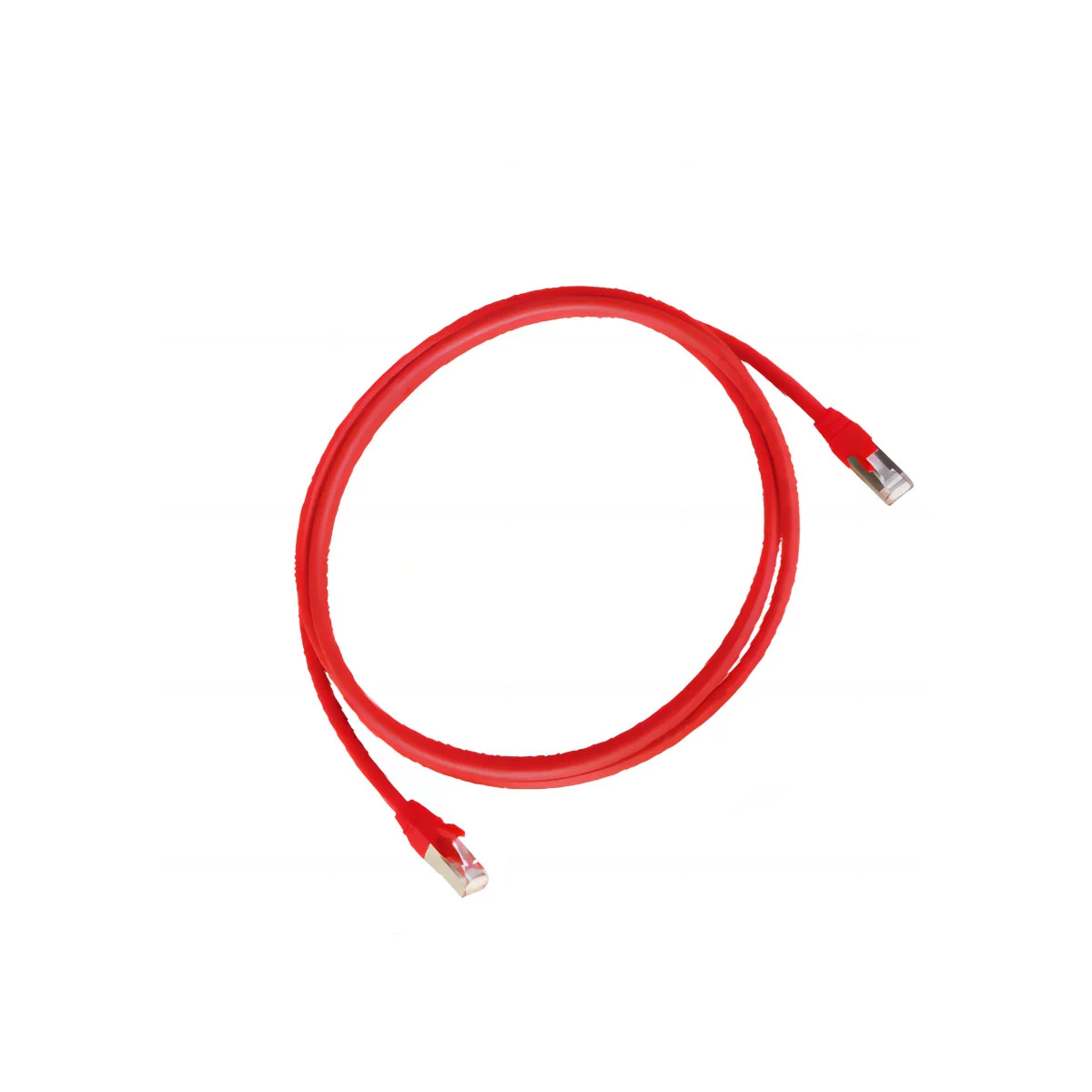
A CAT6 FTP cable (Foiled Twisted Pair cable) is a Category 6 Ethernet cable that includes an additional foil shielding layer around the twisted pairs or the entire cable structure. This shielding helps protect data transmission from electromagnetic interference and radio frequency interference (RFI). The cable uses a twisted pair cable structure with individually twisted copper wire pairs, which helps reduce electromagnetic interference and maintain signal quality during data transmission.
Like standard CAT6 UTP cables, CAT6 FTP cables support Gigabit Ethernet and can typically handle transmission speeds up to 1 Gbps over 100 meters under compliant installation conditions. The main difference is the added protection against external electrical noise.
Common applications for CAT6 FTP cables include:
Industrial automation networks
Data centers with high-density equipment
CCTV and security systems
Healthcare facilities
Manufacturing environments
Areas near motors, generators, and power cables
For projects requiring stable performance in challenging environments, many network engineers choose shielded solutions such as CAT6 FTP cables instead of unshielded alternatives.
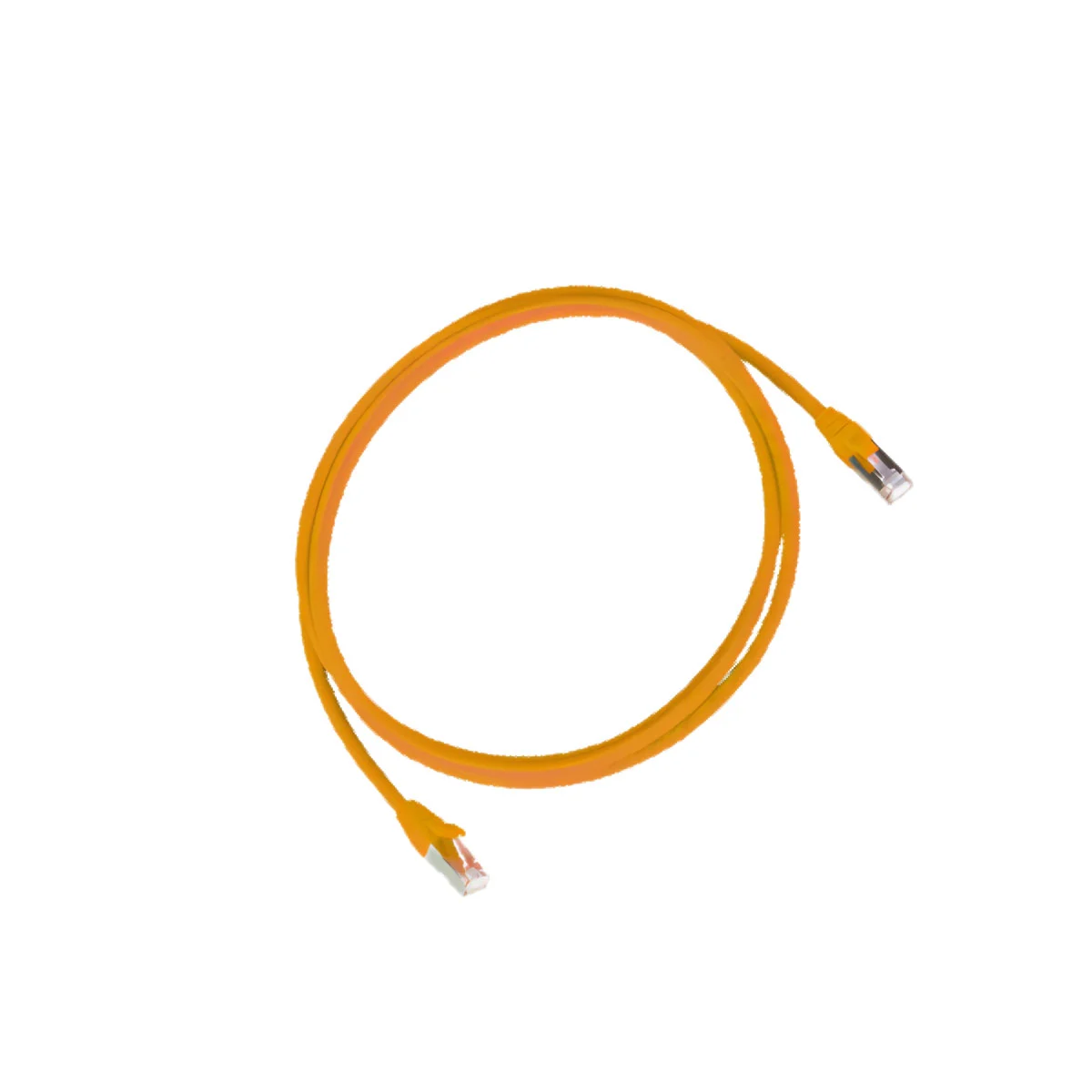
A CAT6 UTP cable (Unshielded Twisted Pair cable) is a standard Ethernet cable without additional shielding. It relies on the twisted pair structure itself to reduce electromagnetic interference. As defined by Category 6 cable specifications, CAT6 cabling is designed to provide improved performance for Ethernet networks through better bandwidth capability and crosstalk control compared with previous cable categories.
Because it does not include a foil or braided shield, UTP cable is:
Lightweight
Flexible
Easier to install
More affordable
CAT6 UTP cables are widely used in:
Office buildings
Schools
Residential networks
Commercial LAN systems
General structured cabling projects
In environments with limited electrical interference, UTP cable provides reliable network performance while reducing installation complexity and overall project costs.
The main difference between cat6 ftp and UTP cables is shielding protection. FTP cables provide additional EMI resistance, while UTP cables are designed for normal networking environments.
Feature | CAT6 FTP Cable | CAT6 UTP Cable |
Shielding | Foil shielding layer | No additional shielding |
EMI Protection | High | Moderate |
Installation Difficulty | Requires proper grounding | Easier installation |
Cable Flexibility | Slightly less flexible | More flexible |
Cost | Higher | Lower |
Best Application | Industrial and EMI-sensitive areas | Offices and standard LAN environments |
Maintenance Requirements | Requires correct grounding practices | Simpler maintenance |
The choice is not simply about choosing the “higher specification” cable. A properly installed UTP system can perform well in suitable environments, while FTP cable provides additional protection where interference could affect network reliability.
Electromagnetic interference can reduce network performance by causing signal distortion, packet loss, and unstable connections. This is especially common in environments containing:
Heavy machinery
Electrical distribution equipment
High-voltage cables
Wireless transmission devices
Industrial control systems
A cat6 ftp cable helps minimize these risks through its shielding structure.
The foil shield creates a barrier that reduces external electromagnetic noise entering the cable. This improves signal integrity, especially when multiple cables are installed close together.
Factories and automation facilities often contain equipment generating electrical noise. Using CAT6 FTP instead of standard UTP can help maintain more consistent network communication.
In large network cabinets and data centers, many cables may run together. Shielded cables provide additional protection against interference between adjacent cables, while compatible accessories such as ftp cat6 patch cord products help maintain stable connections in structured cabling systems.
Although FTP cables typically have higher initial costs, they may reduce troubleshooting and downtime risks in critical network applications.
Selecting the correct cable depends mainly on the installation environment.
Choose CAT6 FTP cable when:
The network is installed near power equipment
The facility contains industrial machinery
Cable routes run alongside electrical cables
Network downtime would create significant losses
Stable performance is more important than minimum cost
Choose CAT6 UTP cable when:
The installation is in a standard office environment
EMI exposure is limited
Budget efficiency is a priority
Simple installation is required
According to structured cabling standards, proper cable selection, installation methods, and grounding practices are essential for achieving expected network performance.
Before purchasing ftp cat6 cable, consider the following factors:
Evaluate whether the installation area has EMI risks from machinery, power systems, or industrial equipment.
Verify that the cable meets required performance standards, such as Category 6 specifications and relevant international cabling requirements.
Shielded cables require correct grounding practices. Poor grounding may reduce the benefits of FTP shielding.
For different installation environments, choose suitable jacket materials such as PVC or LSZH depending on safety and project requirements.
For bulk projects, confirm:
Conductor material
Shielding structure
Transmission performance
Testing reports
OEM capability
Working with an experienced CAT6 FTP cable manufacturer can help ensure consistent quality for large-scale deployments.
CAT6 FTP means Category 6 Foiled Twisted Pair cable. It includes foil shielding designed to reduce electromagnetic interference and improve transmission stability.
CAT6 FTP is better for environments with EMI risks, while UTP is often sufficient for standard office and commercial networks. The better choice depends on the installation conditions.
Yes. Shielded FTP cables should be properly grounded according to installation requirements to achieve effective EMI protection.
Yes. A properly installed CAT6 FTP cable can support Gigabit Ethernet applications and meet Category 6 transmission requirements.
Yes. CAT6 FTP is commonly used in industrial environments where electromagnetic interference may affect network stability.
The choice depends on the data center design, equipment density, and EMI conditions. High-density environments with potential interference may benefit from shielded CAT6 FTP solutions.
The decision between CAT6 FTP and UTP cable should be based on the actual network environment rather than cost alone.
For standard office networks, CAT6 UTP provides a practical and economical solution, especially when combined with compatible components such as utp cat6 patch panel systems for structured network deployment. For industrial facilities, high-density installations, and EMI-sensitive applications, CAT6 FTP cable offers better protection and improved reliability.
Selecting the right cabling solution at the beginning of a project can help reduce future maintenance costs and ensure stable network performance.
HEDOT specializes in structured cabling solutions, including CAT6 FTP cables, CAT6 UTP cables, and customized network cable products for global B2B customers.If you need CAT6 FTP cable specifications, bulk pricing, OEM solutions, or customized cable support, contact us for professional assistance.
Wikipedia – Twisted Pair Cable
https://en.wikipedia.org/wiki/Twisted_pair
Wikipedia – Category 6 Cable
https://en.wikipedia.org/wiki/Category_6_cable

 Call us on:
  Email Us:
  No.10 Xumutang Road, Lishui Economic Development Zone, Nanjing, China
 EN
EN
 fr
fr  de
de  es
es  ru
ru  pt
pt  ar
ar  vi
vi  th
th  id
id