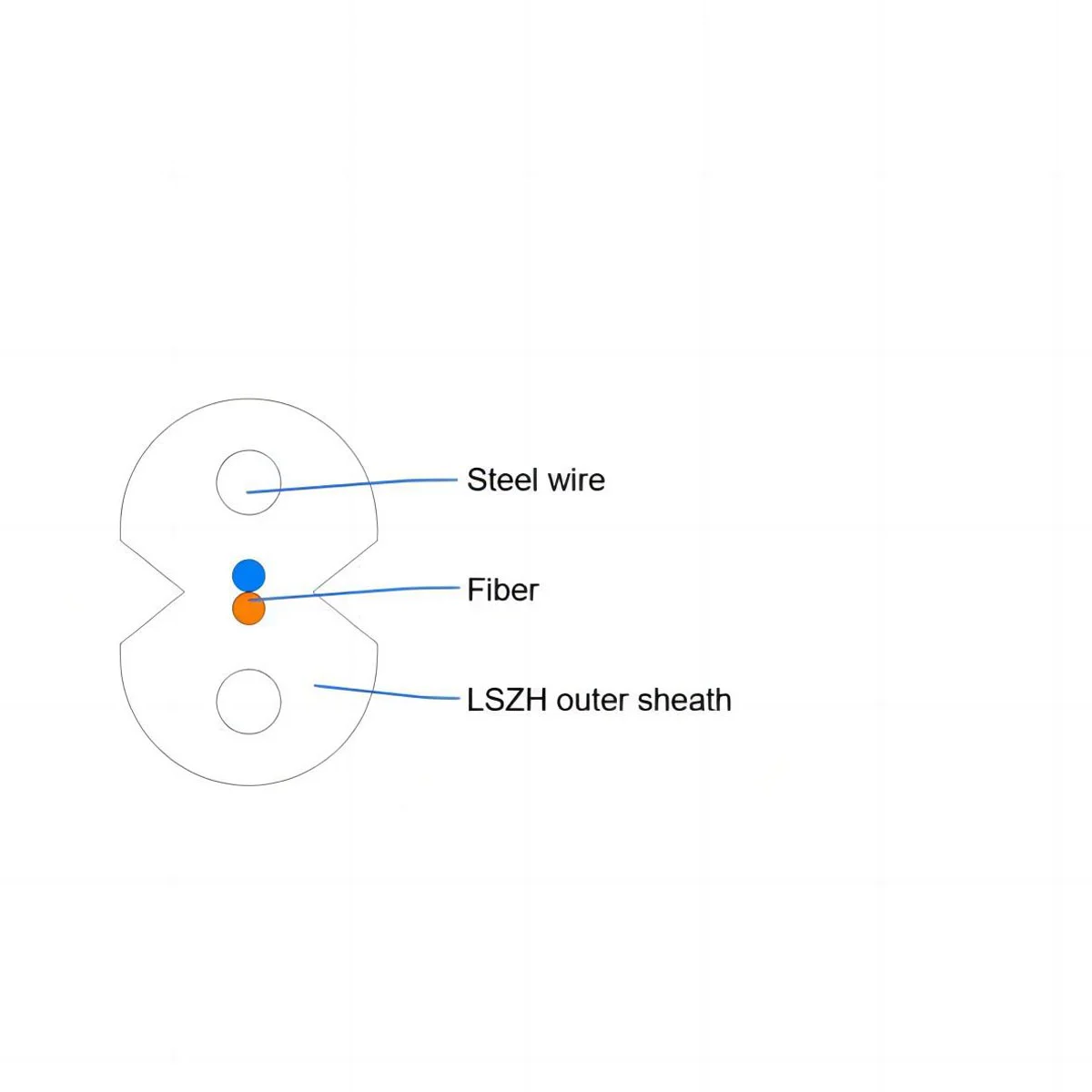
A water blocking cable is designed to prevent moisture from traveling along the cable structure and protect optical fibers or conductors from water damage. The two most common waterproofing methods are dry water blocking technology and gel-filled cable construction. Dry water blocked cables use swelling tapes, yarns, or powders to block water without filling the cable with gel, while gel-filled cables rely on petroleum-based compounds to stop moisture penetration.
For telecom operators, data center contractors, and infrastructure installers, choosing between dry water blocking cable and gel-filled cable depends on installation environment, maintenance requirements, cable handling efficiency, and long-term reliability.
This guide explains the differences between these two cable designs, their advantages and limitations, and how to select the right water blocked cable for different outdoor fiber network applications。
A water blocking cable is a type of outdoor fiber optic cable engineered with moisture protection materials that prevent longitudinal water migration inside the cable. Reliable fiber optic communication systems require cable structures that maintain signal stability and protect transmission performance in different environmental conditions.
When outdoor cables are exposed to rain, underground moisture, flooding, or damaged cable jackets, water can enter through small openings. Without effective blocking technology, moisture may travel along the cable length and eventually reach sensitive fiber components, causing:
Increased optical attenuation
Fiber corrosion or degradation
Reduced transmission stability
Higher maintenance costs
Shortened cable service life
Water blocking technology creates a barrier that limits water movement and protects the internal cable structure.
Modern water blocking cable designs commonly use:
Water swelling yarn
Water blocking tape
Super absorbent polymer (SAP) materials
Gel compounds
Different materials provide different installation experiences and maintenance requirements.
Both dry and gel-filled designs provide moisture protection, but their internal structures and field performance are different.
Comparison Factor | Dry Water Blocking Cable | Gel-Filled Cable |
Water blocking method | Swelling yarn, tape, or powder absorbs water and expands | Gel compound physically blocks water movement |
Cable preparation | Cleaner and faster stripping | Requires gel cleaning before splicing |
Installation efficiency | High, suitable for large-scale deployment | Slower due to gel removal process |
Maintenance | Easier for technicians | More labor required during repair |
Environmental performance | Stable in various outdoor conditions | Good water resistance but affected by temperature changes |
Cable weight | Usually lighter | Usually heavier due to gel filling |
Long-term maintenance cost | Lower labor cost | Higher cleaning and handling cost |
Common applications | FTTH networks, telecom backbone, outdoor fiber systems | Traditional underground and long-distance fiber networks |
For many modern fiber deployment projects, dry water blocking cable has become increasingly popular because it improves installation efficiency while maintaining reliable moisture protection.
Dry water blocking technology replaces traditional gel materials with dry moisture-resistant components.
Typical dry designs include water swelling yarns or tapes placed around the optical fibers. When water enters the cable, these materials quickly absorb moisture and expand, creating a physical barrier that prevents further water movement.
1. Faster installation
Because there is no gel filling inside the cable, technicians can prepare the cable faster during termination and splicing.
This is especially valuable for large projects where installation speed directly affects labor costs.
2. Cleaner maintenance process
Gel-filled cables require technicians to remove sticky compounds before fiber connection. Dry cables eliminate this cleaning step, making field maintenance simpler.
3. Lower operating costs
Although initial cable costs may vary, dry water blocking cable can reduce long-term maintenance expenses due to easier handling and faster repairs.
4. Better suitability for modern networks
As fiber networks expand into cities, industrial areas, and smart infrastructure projects, installers increasingly prefer cable designs that improve deployment efficiency.
For projects requiring reliable outdoor fiber protection, selecting an experienced fiber optic cable manufacturer with proven water blocking technology is essential. HEDOT provides customized fiber optic cable solutions, including water blocking cable designs for telecom, industrial, and outdoor network applications.
Gel-filled cable has been widely used in outdoor fiber networks for decades. The cable contains a water-resistant gel compound surrounding the fiber elements.
The gel creates a barrier that prevents water from flowing through the cable core.
Strong resistance against water penetration. Mature manufacturing technology. Suitable for many underground applications. Proven performance in long-distance communication networks.
However, gel-filled cables also have several limitations: The gel may become messy during installation. Cleaning requires additional tools and time. Repairs can be more complicated. Cable preparation efficiency is lower compared with dry designs
For large-scale telecom construction projects where installation speed and maintenance efficiency are priorities, dry water blocking solutions are often considered a more practical option.
Selecting a water blocked cable requires evaluating the project environment, installation method, and future maintenance requirements.
Before purchasing, consider the following factors:
Installation environment
Aerial deployment. Underground ducts. Direct burial applications. Industrial environments. High-moisture areas.
Water blocking structure
Confirm whether the cable uses: Dry water blocking yarn. Water blocking tape. Gel filling. Hybrid protection design.
Fiber count requirements
Select the appropriate cable capacity based on current needs and future network expansion.
Mechanical protection
Check: Tensile strength. Crush resistance. Jacket material. Armoring options.
Compliance standards
Verify whether the cable meets relevant industry standards for optical fiber cable reliability, environmental performance, and mechanical requirements. Commonly referenced specifications such as Telcordia GR-20 provide guidance for evaluating fiber optic cable performance standards, including cable design considerations and durability requirements for communication networks.
Buyers should also consider:
· IEC fiber optic cable standards
· Telcordia GR specifications
· Local telecom requirements
Supplier capability
Evaluate: Manufacturing experience. Quality control system. Customization ability. OEM support availability.
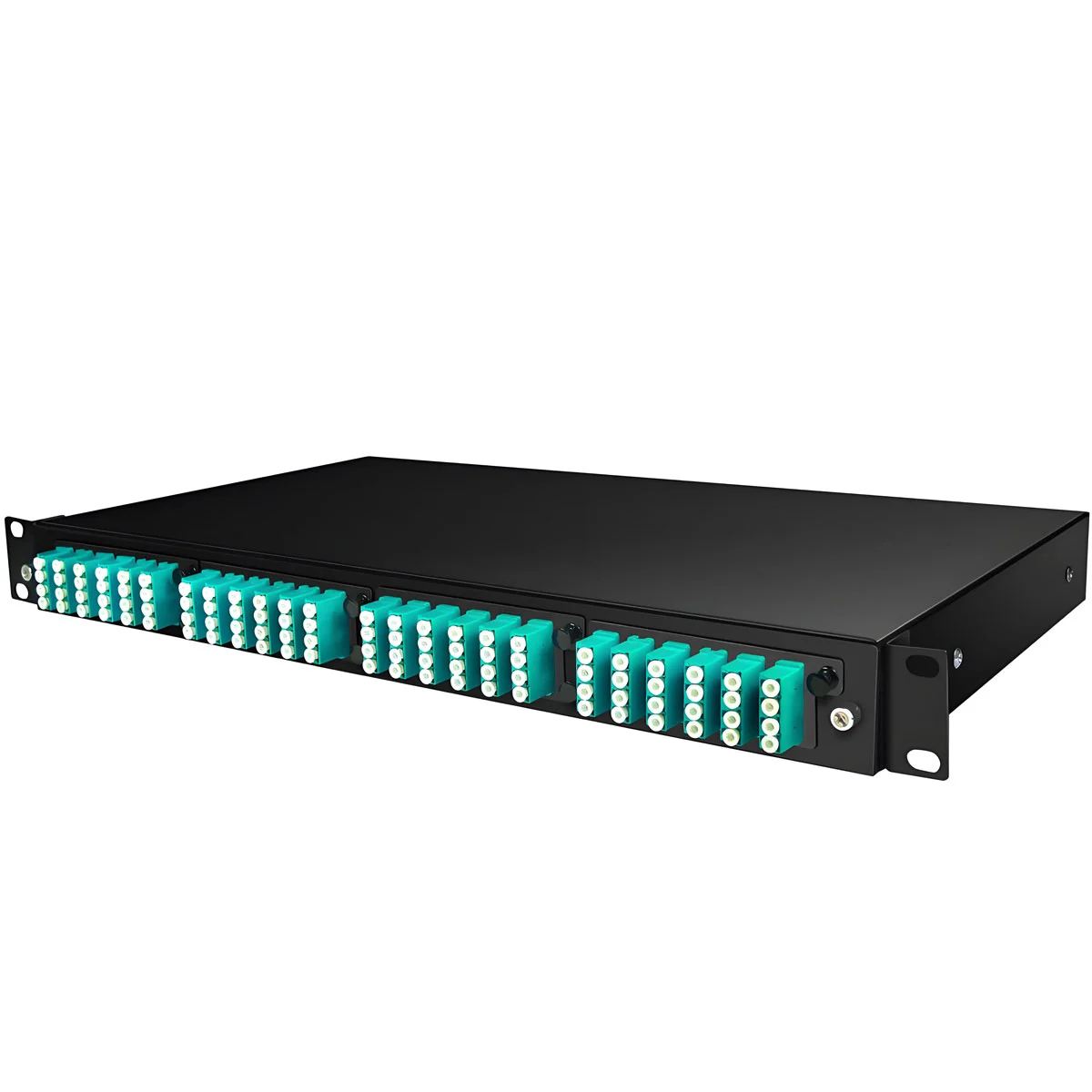
For structured network projects, combining water blocking cable with suitable fiber patch panel solutions can improve overall fiber management efficiency.
Water blocking cables are widely used in outdoor communication networks where moisture protection is essential. Since all outdoor cables are specifically designed to operate in demanding environments, selecting the right cable structure is critical for ensuring long-term reliability in telecom and industrial applications.
Common applications include:
Long-distance fiber routes require reliable moisture protection because cable failures can affect large service areas.
Underground installations face continuous exposure to groundwater and humidity, making water blocking performance critical.
Campus networks and data center connections often require stable outdoor fiber links between buildings, especially when deploying high-speed solutions such as 40g fiber cable for bandwidth-intensive applications.
Factories, transportation systems, and energy facilities need cables that can operate reliably in challenging environments.
When designing complete fiber infrastructure, engineers should also consider cable routing, termination methods, and environmental protection measures. Related components such as fiber optic enclosures help provide additional protection for outdoor connection points.
A water blocking cable prevents water from traveling inside the cable structure by using swelling materials or gel compounds. A waterproof cable generally refers to a broader category of cables designed to resist water exposure externally. Water blocking focuses specifically on preventing longitudinal moisture migration.
Dry water blocking cable is often preferred for modern installations because it provides cleaner handling, faster preparation, and easier maintenance. However, gel-filled cable may still be suitable for specific underground or legacy network applications.
Yes. Water blocking cable is specifically designed for outdoor applications such as aerial, underground, duct, and direct burial fiber networks where moisture protection is required.
No. One of the main advantages of dry designs is that they simplify installation. Technicians do not need to remove gel compounds before splicing, which reduces preparation time.
The service life depends on cable quality, installation conditions, environmental exposure, and maintenance practices. High-quality outdoor fiber cables designed according to industry standards can provide reliable performance for many years.
Buyers should review cable structure, fiber count, mechanical specifications, environmental requirements, certification standards, and supplier manufacturing capabilities before placing bulk orders. For complete fiber network projects, selecting reliable partners such as a china fiber patch panel factory can also help ensure compatibility between cable systems and fiber management components.
Both dry water blocking cable and gel-filled cable provide effective moisture protection, but their advantages differ.
Dry water blocking cable offers easier installation, cleaner maintenance, and better efficiency for many modern fiber deployment projects. Gel-filled cable remains a proven option for applications where traditional designs meet project requirements.
For telecom operators, contractors, and distributors, selecting the right water blocked cable should be based on application environment, installation requirements, and long-term maintenance considerations.
If you need technical specifications, customized cable structures, or large-volume supply support for your fiber network projects, contact us to request specifications, bulk quotation, or OEM support.
Wikipedia – Fiber-optic communication
https://en.wikipedia.org/wiki/Fiber-optic_communication
Telcordia GR-20 – Generic Requirements for Optical Fiber and Optical Fiber Cable
https://en.wikipedia.org/wiki/Telcordia_Technologies

 Call us on:
  Email Us:
  No.10 Xumutang Road, Lishui Economic Development Zone, Nanjing, China
 EN
EN
 fr
fr  de
de  es
es  ru
ru  pt
pt  ar
ar  vi
vi  th
th  id
id