A structured cabling system is a standardized network infrastructure solution that uses organized cabling components including cables, patch panels, jacks, and patch cords to support reliable data transmission in offices, data centers, commercial buildings, and industrial environments. Understanding structured cabling components helps IT managers, system integrators, and B2B buyers select compatible products, improve installation efficiency, and build scalable network solutions.
A complete structured cabling system creates a flexible connection framework between network equipment, work areas, and telecommunications rooms. For professional projects, choosing high-quality components is essential because every part of the cabling chain affects signal performance, maintenance efficiency, and future upgrades.
Structured cabling components are the physical elements used to build a complete passive network infrastructure. The four most important components are network cables, patch panels, keystone jacks, and patch cords.
1. Structured Cabling Cable
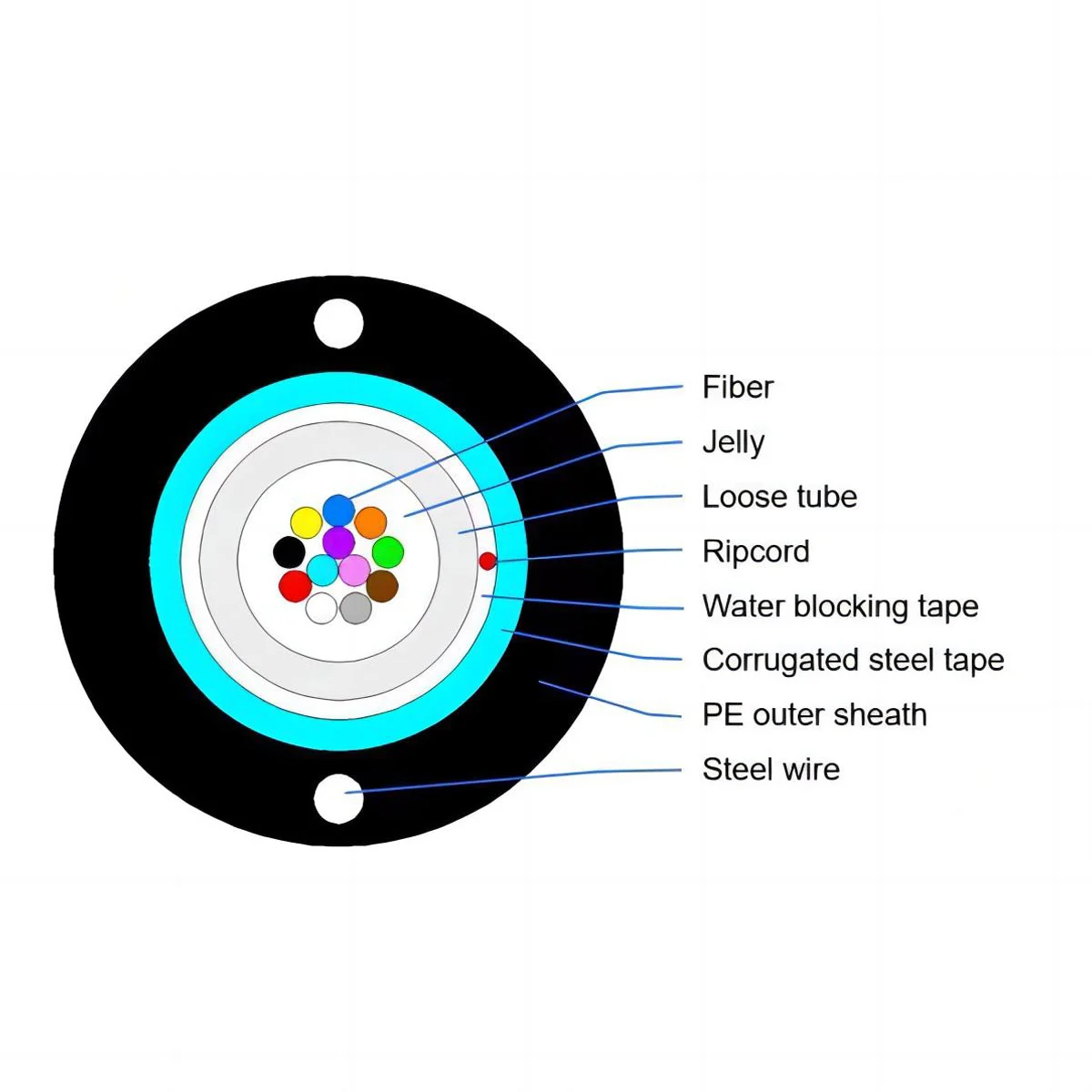
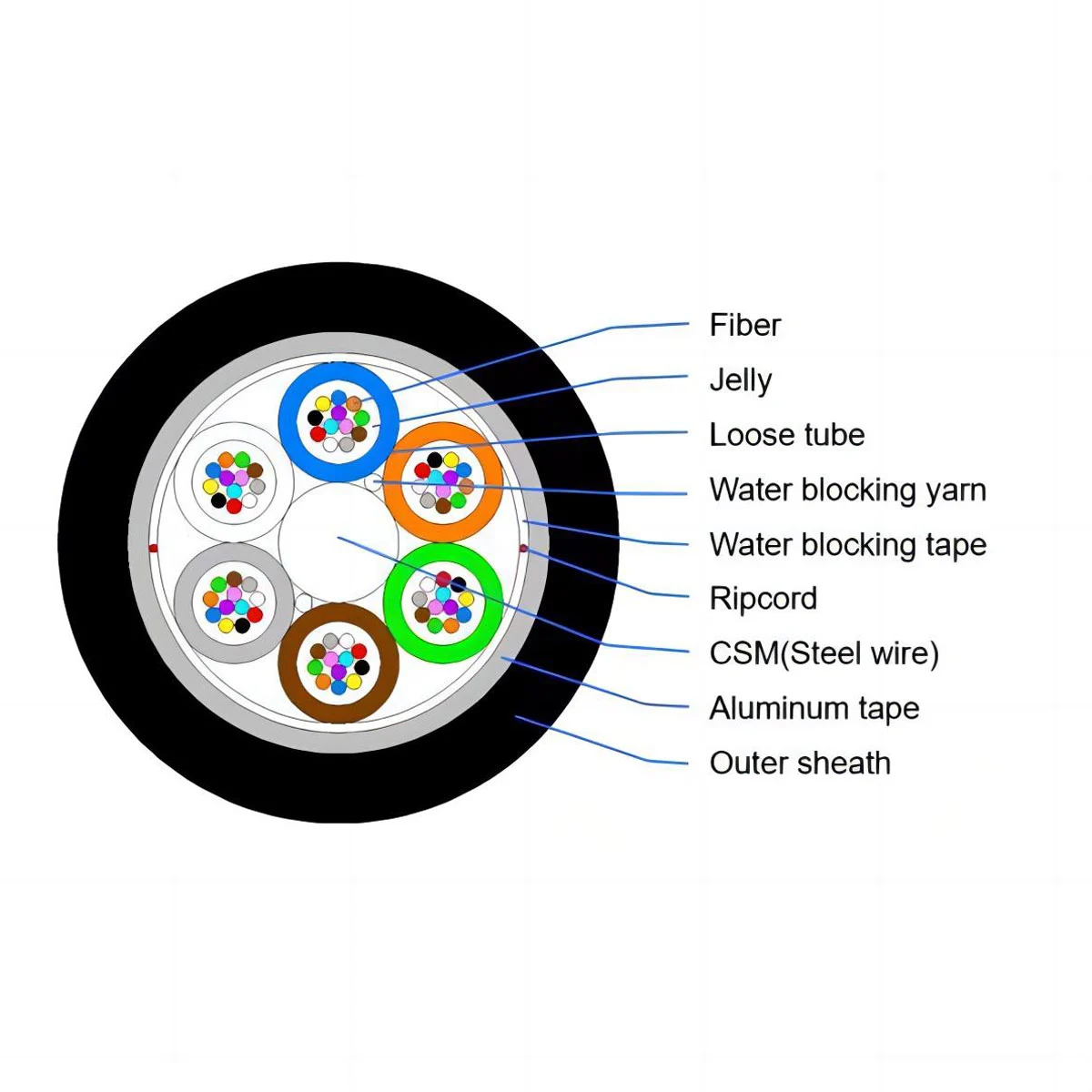
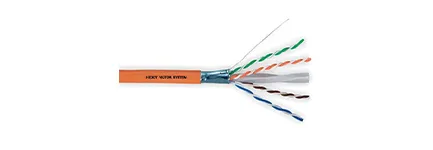
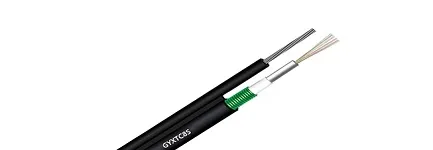
Network cable is the foundation of any structured cabling system. Common options include Cat5e, Cat6, Cat6A, and fiber optic cables. Copper cables are widely used for enterprise LAN applications, while fiber solutions are preferred for high-speed backbone connections.
Communications cables selection depends on bandwidth requirements, transmission distance, installation environment, and future expansion plans. For example, Cat6A cable is commonly selected for projects requiring 10 Gigabit Ethernet performance.
2. Patch Panel
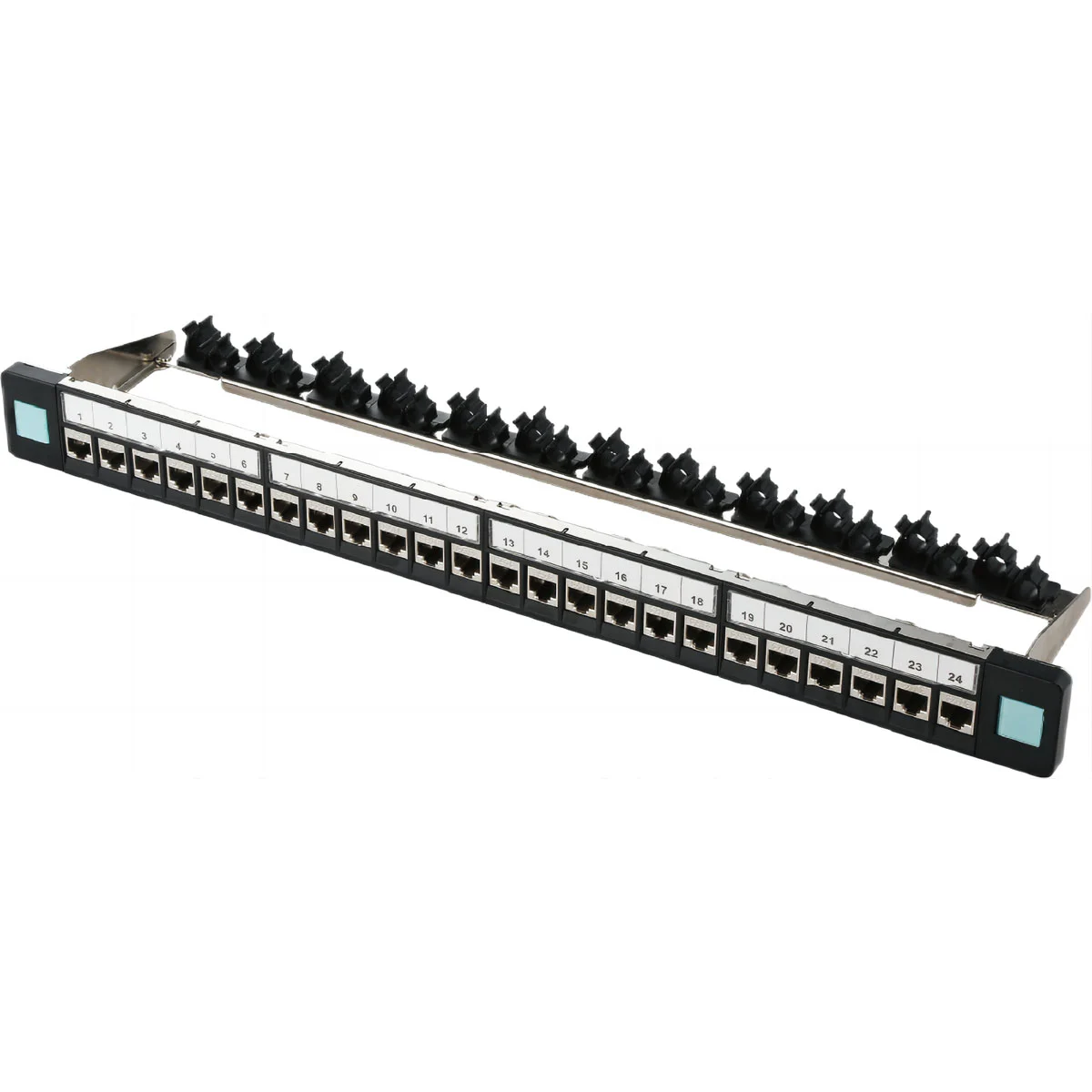
A patch panel provides an organized termination point for horizontal cables inside racks or cabinets. It improves cable management, simplifies troubleshooting, and allows network administrators to make changes without replacing permanent cabling.
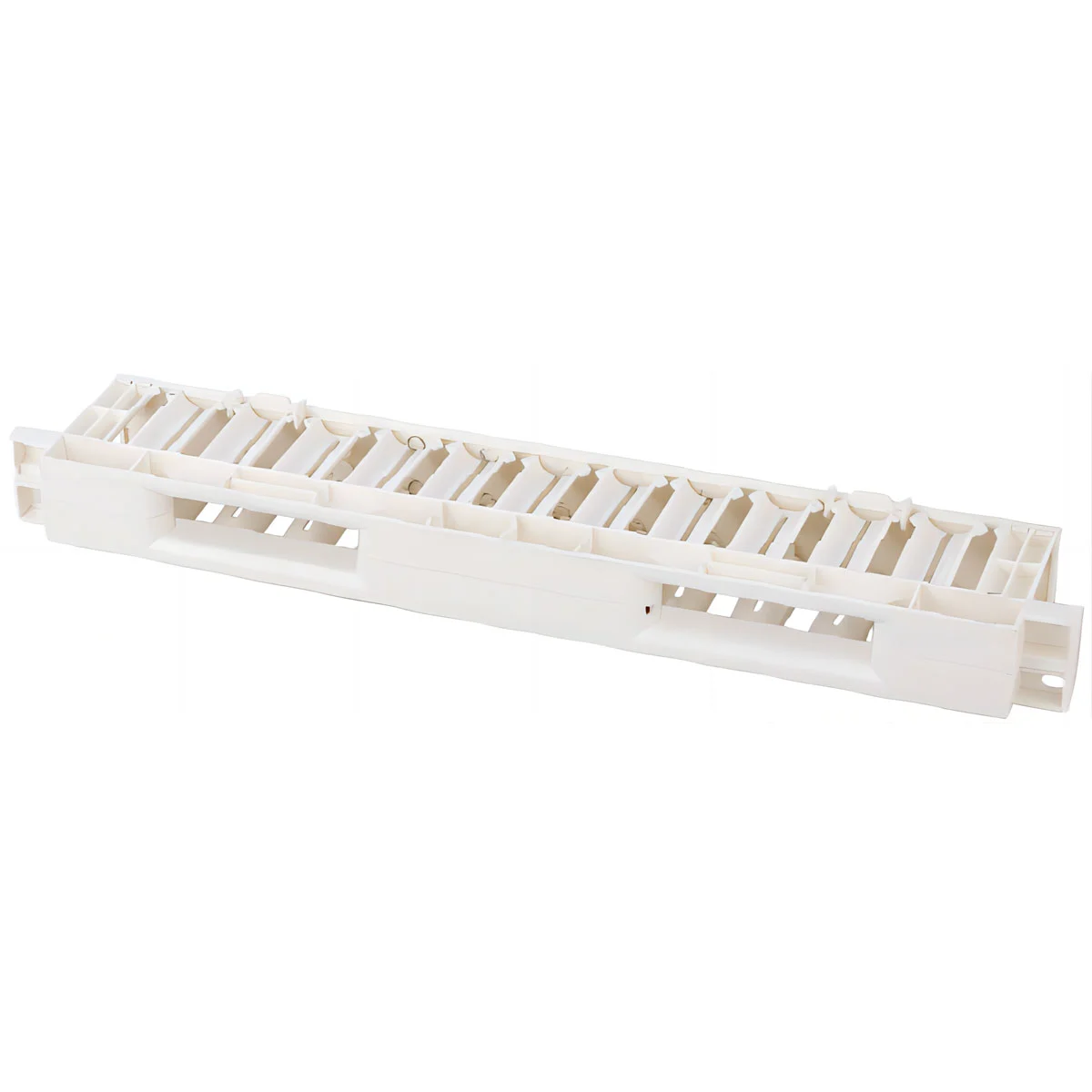
Professional installations often combine patch panels with cable managers and rack systems to maintain clean layouts and improve maintenance efficiency.
3. Keystone Jack
A fiber keystone jack connects horizontal cabling to user-facing outlets. These modular connectors are available for different categories, including Cat6 and Cat6A, allowing installers to create flexible outlet solutions.
High-quality jacks provide stable connections, better durability, and compatibility with various faceplates and patch panels.
4. Patch Cord
Patch cords are short cables used to connect patch panels, switches, and end devices. For buyers searching for what is patch cord in networking, a patch cord is a flexible cable designed for temporary or semi-permanent connections within a structured cabling system. They are frequently replaced or adjusted during network changes, so durability, connector quality, and consistent performance are important factors for B2B projects.
Component | Main Function | Common Applications | Key Buying Considerations |
Network Cable | Transfers data signals through permanent links | Offices, data centers, commercial buildings | Category rating, shielding, bandwidth, length |
Patch Panel | Organizes cable termination points | Server rooms, telecom rooms | Port density, rack compatibility, labeling |
Keystone Jack | Provides modular network outlets | Workstations and wall outlets | Category support, compatibility, reliability |
Patch Cord | Connects active devices and panels | Racks, cabinets, user connections | Connector quality, length, flexibility |
When purchasing structured cabling components, buyers should evaluate the complete network design instead of selecting individual products separately. Following a professional structured cabling design guide helps system integrators plan cable routes, component compatibility, and future network expansion requirements.
Recommended purchasing checklist:
- Confirm the required cable category based on network speed requirements.
- Ensure patch panels, jacks, and patch cords have matching performance ratings.
- Check compliance with relevant industry standards.
- Consider installation environment, including temperature, space, and cable routing conditions.
- Select suppliers with OEM capability and consistent production quality.
- Request samples or technical specifications before large-volume purchasing.
For businesses sourcing complete solutions, working with an experienced manufacturer can reduce compatibility risks and improve project efficiency. HEDOT provides structured cabling products designed for commercial networking and infrastructure projects.
A successful structured cabling system requires compatibility between every component. Using mismatched products may reduce performance and create problems during certification testing.
For example, combining high-performance cables with low-quality connectors can affect overall channel performance. Professional installers usually design the entire cabling channel, including cable, patch panel, jack, and patch cord selection.
HEDOT supports customers with structured cabling components for different project requirements, including enterprise networks, data rooms, and customized OEM solutions. Buyers can explore related solutions such as structured cabling components, patch panels, network cabling products, and wall plate cable management solutions to create complete infrastructure packages.
The main structured cabling system components include network cables, patch panels, keystone jacks, and patch cords. These components work together to create an organized and scalable network infrastructure.
Patch panels improve cable organization, simplify troubleshooting, and provide flexible connections between permanent cabling and network equipment.
Yes. For optimal performance, cables, jacks, patch panels, and patch cords should generally match the required category rating, such as Cat6 or Cat6A.
Data rooms typically use rack-mounted patch panels, high-density cabling solutions, patch cords, cable managers, and network accessories to maintain organized connections.
B2B buyers should evaluate product quality, manufacturing capability, certification support, customization options, and after-sales service before selecting a supplier.
Yes. Many professional manufacturers provide OEM services including customized specifications, labeling, packaging, and product configurations for large-scale projects.
Choosing the right structured cabling system components is essential for creating reliable, scalable, and easy-to-maintain network infrastructure. Cable, patch panel, jack, and patch cord selection should be based on performance requirements, compatibility, and long-term project goals.
For enterprise buyers, distributors, and system integrators looking for dependable structured cabling solutions, HEDOT provides professional manufacturing support, product specifications, and OEM services. Contact us today to request specifications, bulk quotation, or OEM support for your next structured cabling project.
 Call us on:
  Email Us:
  No.10 Xumutang Road, Lishui Economic Development Zone, Nanjing, China
 EN
EN
 fr
fr  de
de  es
es  ru
ru  pt
pt  ar
ar  vi
vi  th
th  id
id