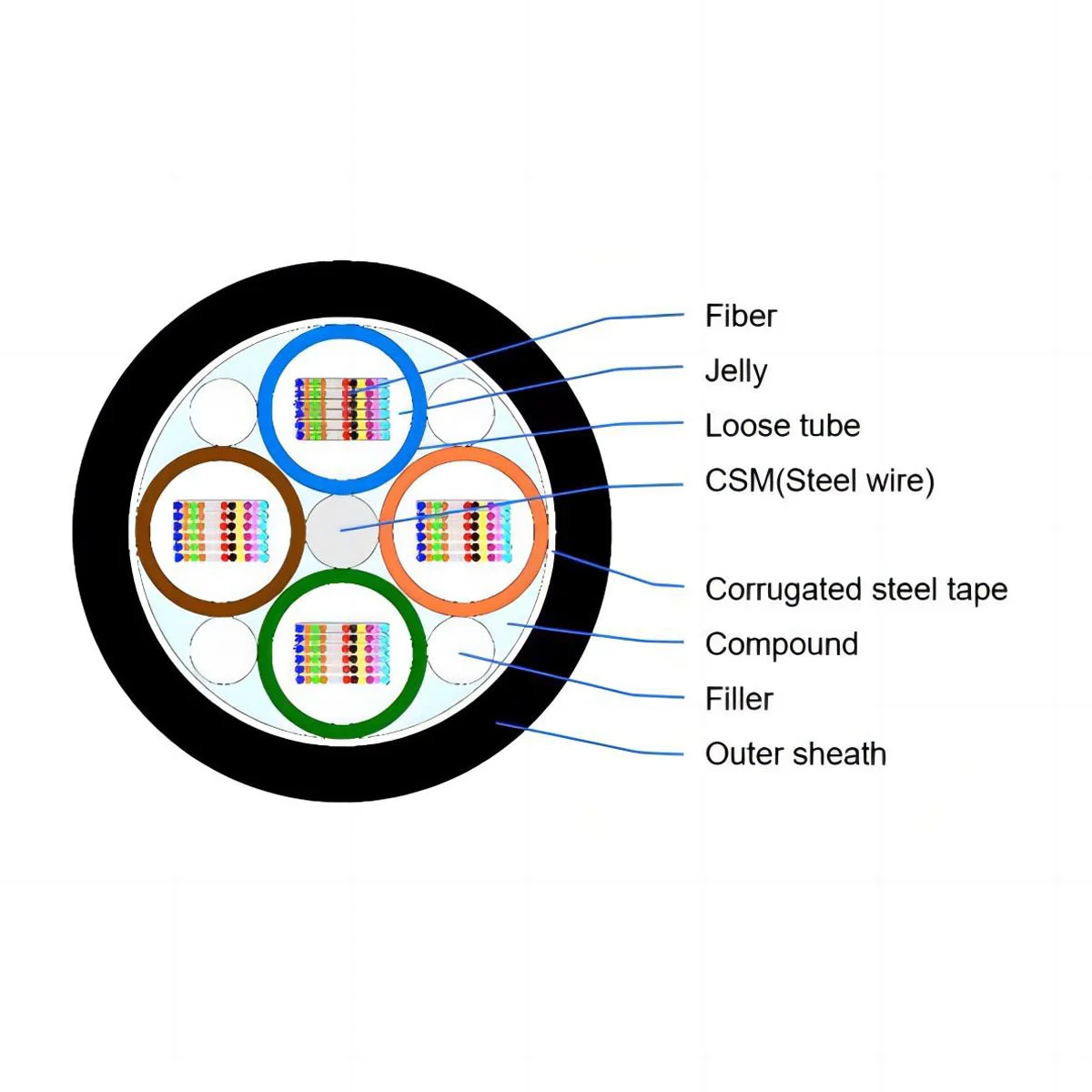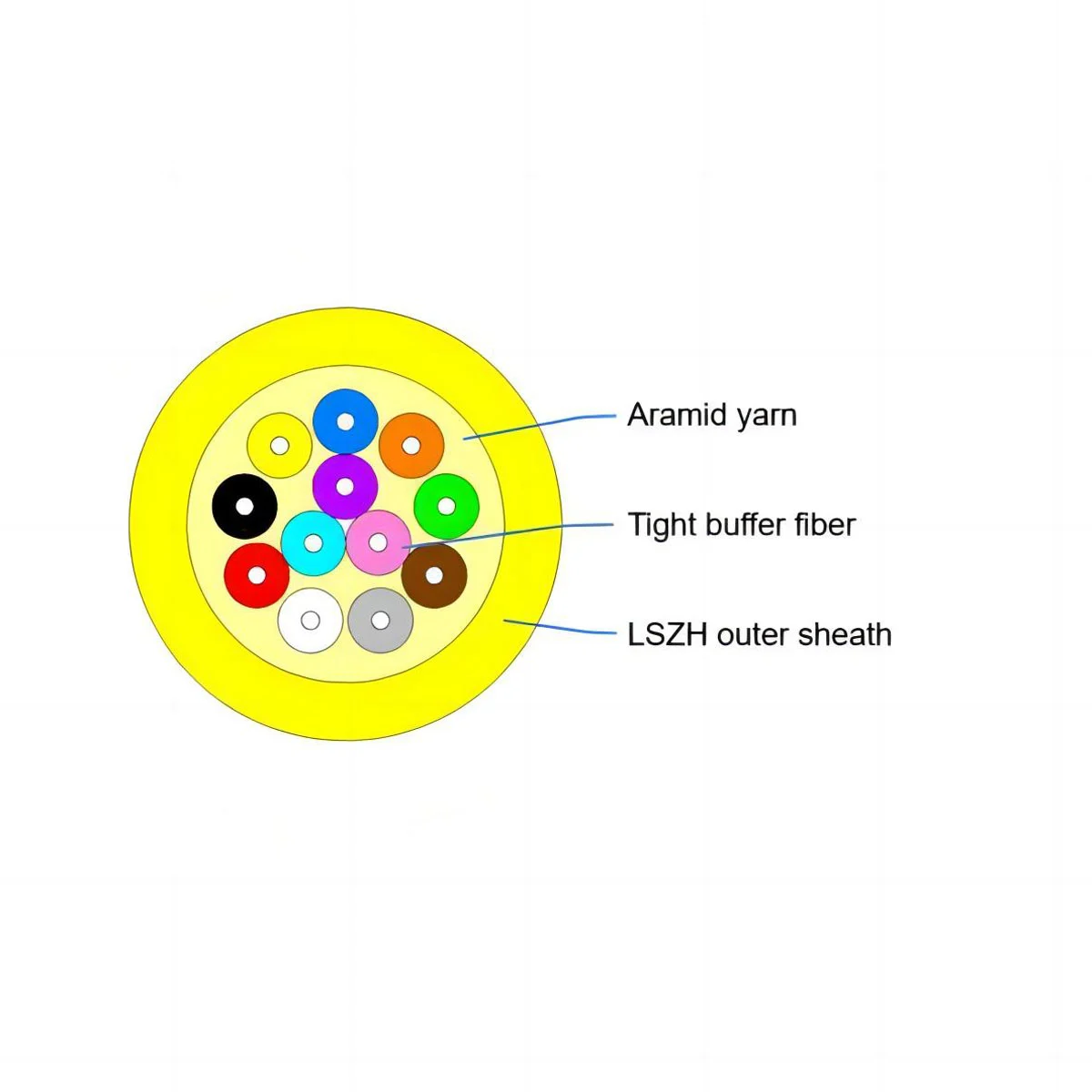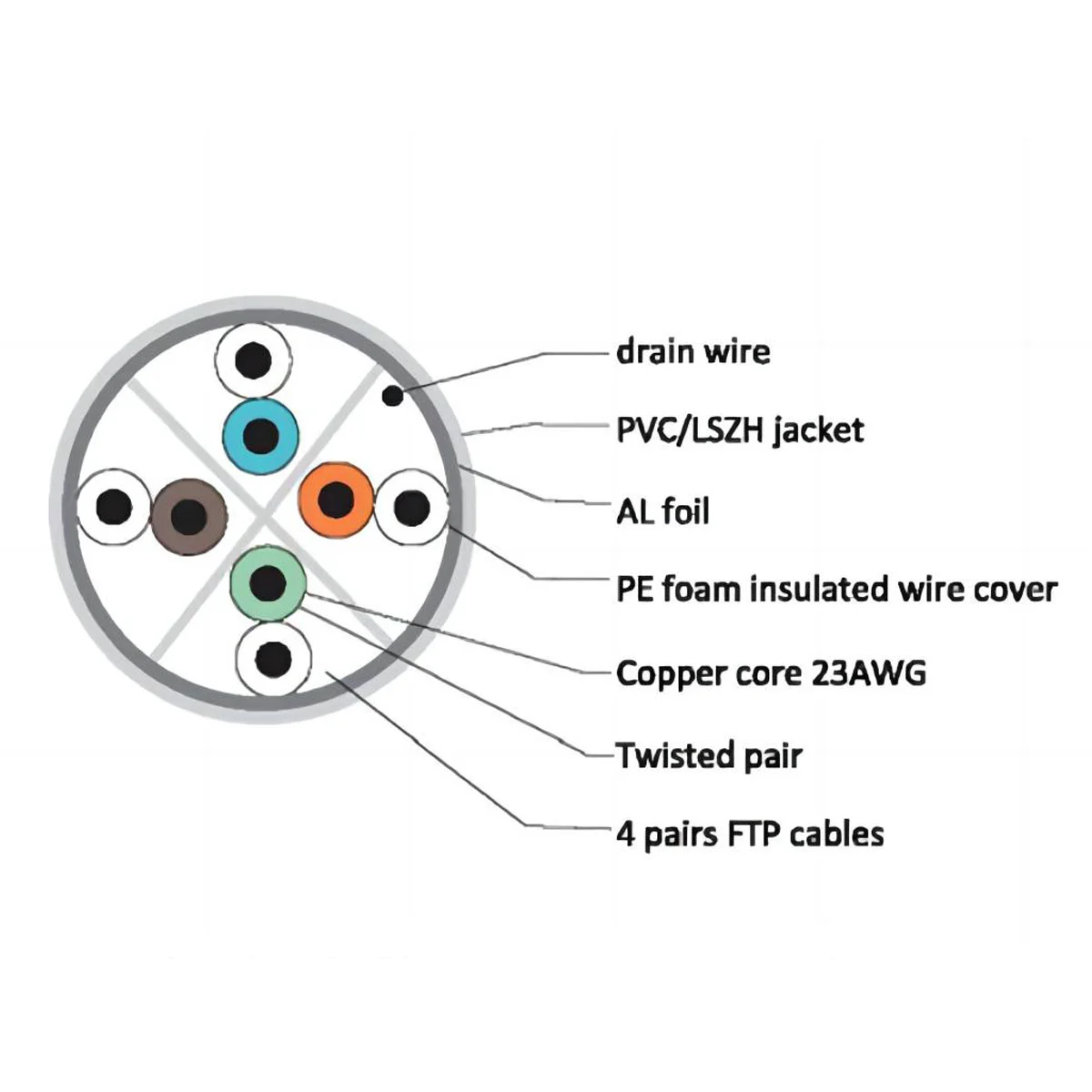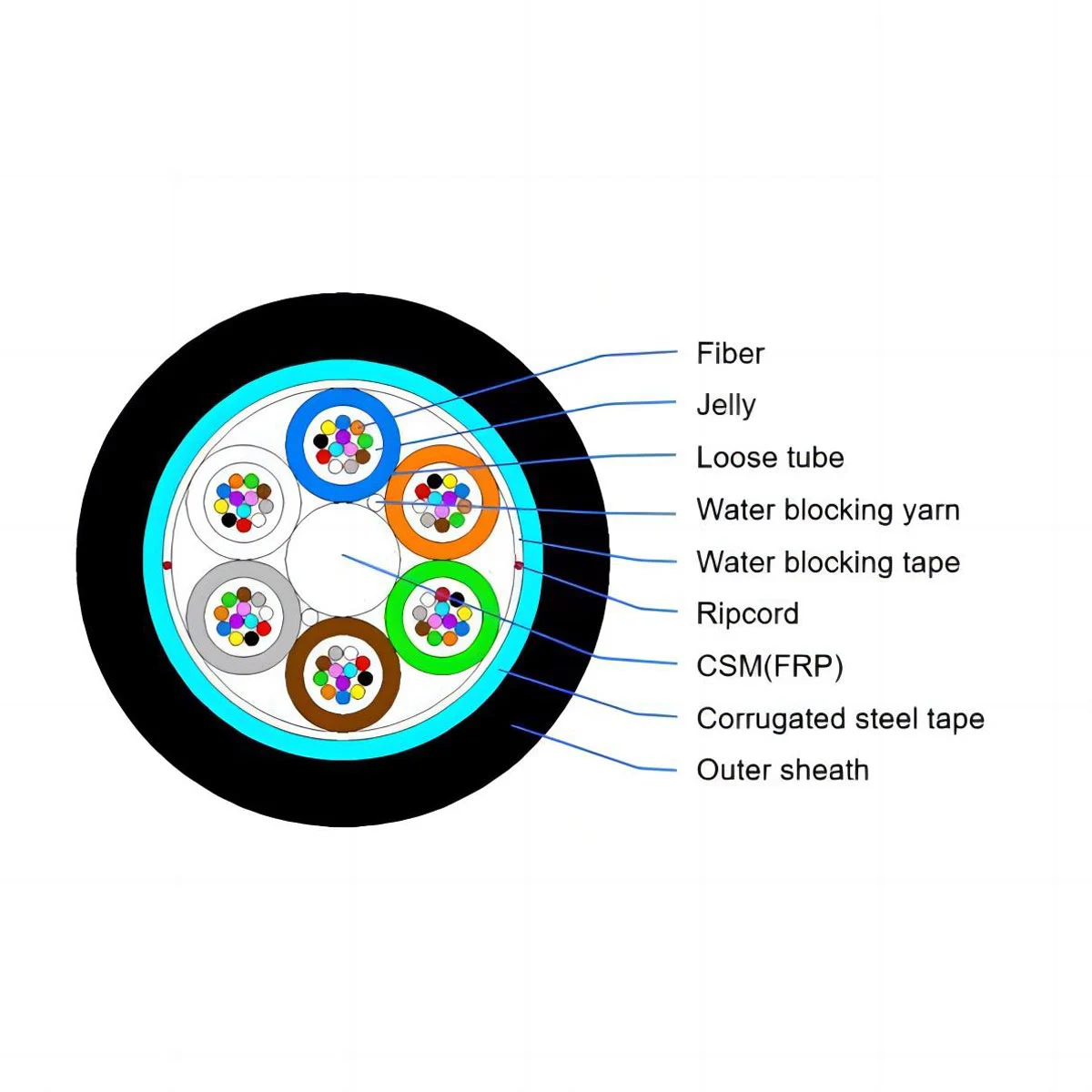
An inner sheath in cable is the protective bedding layer placed between the insulated cores and the outer sheath or armor. In fiber optic and communication cables, it helps maintain cable roundness, protects internal cores from pressure and friction, improves moisture resistance, and supports stable transmission performance during installation and long-term operation.
For outdoor cables, duct cables, direct-buried cables and structured cabling projects, the inner sheath of cable is not only a protective layer. It is also an important design factor that affects mechanical strength, installation reliability, material selection and service life.
| Standard / Property | IEC 60502-1 Requirement | UL 1581 Specification | Impact on Transmission Efficiency |
| Minimum Thickness | $t_i ≥1.0mm (based on core diameter) | Expressed in mils (varies by AWG) | Prevents armor from crushing cores, reducing structural return loss (SRL). |
| Tensile Strength | ≥ 12.5MPa for PVC / ≥10.0MPa for PE | Specified by material classification | Maintains structural geometry during high-tension cable pulling. |
| Elongation at Break | ≥ 150% min | ≥100% to≥ 150% | Absorbs thermal expansion cycles without cracking or stress concentration. |
| Spark Test Voltage | AC 3kV to 6kV continuous | High-voltage spark testing mandatory | Guarantees zero void/pinhole defects before outer armoring. |
The material used for the inner sheath in cable design significantly impacts its durability and application range.Common materials include polyvinyl chloride (PVC), polyethylene (PE), and low-smoke zero halogen (LSZH) compounds, each offering unique benefits. These material technologies are widely applied in modern structured cabling systems, and can be further explored in advanced product lines which integrates optimized sheath structures for high-performance communication networks. PE sheaths provide enhanced resistance to moisture and chemicals, which is ideal for industrial or outdoor environments such as fiber optic cable for outdoor use. LSZH materials, often used in sensitive installations, minimize toxic emissions during fire incidents. Hedot utilizes advanced material science to optimize these properties, ensuring cables deliver superior protection and performance across multiple sectors.
The choice of inner sheath material depends on the operational requirements of the cable. Different environments demand varying balances of flexibility, resistance, and safety.
Property | PVC Inner Sheath | PE Inner Sheath | LSZH Inner Sheath |
Flexibility | High, easy to handle | Moderate, less flexible | Good, balanced |
Moisture Resistance | Moderate | Excellent | Good |
Fire Safety | Standard | Limited | Excellent, low smoke emission |
Cost | Cost-effective | Slightly higher | Higher due to safety standards |
Ideal Use | Indoor, general wiring | Outdoor, industrial | Public spaces, sensitive areas |
This comparison highlights how the inner sheath in cable selection influences overall cable performance. Hedot integrates tailored sheath materials to address the specific needs of communication networks, balancing mechanical durability, safety, and cost-effectiveness.
The inner sheath in cable is crucial in both power transmission and communication systems. In fiber optic cables, the sheath protects delicate fibers from crushing forces and environmental hazards. In power cables, it ensures the insulation system remains intact under electrical and thermal stress. Applications range from aerial installations to underground ducts, where resistance to water, heat, and chemicals is essential. These scenarios are commonly addressed in modern structured networking systems, especially within comprehensive communications cables solutions, which cover backbone transmission, data distribution, and multi-environment deployment requirements. Hedot designs inner sheath structures that support stable connectivity in telecommunications, data centers, energy networks, and infrastructure projects, ensuring reliability in demanding environments.
For outdoor and direct-buried fiber optic projects, the inner sheath is especially important because the cable may face moisture, soil pressure, pulling tension and long-term environmental stress. A typical example is GYFTA53 inner sheath cable, which uses an inner sheath structure to help protect the cable core before additional outer protection is applied. This type of design is suitable for applications where water-blocking performance, crush resistance and long-term transmission stability are required.
As technology advances, the inner sheath of cable has evolved from a simple protective layer to a highly engineered component. Modern sheath designs incorporate flame-retardant additives, anti-rodent treatments, and enhanced thermal stability. These innovations extend the service life of cables while reducing maintenance costs. Manufacturers like Hedot focus on precision extrusion and stringent testing to ensure every sheath layer performs consistently under stress. With continuous development, the inner sheath is now a critical factor in determining the resilience and safety of modern cable systems.
When buyers or engineers search for inner sheath in cable, they often also see terms such as outer sheath, cable jacket, bedding layer and protective layer. These terms are related, but they do not always refer to the same part of a cable structure.
In simple terms, the inner sheath of cable is usually located inside the cable, between the insulated cores and the outer sheath or armor. Its main role is to keep the cable structure stable, protect the internal cores, and provide a smooth bedding layer before additional protection is applied.
Layer | Position in Cable | Main Function | Common Materials |
Inner Sheath | Between insulated cores and outer sheath or armor | Bedding, core protection, roundness control and structural stability | PVC, PE, LSZH |
Outer Sheath | Outermost protective layer of the cable | UV resistance, abrasion resistance, moisture protection and chemical protection | PE, PVC, LSZH |
Cable Jacket | Often used as a general term for the external cable covering | External protection, handling safety, flame resistance and installation durability | PVC, PE, LSZH |
Choosing the right inner sheath material depends on the cable application, installation environment, fire safety requirements and expected service life. For communication cables and fiber optic cables, the inner sheath is not only a protective layer. It also helps maintain cable roundness, reduce mechanical stress on the internal cores, and improve installation reliability.
Application Scenario | Recommended Inner Sheath Material | Why It Is Suitable |
Indoor communication cable (/products/indoor-cables/) | PVC or LSZH | PVC offers flexibility and cost efficiency, while LSZH is preferred when low-smoke and flame-retardant performance is required. |
Outdoor fiber optic cable (/products/outdoor-cables/) | PE | PE provides better moisture resistance, environmental protection and long-term durability for outdoor installation. |
Public building or low-smoke requirement | LSZH | LSZH materials reduce smoke and halogen emissions, making them suitable for office buildings, data centers, schools and public facilities. |
Direct-buried or duct cable | PE with water-blocking structure | This structure helps improve moisture resistance, pressure resistance and long-term reliability in underground or duct environments. |
Armored cable | Inner sheath as bedding layer before armor | The inner sheath separates the cable core from the armor layer, reducing friction, compression and structural damage during installation. |
If the inner sheath cable has inconsistent thickness or voids, the external armor will exert uneven pressure on the inner core. In fiber networks, this leads to microbending losses, which degrade signal transmission speed. To prevent this, our high-count outdoor fiber optic cable designs use pressurized dual-pass extrusion to guarantee a perfectly uniform, void-free internal bedding layer.
While some light-duty cables use a wrapped plastic tape as a separation bed, high-performance industrial and telecom cables always require an extruded internal sheath. Extrusion fills all the interstitial air gaps between core wires, providing far superior roundness, structural stabilization, and water-blocking capabilities compared to a basic tape wrap.
We regularly publish in-depth engineering guides, material science updates, and compliance briefs for global industrial procurement. For the latest research and engineering case studies, please check out the technical resources available on our Hedot cable technology blog, where we break down complex cable design challenges.
The inner sheath of cable is a protective bedding layer between the insulated cores and the outer sheath or armor. It helps protect internal conductors or fiber cores, keeps the cable structure stable, and reduces damage caused by pressure, friction and moisture.
The inner sheath protects the internal cable structure, while the outer sheath protects the entire cable from external conditions such as UV exposure, abrasion, chemicals and moisture. In outdoor fiber optic cables, both layers can work together to improve long-term reliability.
PVC, PE and LSZH are commonly used for cable inner sheath design. PVC is flexible and cost-effective, PE provides better moisture resistance for outdoor use, and LSZH is preferred for indoor or public installations where low smoke and halogen-free performance are required.
Why does cable inner sheath design matter in fiber optic cables?
In fiber optic cables, a stable inner sheath helps reduce mechanical stress on fiber cores, maintain cable roundness, and protect the internal structure during pulling, bending and installation. This supports more stable signal transmission over the cable service life.
Not all cables require an inner sheath. Simple indoor patch cords may use a lighter jacket structure, while outdoor, armored, duct, direct-buried and multi-core communication cables often need an inner sheath for additional bedding, protection and structural stability.
Buyers should consider the installation environment, moisture exposure, fire safety requirements, pulling tension, cable structure and application type. For outdoor or direct-buried projects, PE-based sheath structures and water-blocking designs are often preferred. For indoor structured cabling, LSZH or PVC options may be more suitable.
 Call us on:
  Email Us:
  No.10 Xumutang Road, Lishui Economic Development Zone, Nanjing, China
 EN
EN
 fr
fr  de
de  es
es  ru
ru  pt
pt  ar
ar  vi
vi  th
th  id
id