
 EN
EN
 fr
fr  de
de  es
es  ru
ru  pt
pt  ar
ar  vi
vi  th
th  id
id 
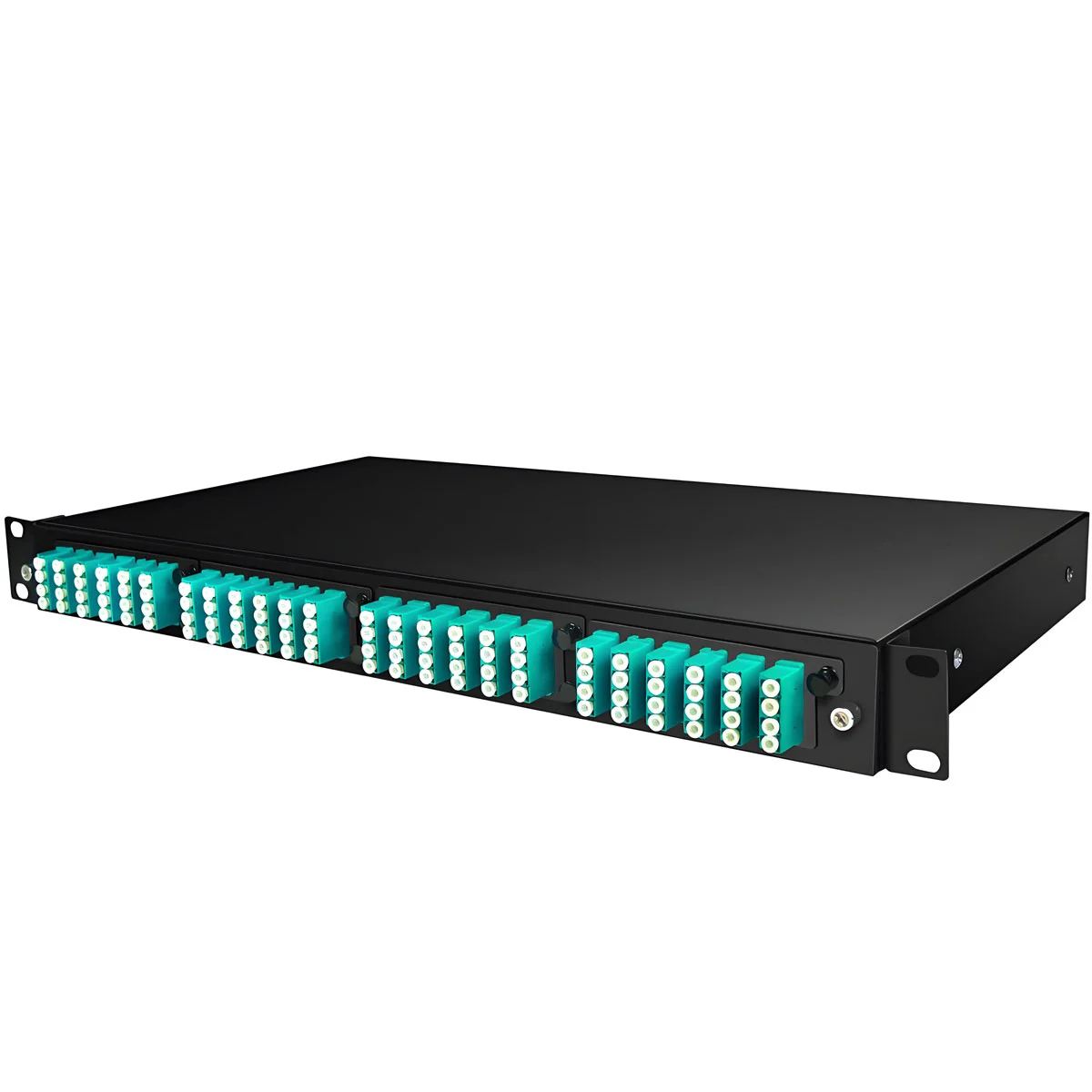
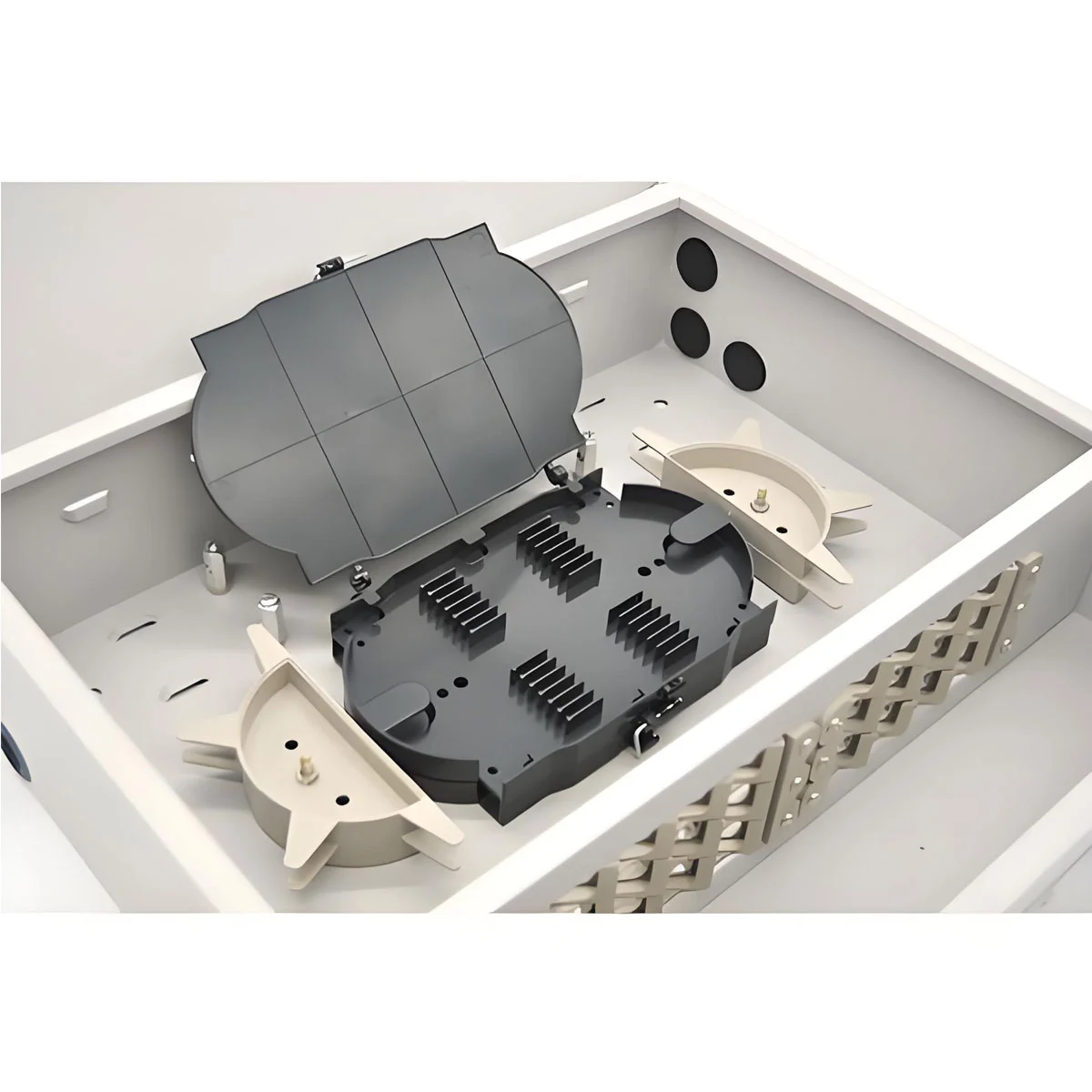
A fiber optic (FO) patch panel organizes and terminates fiber cables, facilitating efficient connectivity.


Premium Fiber Optic Patch Panel Manufacturer & Supplier
A fiber optic patch panel (also known as an optical patch panel) is a crucial backbone component in modern telecommunications and structured cabling infrastructure. It is precision-engineered to facilitate the centralized organization, termination, and management of fiber optic distribution runs. By providing seamless interconnections between high-core-count optical strands, our patch panels ensure optimal signal transmission with ultra-low insertion loss.
As a leading china fiber patch panel factory, Hedot utilizes exceptional manufacturing craftsmanship to deliver scalable, reliable solutions. Whether upgrading an enterprise network closet or designing a multi-tier server farm, our portfolio provides maximum resilience for heavy data loads.
1.Centralized Management:
1) Provides a single point for managing multiple fiber optic connections.
2)Simplifies the process of adding, removing, or changing connections.
2. Organization:
1) Keeps fiber optic cables neatly organized, reducing clutter and improving airflow in network environments.
2)Helps in identifying and tracing cables easily, which is essential for troubleshooting and maintenance.
3. Protection:
1)Protects fiber optic connectors and cables from physical damage and environmental factors.
2) Reduces the risk of signal loss and degradation by maintaining proper bend radius and securing connections.
4. Scalability:
1) Available in various sizes and configurations to accommodate different numbers of fiber connections.
2) Modular design allows for easy expansion as network requirements grow.
1.Data Centers: Used to manage and organize fiber optic connections between servers, storage systems, and network devices.
2.Telecommunications Rooms and Closets: Serve as a central point for fiber optic connections within telecommunications rooms and closets in commercial buildings.
3.Enterprise Networks: Used in corporate environments to manage fiber optic connections between different floors, departments, or buildings.
4.Fiber-to-the-Home (FTTH) and Fiber-to-the-Building (FTTB): Used to manage fiber optic connections in residential and commercial buildings, connecting individual units to the main fiber optic network.
| Feature Parameter | Engineering Specifications & Industrial Standards |
| Material Composition | Premium Cold Rolled Steel (SPCC) with an electro-static powder-coated finish for ultimate corrosion resistance. |
| Adapter Compatibility | Supports LC Duplex, SC Simplex/Duplex, ST, and FC adapters via interchangeable front plates. |
| Density Options | Ultra high density patch panel layout ranging from 12, 24, 48, 96, up to 144 ports within compact chassis spaces. |
| Structural Design | Sliding-out drawer mechanisms or fixed trays integrated with radius-limiting routing rings. |
| Internal Management | Built-in splice trays and optical fiber spool organizers ensuring a minimum 30mm bend radius. |
| Compliance Standards | RoHS directive compliant, meeting ISO/IEC 11801 and ANSI/TIA-568.3-D technical mandates. |
In high-density network architectures, an optical patch panel is not just a termination box—it is the core routing interface that guarantees structural flexibility and signal integrity. HEDOT’s premium fiber patching solutions are engineered to excel across diverse, demanding commercial and industrial environments:
1. Next-Gen Enterprise Data Centers
In modern cloud computing and high-density server farms, our chassis functions as a critical data center modular fiber patch panel solution. It streamlines high-speed, multi-gigabit fiber cross-connects between core enterprise switches, SAN (Storage Area Network) storage arrays, and high-performance server blades.
By utilizing space-saving modular cassettes, infrastructure managers can scale bandwidth seamlessly from 10G to 40G/100G networks while maintaining an organized, high-airflow rack environment that complies fully with modern structured cabling design principles.
2. Commercial Telecommunications Rooms & MDUs
Within multi-story corporate headquarters and commercial buildings, the fiber patch panel serves as the central administrative interface. It efficiently interconnects heavy vertical backbone fiber runs (coming from the main equipment room) with localized horizontal distribution branches.
This centralized setup allows IT administrators to bridge optical backbones with horizontal copper networks—such as shielding-critical CAT6 FTP Patch Cords—ensuring continuous ground continuity and flawless data distribution to individual work area outlets.
3. FTTH & FTTB Telecom Infrastructures
For local Internet Service Providers (ISPs) and telecom carriers, HEDOT fiber patch panels deliver rugged reliability at the network edge. They enable technicians to cleanly terminate incoming high-core-count outdoor distribution cables, splicing them safely into localized splitters.
This robust fiber organization is essential for implementing reliable Fiber-to-the-Home (FTTH) and Fiber-to-the-Building (FTTB) networks, connecting individual residential subscribers and corporate offices directly to the main fiber ring network. Proper deployment here plays a vital role in what is structured cabling and its importance for smart city developments.
A fiber optic (FO) patch panel organizes and terminates fiber cables, facilitating efficient connectivity.
Hedot is a certified oem fiber patch panel factory combining advanced structural engineering with flexible customized capabilities. We offer direct-from-factory pricing on custom color finishes, brand labeling, custom plate layouts (LC/SC/ST/FC), and specialized high-density internal splice trays. Every unit undergoes strict quality assurance to seamlessly integrate into comprehensive it structured cabling environments.
Installation requires minimal tools; follow HEDOT's comprehensive guidelines for seamless integration.
Enhanced signal clarity, reduced latency, and simplified maintenance make HEDOT patch panels indispensable.


 Call us on:
  Email Us:
  No.10 Xumutang Road, Lishui Economic Development Zone, Nanjing, China